QUICK EXIT

  1. Home
  2. /
  3. Programs
  4. /
  5. Research
  6. /
  7. Critical Intersections

Critical Intersections

Overview 

In 2021, Sahiyo hosted the “Critical Intersections: Anti-Racism and Female Genital Cutting (FGC) webinar, which led to a multi-part research initiative exploring how FGM/C intersects with other social oppressions and social movements. 

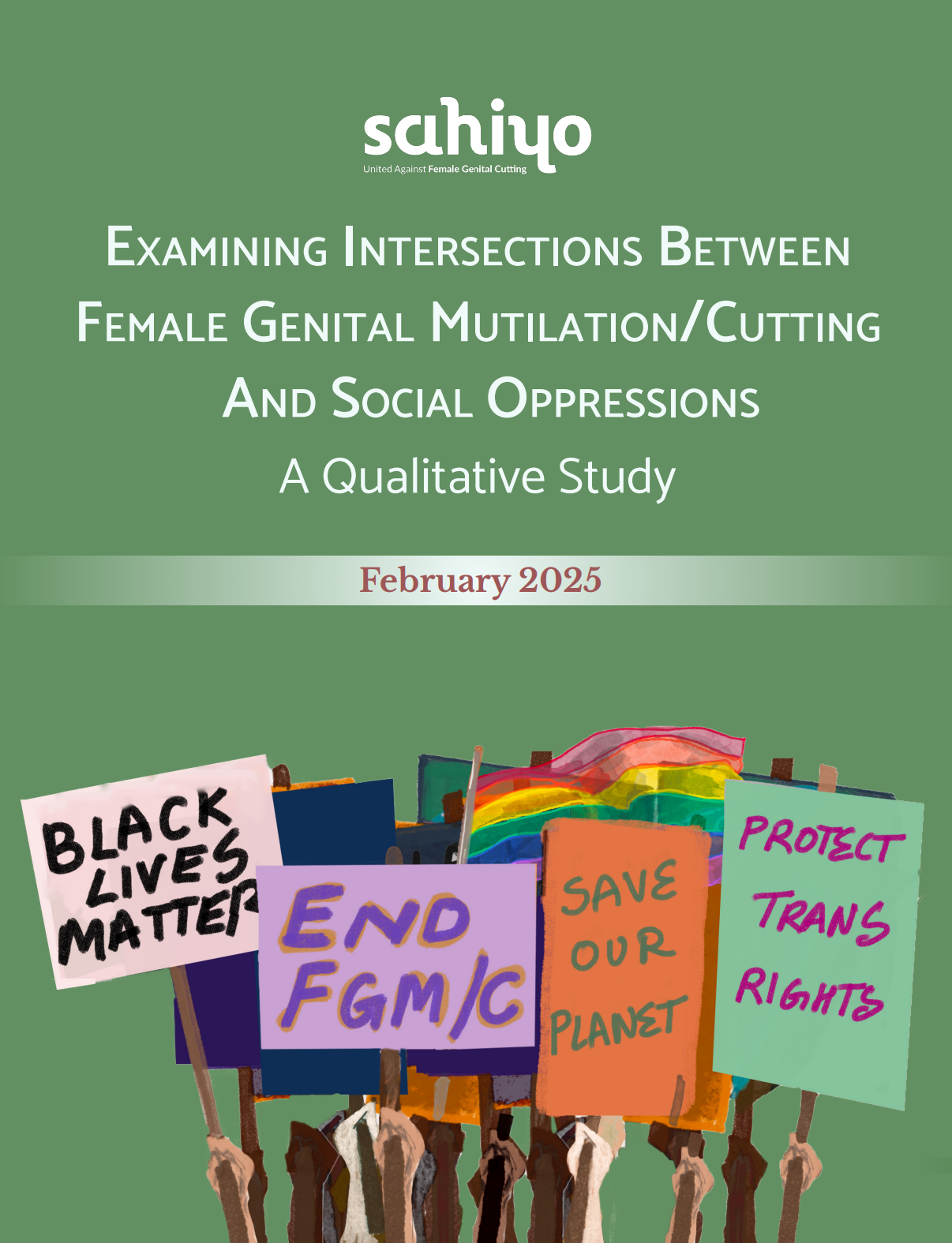
The Critical Intersections Research Project resulted in a three-part series of reports examining how overlapping systems of oppression shape survivors’ experiences, influence prevention efforts, and impact progress toward ending FGM/C globally. The project also explored connections between the anti-FGM/C movement and broader movements focused on bodily autonomy, racial justice, and gender equity.

To carry out this research, Sahiyo:

  • Conducted a comprehensive scoping review of academic literature, media, and digital discourse
  • Surveyed more than 100 experts, advocates, and organizations working in FGM/C and related fields
  • Conducted 29 in-depth interviews with leaders and practitioners across disciplines


The research centered on seven core areas of intersection: religion; race and racism; feminism; law and policy; bodily autonomy; queer gender and sexuality; and climate change. 

These themes guided both the analysis and the recommendations presented across the three reports:

Key Findings

The research revealed that the anti-FGM/C movement often operates in silos, limiting opportunities for cross-sector collaboration and broader social change.

Several systemic barriers continue to affect survivors and prevention efforts:

  • FGM/C is frequently racialized as an “African issue,” marginalizing non-African survivors and reinforcing harmful stereotypes
  • Racism, xenophobia, and Islamophobia impact access to culturally competent care and support
  • Legal approaches alone are insufficient and may, in some contexts, push the practice underground
  • LGBTQIA+ and genderqueer individuals face compounded marginalization and limited institutional support
  • Religious and patriarchal structures continue to shape narratives around women’s bodies and sexuality


At the same time, participants identified key opportunities:

  • Collaborative community programming
  • Cross-movement partnerships
  • Shared public education campaigns
  • Greater inclusion of historically excluded voices


Trainings Available:

  • Introduction to Intersections with FGM/C– Exploring the overarching themes derived from our initial review on the state of intersectionality in regards to FGM/C: race/racism, religion, bodily autonomy, feminism, law and policy, Queer gender and sexuality, and climate change.
  • Examining Specific Intersections– How oppressive systems, such as racism, impact FGM/C survivors and advocates working to end FGM/C. This presentation includes examples derived from participants working in FGM/C and other related fields collected from throughout the research project. Recommendations are also discussed for how to build intersectional approaches to address FGM/C.