QUICK EXIT

  1. Home
  2. /
  3. Resources
  4. /
  5. Sahiyo Resources

Sahiyo Resources

brochures

Sahiyo Brochure

Learn about Sahiyo's work

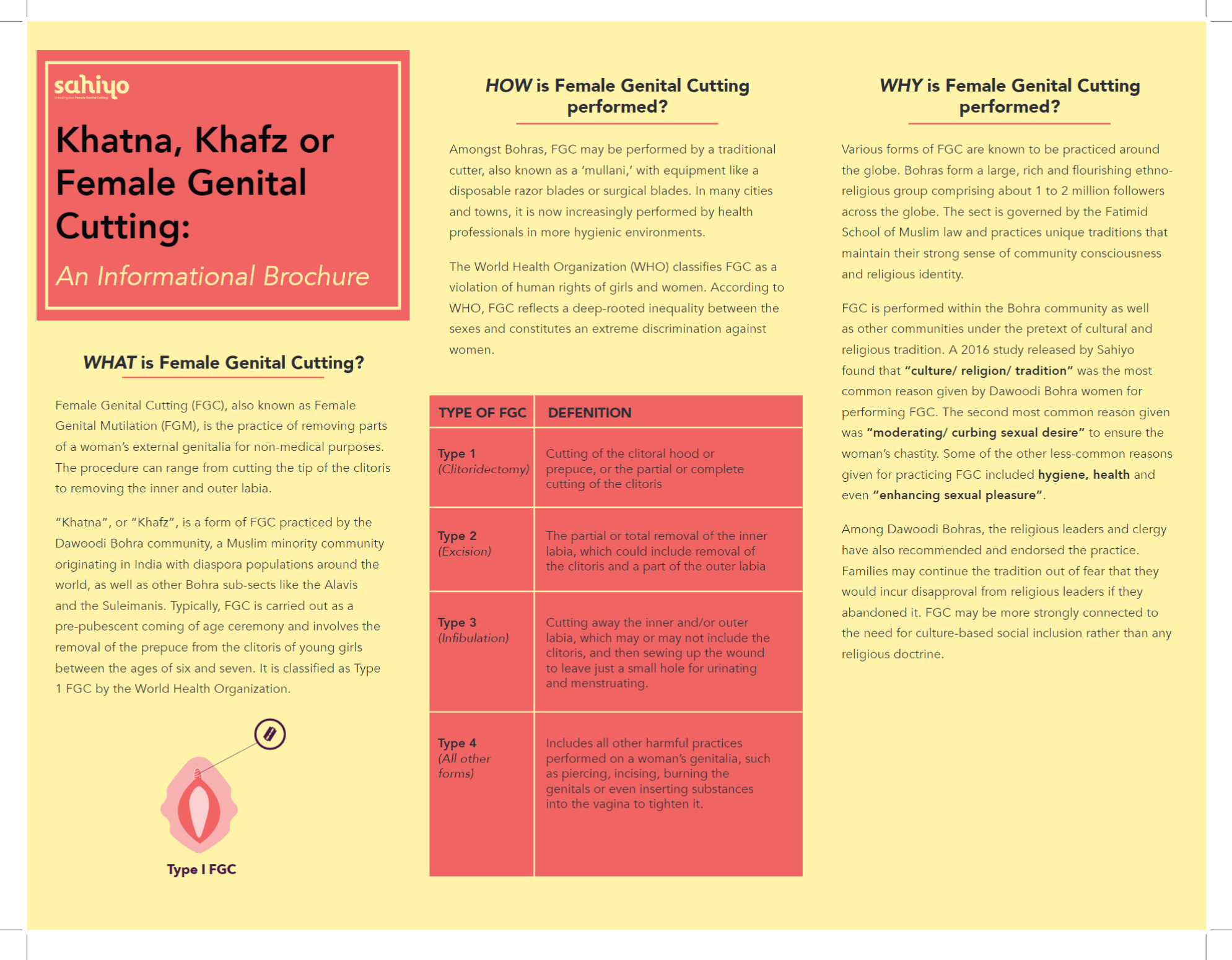
FGC Information Brochure

FAQs around Female Genital Cutting or khatna amongst Bohras

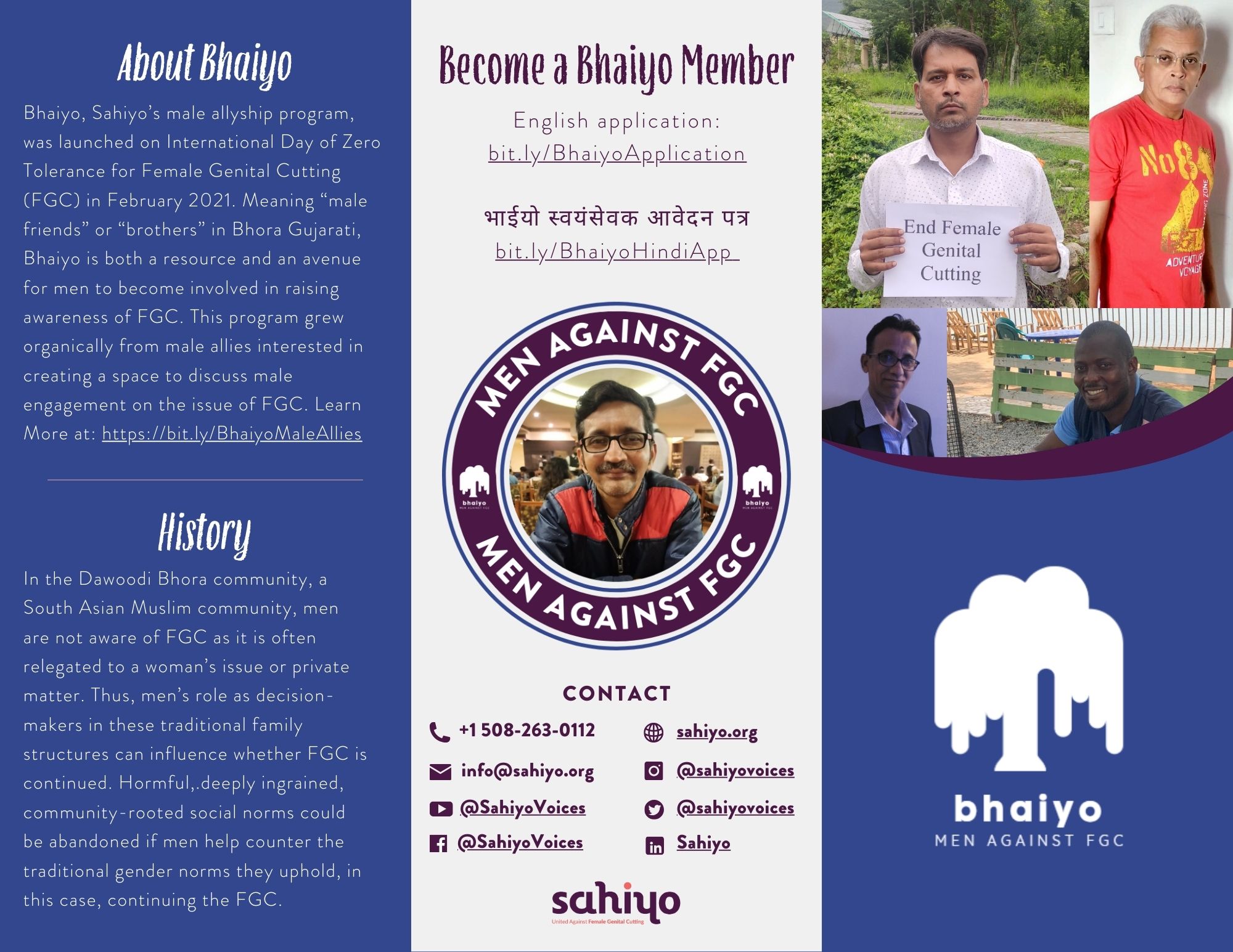
Bhaiyo Brochure

Learn about Bhaiyo, our male allyship program

RESEARCH

Using Storytelling to Build Capacity for Cultural and Community-Based Organizations to Support Survivors of FGM/C

This case study reviews a three-year collaboration focused on using culturally grounded, trauma-informed methods to support FGM/C survivors and building the capacity of GBV organizations to provide trauma-informed support. By integrating storytelling, community outreach, and professional training, the project broadened its impact nationwide, fostering a network of informed practitioners and offering a model for culturally sensitive survivor support.

Examining the Current State of Critical Intersections: Female Genital Mutilation/Cutting and Social Oppressions

Identifying current understandings of critical factors intersecting with FGM/C is helpful to outline the gaps in our knowledge and understand how they impact the work being done to end FGM/C globally. This body of work, which is the first initiative of the Critical Intersections Research Project, established an important foundation for further exploration of the topic.

Examining Intersections Between Female Genital Mutilation/Cutting And Social Oppressions: A Mixed Methods Study

The second report in the Critical Intersections Research Project; focuses on the results of a mixed-methods survey distributed to over 100 participants. Research findings reinforce themes from our initial report and add new intersections to the conversation.

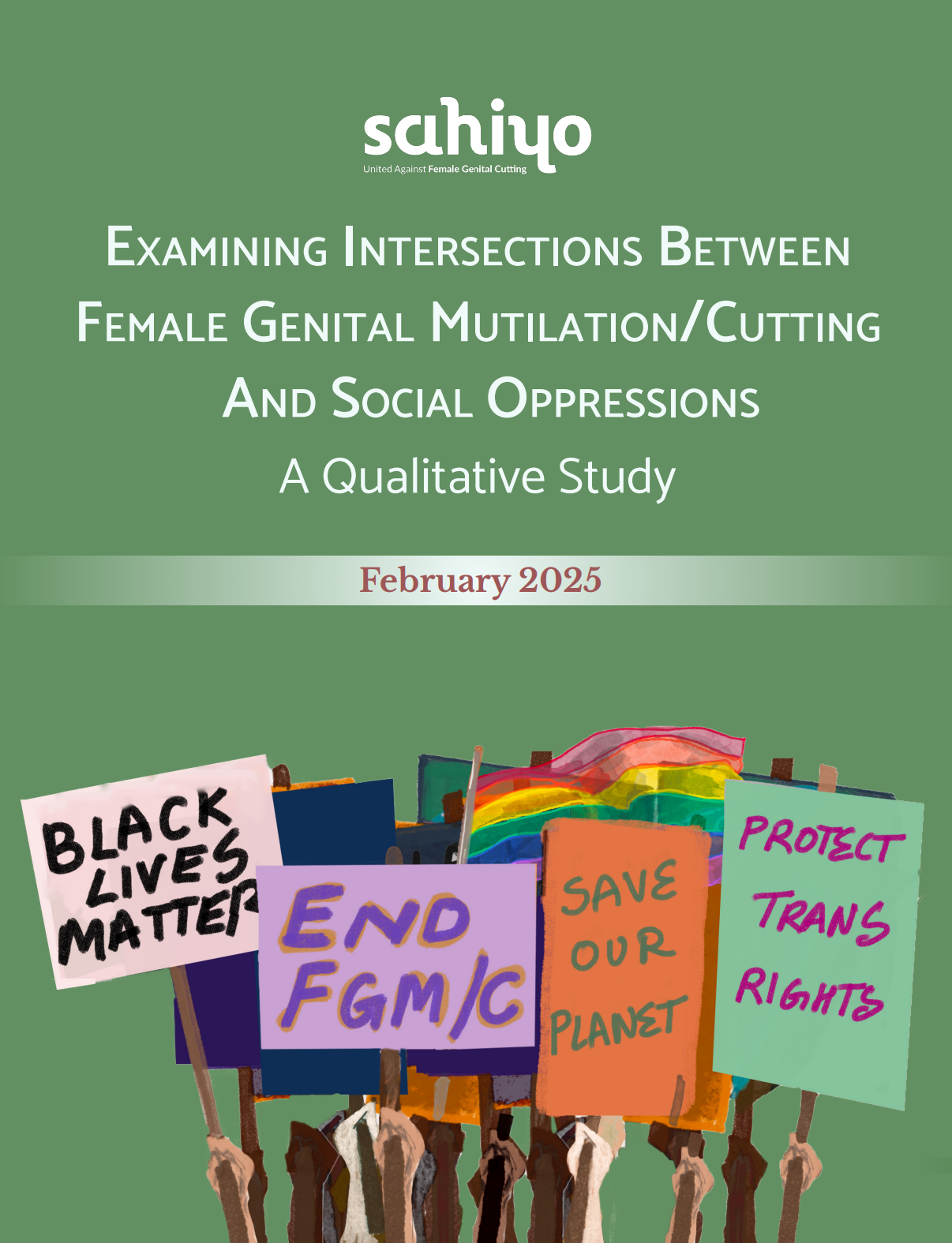
Examining Intersections Between Female Genital Mutilation/Cutting and Social Oppressions: A Qualitative Study

This report builds on the themes introduced in the previous reports, and enhances the findings by providing detail only made possible through in-depth interviews with advocates working in the anti-FGM/C movement and other sectors/social justice movements.

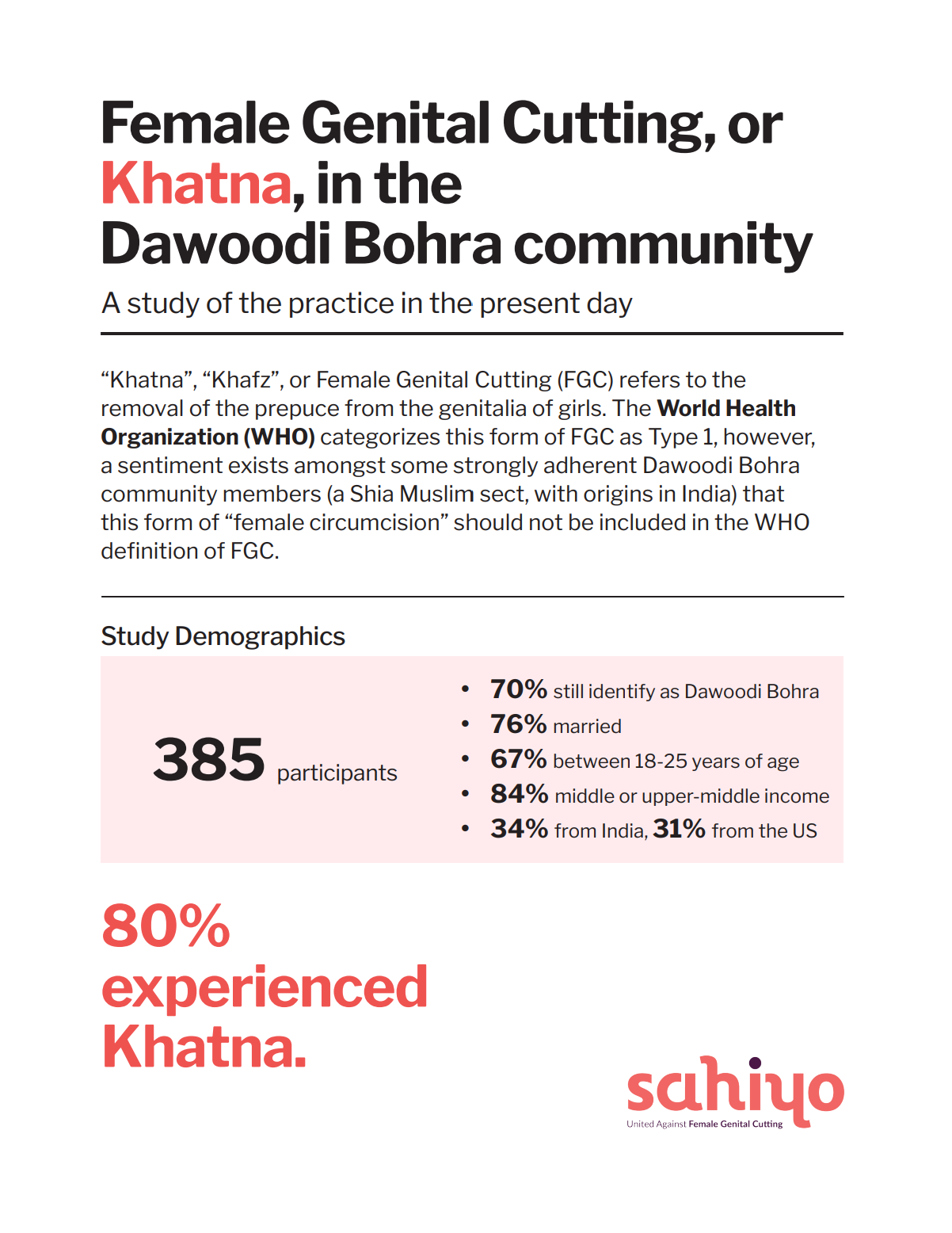
Female Genital Cutting, or Khatna, in the Dawoodi Bohra Community

A two-pager documenting highlight results from Sahiyo’s online, exploratory study documenting the prevalence of khatna amongst Dawoodi Bohras women on a global level.

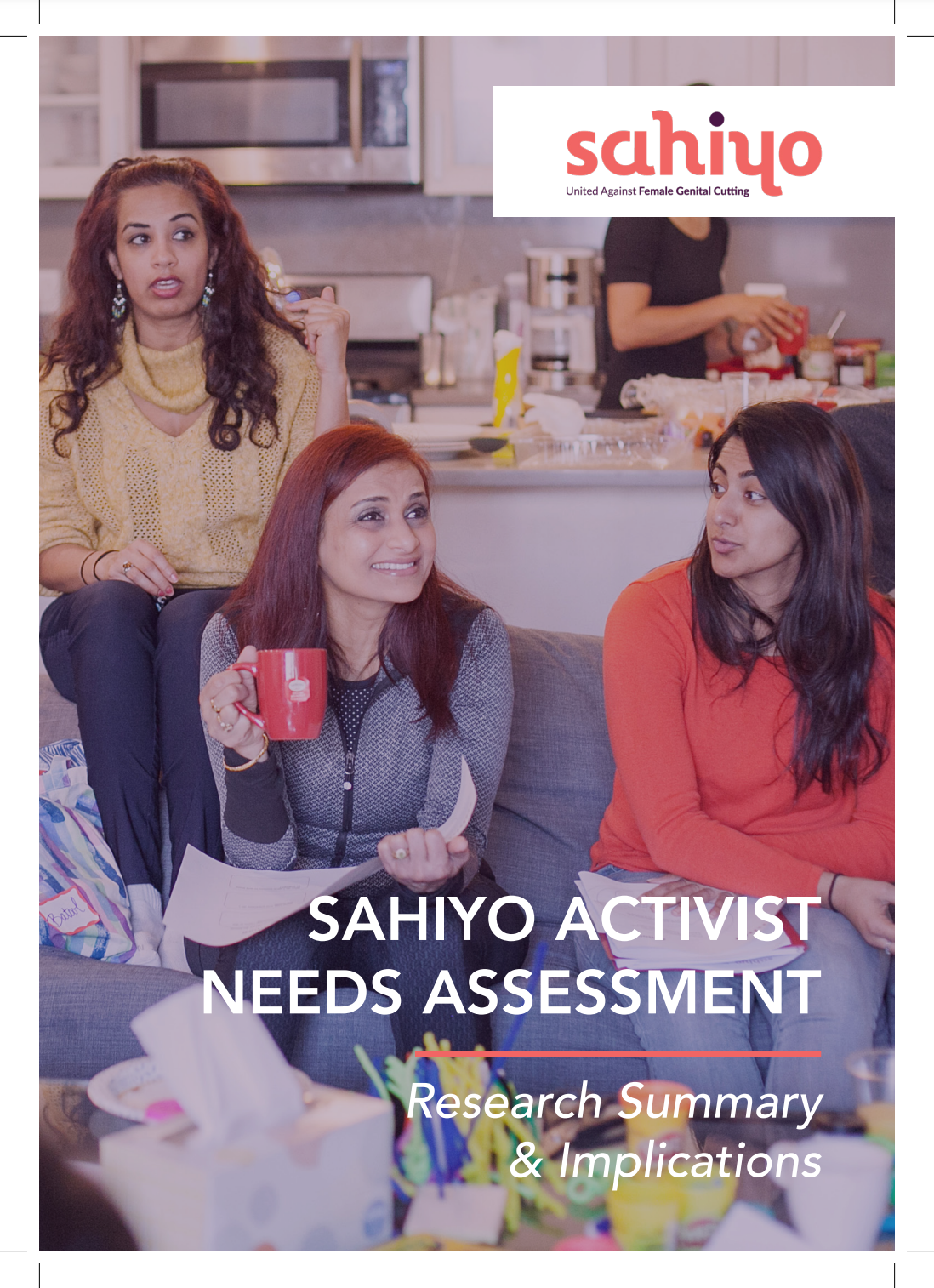
Sahiyo Activists Needs Assesment

Sahiyo partnered with a healthcare market research consultancy to conduct primary market research with activists speaking out against FGC, in an effort to better understand activists’ challenges and hopes for the future. In this report, we summarize the key findings from our primary research and draw implications for the broader gender violence activist community, but also to underscore the importance of conducting primary research with activists.

Understanding Female Genital Cutting in the Dawoodi Bohra Community: An Exploratory Study

The report contains the full results and analysis of a detailed online survey of 385 Dawoodi Bohra women from around the world. This survey was conducted over a period of six months from July 2015 to January 2016. (The original study published in February 2017 needed a few corrections. The version attached here was updated in December 2018.)

GUIDES & TOOLKITS

How to Engage Survivors and Communities Impacted by Female Genital Mutilation/Cutting: Toolkit

The Survivor and Community Engagement Toolkit is intended for organizations and individuals who are working on prevention efforts to end female genital mutilation/cutting (FGM/C) and building support services for survivors.

Know Your FGM/C Rights

Resources intended to support individuals at risk and survivors of FGM/C understand their legal protections and the support options available in their state, including information on federal and state laws, support groups, and health services.

A resource guide to best practice for sensitive and effective reporting on FGC/M: With special reference to Khatna in the Dawoodi Bohra community

This media toolkit was developed to promote sensitive and effective depiction of Female Genital Cutting/Mutilation (FGC/M) with special reference to Khatna in the Dawoodi Bohra community. The toolkit will help the media (or anyone interested in depicting the issue) in avoiding factual errors, sensationalized visuals, judgemental language and unintentional vilification of the community; and to be a stronger and effective partner in furthering an end to Khatna among Bohras.

Communication Guide for Activists Working to End FGC

This guide seeks to provide activists with tools and tips on how to engage in effective advocacy against female genital cutting (FGC)

Digital Activism Guide

A guide for those who want to engage in creating dialogue against Female Genital Cutting (also known as Female Genital Mutilation) through digital and social media.

A Media Workshop on Female Genital Cutting

The best Practices for Media Reporting on Female Genital Cutting.

VIDEOS

A Pinch of Skin Documentary

2012 Documentary by Sahiyo co-founder Priya Goswami on the practice of khatna (female circumcision or female genital mutilation) among the Dawoodi Bohra community in India. Language: Hindi, English (With English Subtitles)

Deen and Duniya (Religion and the World)

a 2004 film by Alisha Bhagat highlights the role of women in the Bohra community.

A Small Nick or Cut, they say….

‘A Small Nick or Cut, they say…’ produced by Love Matters India in 2016 and directed by Priya Goswami features voices of resistance on ‘Khatna’ or Type 1 Female Genital Cutting (FGC) prevalent in the Dawoodi Bohra community of India.

2023 Sahiyo Activists Retreat

In September 2023, activists, survivors of female genital cutting (FGC), and community members from the Bohra community came from all over the U.S. to gather in-person at Sahiyo’s 6th annual Activists Retreat. This three-day affair, in Atlanta, Georgia, brought together individuals belonging to the Bohra community to deepen relationships with one another, increase knowledge on FGC, and gain tools on how to advocate against FGC. This year, as in the past, the Retreat was filled with presentations, educational videos, group discussions, action planning sessions, and self-care activities.

Storytelling with Sahiyo

Sahiyo partnered with Women in Film and Television International India in 2018 to organise “Storytelling with Sahiyo”, which featured four critically-acclaimed Indian film actors who performed narrative readings of the personal stories of four Female Genital Cutting survivors. The stories highlighted the different ways in which FGC affects women who are cut and the difficult decisions that mothers often have to make when they are caught between tradition and the desire to protect their daughters.

Female Genital Mutilation/Cutting: A under-recognized form of gender-based violence in the United States

This is an educational webinar in which we explored FGM/C in the United States, its connection to the broader anti-gender-based violence movement, and learned about the intervention and community engagement efforts occurring in this country to support survivors and prevent future generations from experiencing it.

WEBINARS

Critical Intersections: Anti-Racism and Female Genital Cutting (FGC)

During this webinar, expert panelists Leyla Hussein, Aarefa Johari, Aissata Camara, and Sunera Sadicali explored how FGC survivors and advocates for change often have to push back against racist narratives in their work and in their journey toward healing, as well as how systemic racism can delay substantial change on this issue.

Moving Towards Sexual Pleasure and Emotional Healing After Female Genital Cutting

Sahiyo partnered with three award winning and multi-talented speakers Farzana Doctor, Sarian Karim-Kamara, and Joanna Vergoth. Hear from these speakers about the mental and emotional consequences of FGC, how FGC can impact sexuality, and how survivors everywhere are working to heal.

Quiet Activism and Understanding the Psychosocial Impacts of FGC

The implications of FGC are wide and varied, affecting an array of people beyond just survivors. In this webinar, we heard from survivors and allies about their experiences and explored the psychosocial implications of FGC within the greater social contexts in which it exists. The conversations were framed around the concept of “quiet activism,” as quiet activism can take many forms and small steps such as conversations with a loved one are just as important to the movement to end FGC as more public or “loud” conversations.