
Thankful to be connected with so many incredible Bohra women
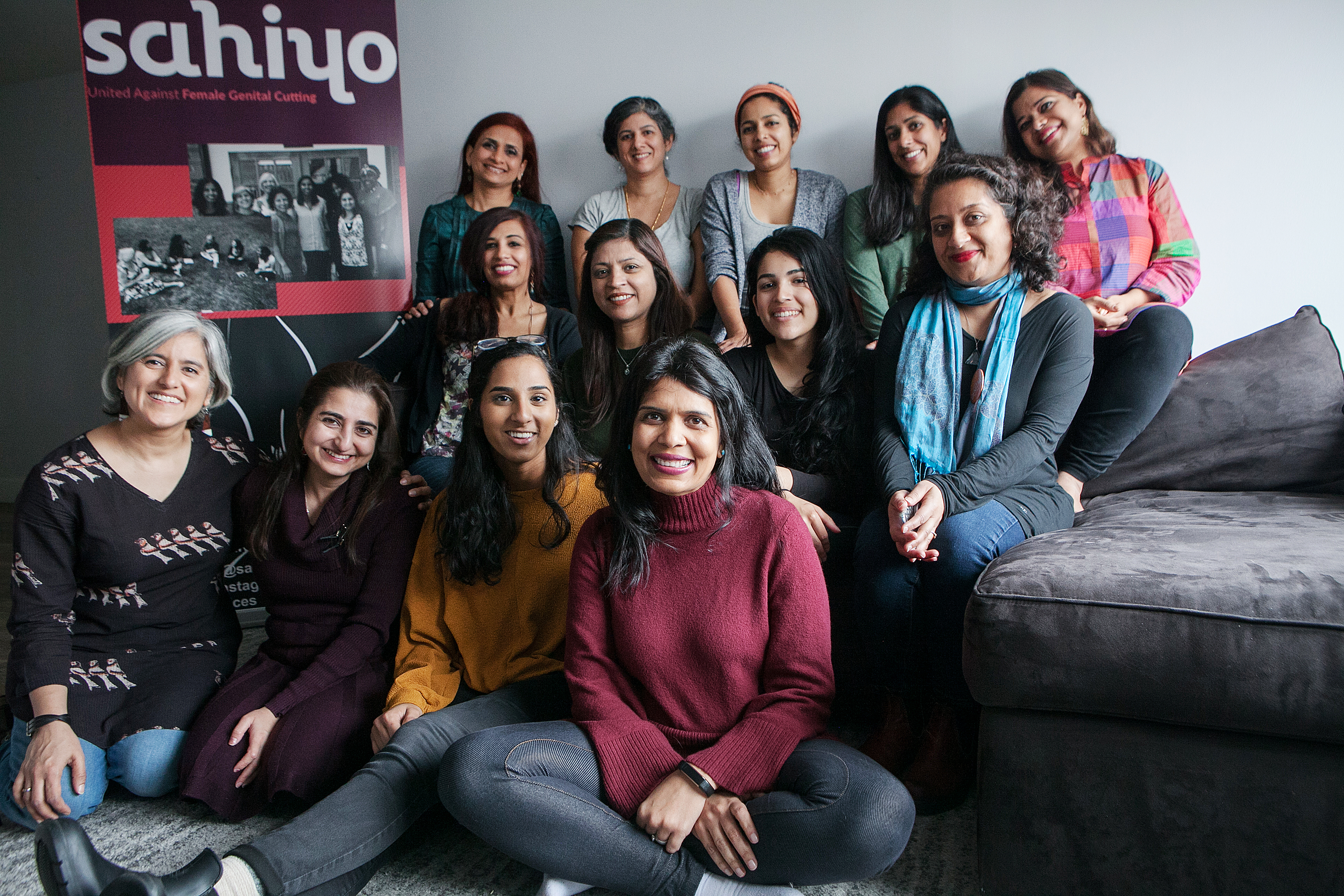
By Zehra Patwa I wasn’t a newbie, I had attended this retreat last year and I recall the immense healing power and strength of spending over two days with ten other Bohra women sharing our deepest feelings about a secret practice that had touched all our lives. When I had the opportunity to help organize […]
Sahiyo’s male ally campaign: We need your voice!
Seeking Male Allies to Take a Stand Against Female Genital Cutting Female Genital Cutting (FGC) is a harmful practice, deeply rooted in misunderstanding, that requires individuals of all genders, sexual orientations, races and backgrounds to come together to ensure that not another woman or young girl is harmed. We at Sahiyo have been so grateful […]
The complexities of female genital cutting (FGC) in Singapore: Part III

Tradition and patriarchal elements of FGC By Saza Faradilla Country of Residence: Singapore This blog post is the third in a four-part series about female genital cutting (FGC) in Singapore. This third installment explains some of the reasons the interlocutors provided for practicing FGC, including tradition and the control of female sexuality within patriarchy. […]
Cofounders

SAHIYO COFOUNDERS: Mariya Taher pursued a study titled, “Understanding Female Genital Cutting in the United States“, in graduate school for her Master of Social Work from San Francisco State University. Since then, she has worked in the field of gender violence for over a decade, working on issues of domestic violence at W.O.M.A.N., Inc.; Asian Women’s Shelter; […]
My mother thought she was saving me with khafz
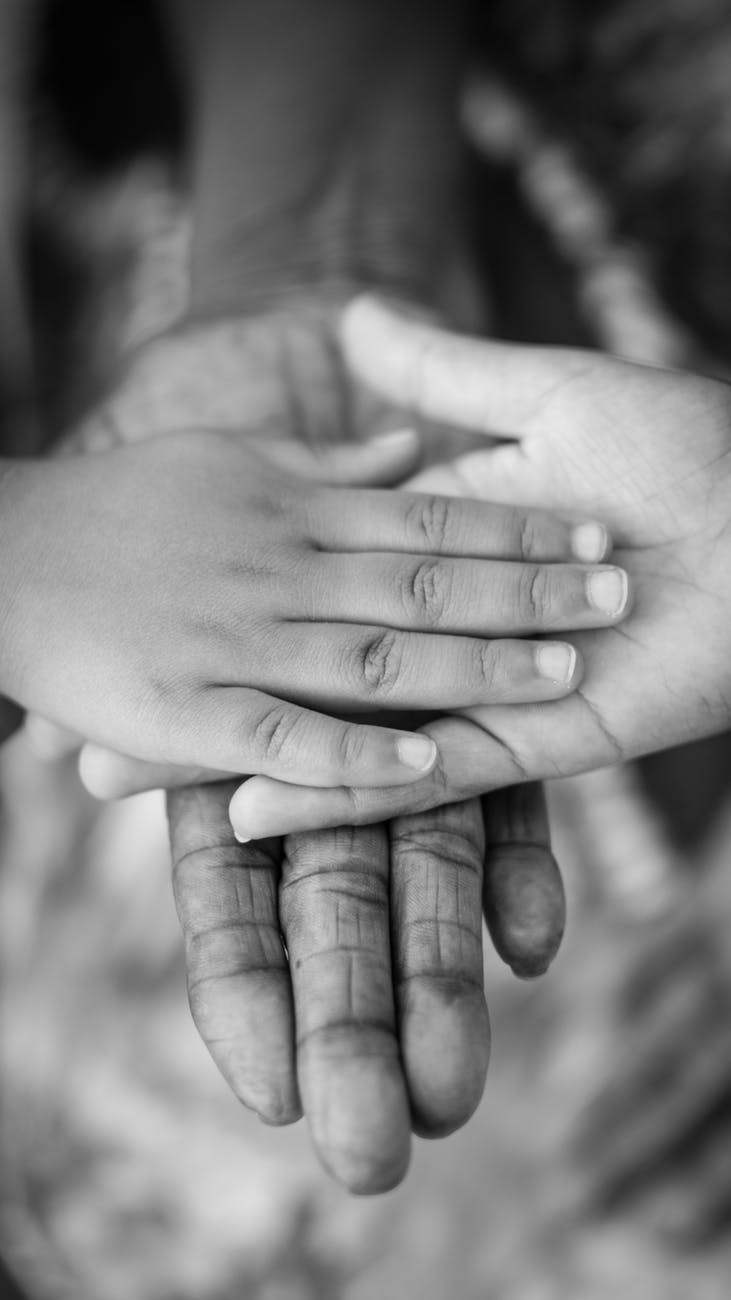
Photo Courtesy Of Kristin De Soto on Pexels.com By Rashida I can recall with crystal clear memory my mother taking me at around age 7 to a dilapidated old Chawl style building in a Bohra Mohalla in Bhendi Bazaar. My mom wore a dark orange saree with a green, white and light orange geometrical design. […]
Discovering female genital cutting in my community
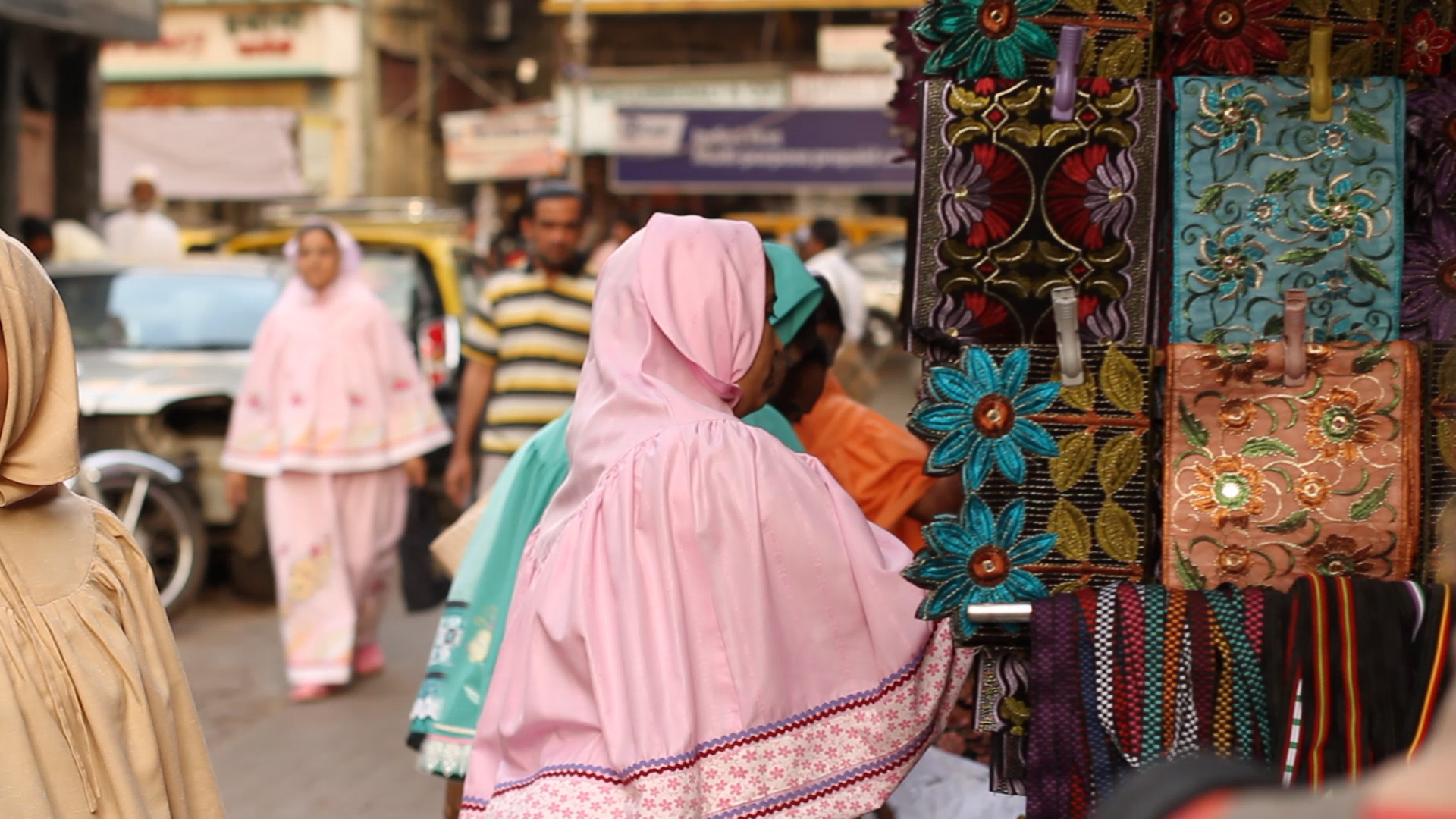
By Mariam Sabir Country of Residence: United States With so many issues in the world that need to be addressed, we have to pick and choose our battles, whether it may be poverty, education, inequality, or gender violence. The majority of people choose something that they can most relate to via personal or cultural experiences. […]
PRESS RELEASE: A pioneering Roundtable to Address Female Genital Mutilation/Cutting in Massachusetts
Download press release as PDF PRESS RELEASE: A pioneering Roundtable to Address Female Genital Mutilation/Cutting in Massachusetts Boston, Massachusetts, 14 June 2019 On June 13, 2019, a collective of almost 60 experts from different disciplines and cultural groups took the first steps to create a ‘Massachusetts End FGM/C Network’, to highlight the largely […]
Multiple events on female genital cutting hosted at Women Deliver in Vancouver
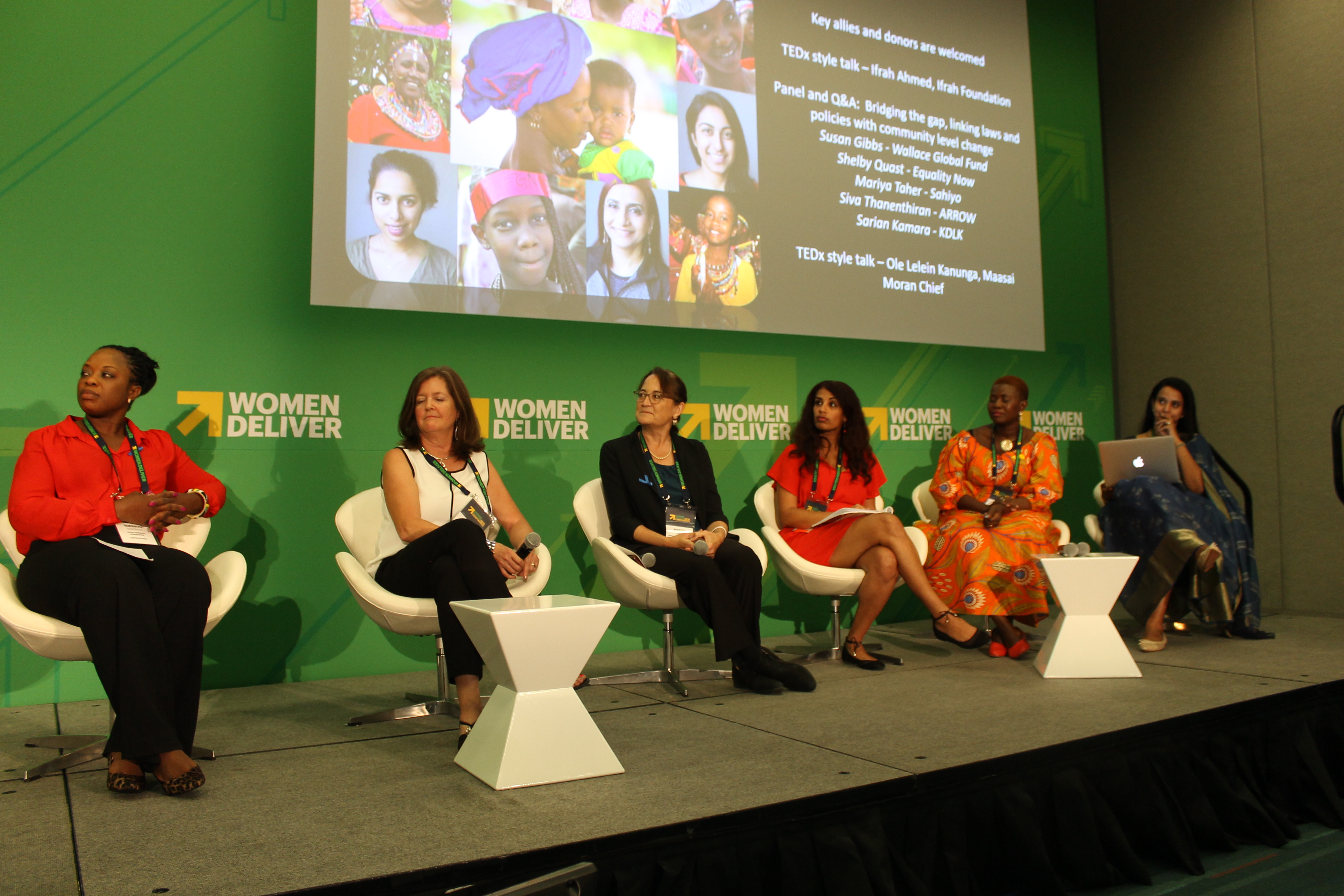
From June 2 to June 6th, Sahiyo co-founder, Mariya Taher took part in Women Deliver 2019 held in Vancouver, Canada this year. Over 8,000 participants took part in the conference and for the first time ever, a pre-conference on Female Genital Cutting was held on June 2nd, a day before the official start of the […]
‘A Pinch of Skin’ to Screen in Berlin
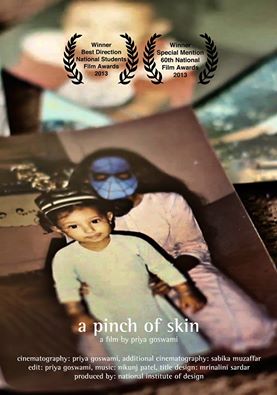
Sahiyo co-founder’s documentary ‘A Pinch of Skin’ will be screening at NaturFreudeJungend in Berlin on the 25th May. 25th May is also the one-year anniversary of the historic repealing of the ban on abortion in Ireland, also known as the 8th Amendment. This is especially significant as a successful contemporary feminist movement, where women of Ireland voted […]
Volunteer Spotlight: Sakina Sharp

Sakina Sharp is a corporate attorney and co-founder of a domestic violence organization in San Antonio. Sakina is vice president and managing attorney at USAA, which is a financial services company. She has been a practicing in-house attorney for 20 years, specializing in insurance regulatory law and consumer privacy. Approximately 8 years ago, she co-founded […]