
Asia Network to End FGM/C calls for your participation
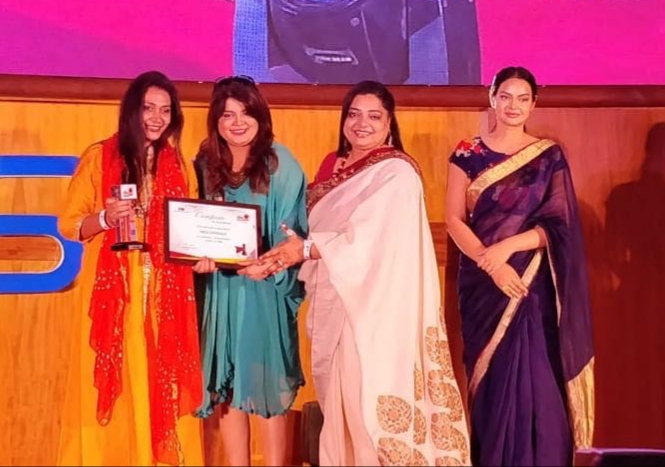
Malaysian NGO Asian Pacific Resource and Research Centre for Women (ARROW) and British charity Orchid Project are jointly developing a new Asia Network to End FGM/C, to strengthen movements to end the practice of FGC in Asian communities. To shape this network and its priorities, all interested organisations, activists, and stakeholders working in the region […]
Utilizing Participatory Storytelling to Educate – A session at APHA 2019
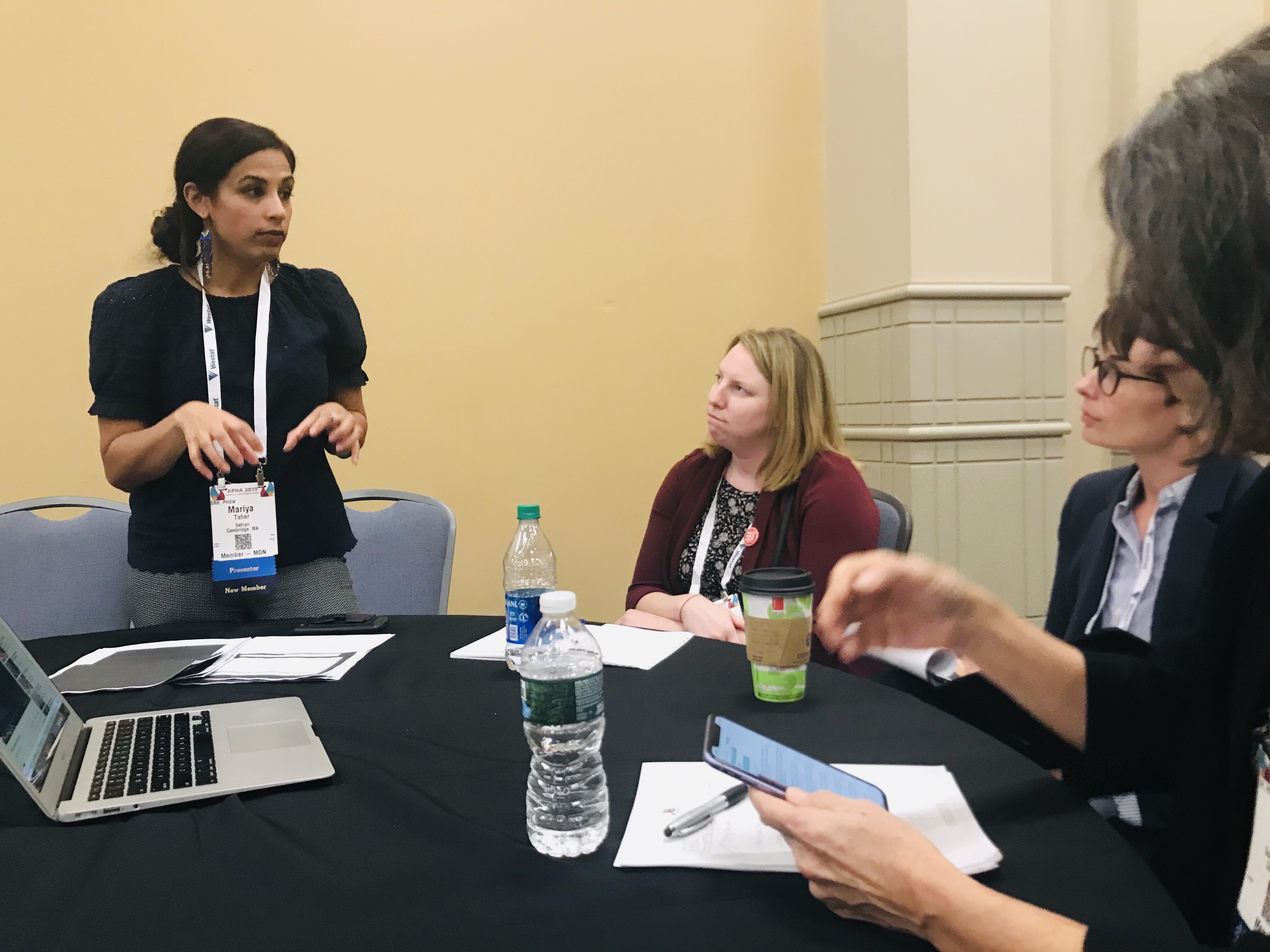
On Nov 4, 2019, Sahiyo’s co-founder Mariya Taher took part in a round-table session at the American Public Health Association’s (APHA) Annual Conference in Philadelphia, Pennsylvania to discuss the Voices to End FGM/C project. Participants were able to view a sample of the digital stories created by survivors. They were also able to learn how […]
Support Sahiyo’s Work this Giving Tuesday
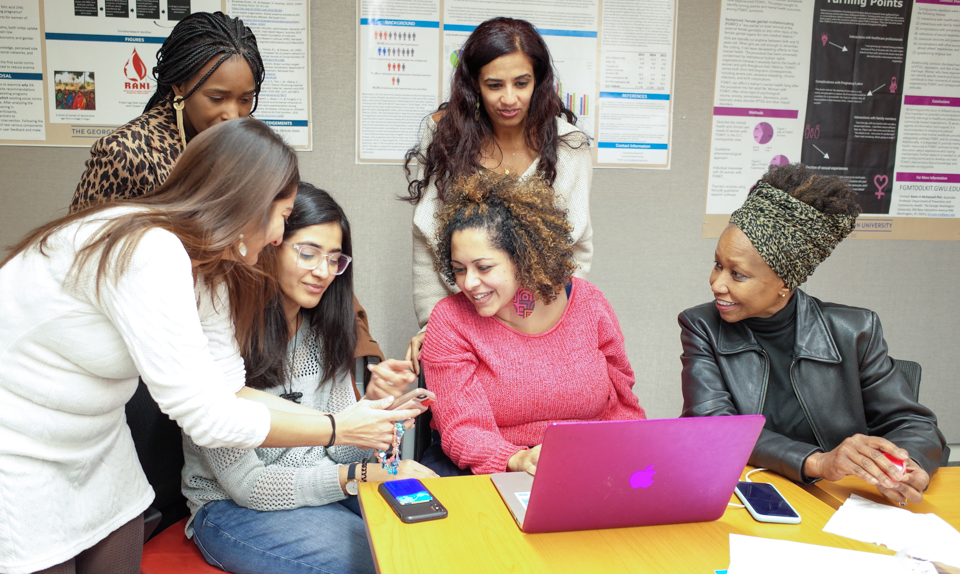
Every Tuesday following Black Friday, millions of people around the United States give back to support non-profit organizations that they believe in. This year we are inviting you to support Sahiyo’s groundbreaking work to end female genital cutting. Your generous support is absolutely vital, as so much of what we do is donation-based and dependent […]
Understanding the Supreme Court’s latest judgement mentioning female genital cutting in India
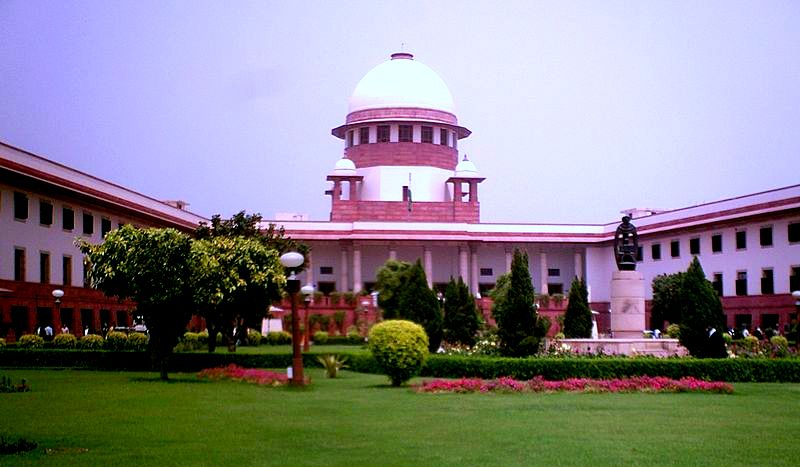
On November 14, after a year of silence on the female genital mutilation/ cutting (FGM/C) case pending before it, the Supreme Court of India mentioned that the case will be referred to a seven-judge Constitution bench. It is likely that the case will now be heard in conjunction with three other petitions dealing with women’s […]
U.S. Sahiyo Board Member Spotlight: A. Renee Bergstrom, EdD

Sahiyo’s U.S. Advisory Board provides strategic advice to the management of Sahiyo and ensures that we continue fulfilling our mission to empower communities to end female genital cutting, and create positive social change through dialogue, education, and collaboration based on community involvement. For November, we are featuring A. Renee Bergstrom, EdD, a survivor who has […]
Op-Ed: A Global Platform to End FGM/C
We must accelerate an end to FGM/C. Every 11 seconds a girl somewhere in the world will go through female genital mutilation/cutting (FGM/C.) The procedure is often extremely painful, and carried out with a crude, unsterilized instrument and without anesthesia. Every 11 seconds. FGM/C has no medical benefits, and often has disastrous effects, including a […]
I was impressed with the courage of young women at Sahiyo’s Activist Retreat
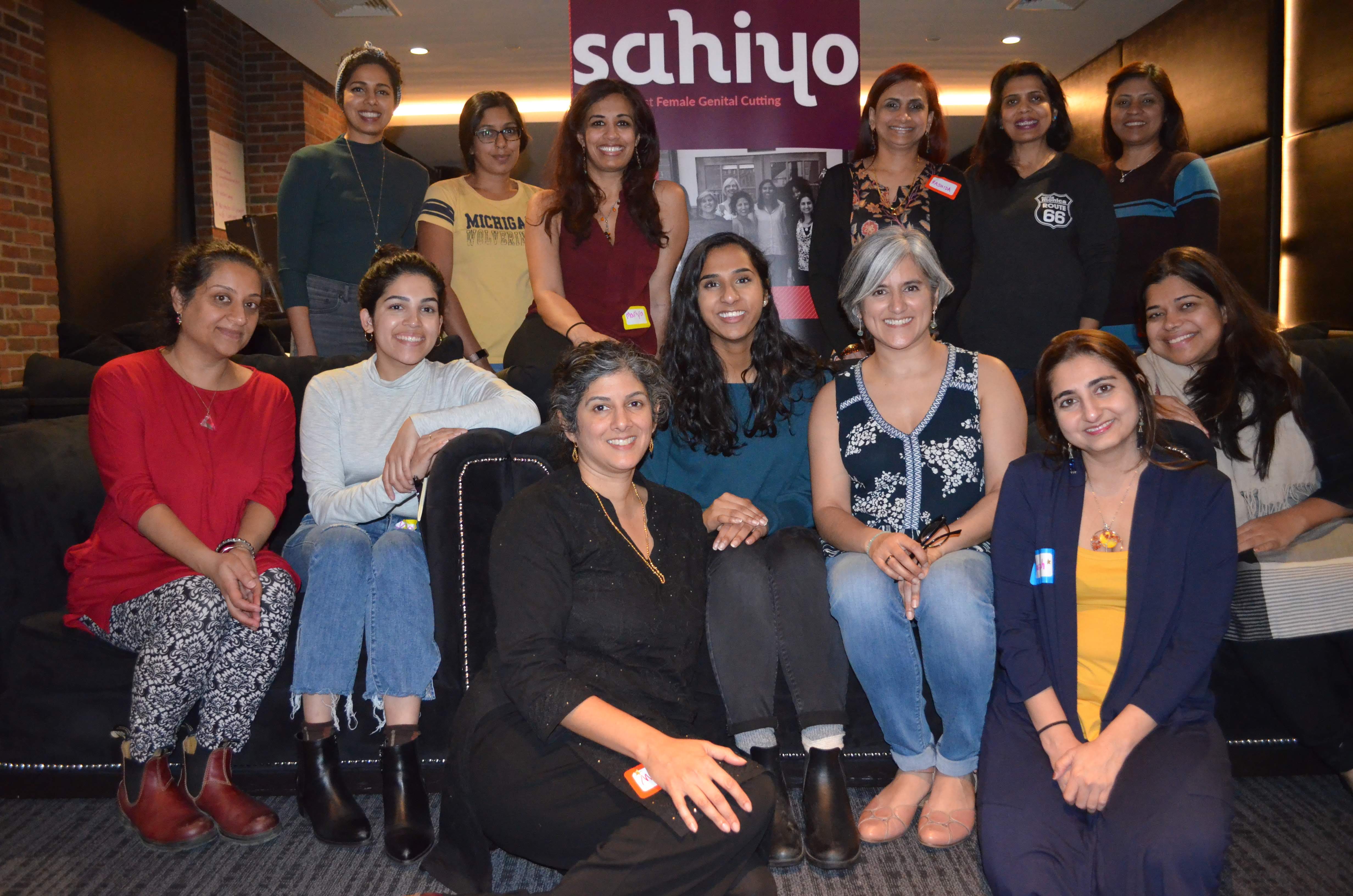
By Rashida Rangwala In March 2019, I attended my second Sahiyo Activist Retreat. For me it was an occasion to meet friends I had made last year at the 2018 retreat, share the progress I had made as an activist over the course of the past year, and demonstrate how much the first retreat had […]
એક સાઈકોથેરૅપિસ્ટ તરીકે, હું ક્યારેય ખતનાની ભલામણ નહિં કરું
(This article was first published in English on December 10, 2016. Read the English version here.) લેખક : અનામી ઉંમર : 36 વર્ષ દેશ : ભારત હું એક માનસિક આરોગ્ય ચિકિત્સક છું અને છેલ્લા 16 વર્ષોથી હું તેનું કાઉન્સેલિંગ અને થેરાપી આપી રહી છું. મારા ઘરનાં લોકો મારી એક કઝિનની સેરિમનિ વિષે બોલતા હતા ત્યારે […]
Sahiyo U.S. Advisory Board Spotlight: Melody Joy Eckardt

As Sahiyo’s U.S. operations and programs have grown, in 2018, we invited various individuals from a host of backgrounds and professions to join our inaugural U.S. Advisory Board. The advisory board provides strategic advice to the management of Sahiyo and ensures that we continue fulfilling our mission to empower communities to end female genital cutting […]
मैंने अपनी मां से मेरा खतना नहीं करने की विनती की। उन्होंने मेरी बात सुनी
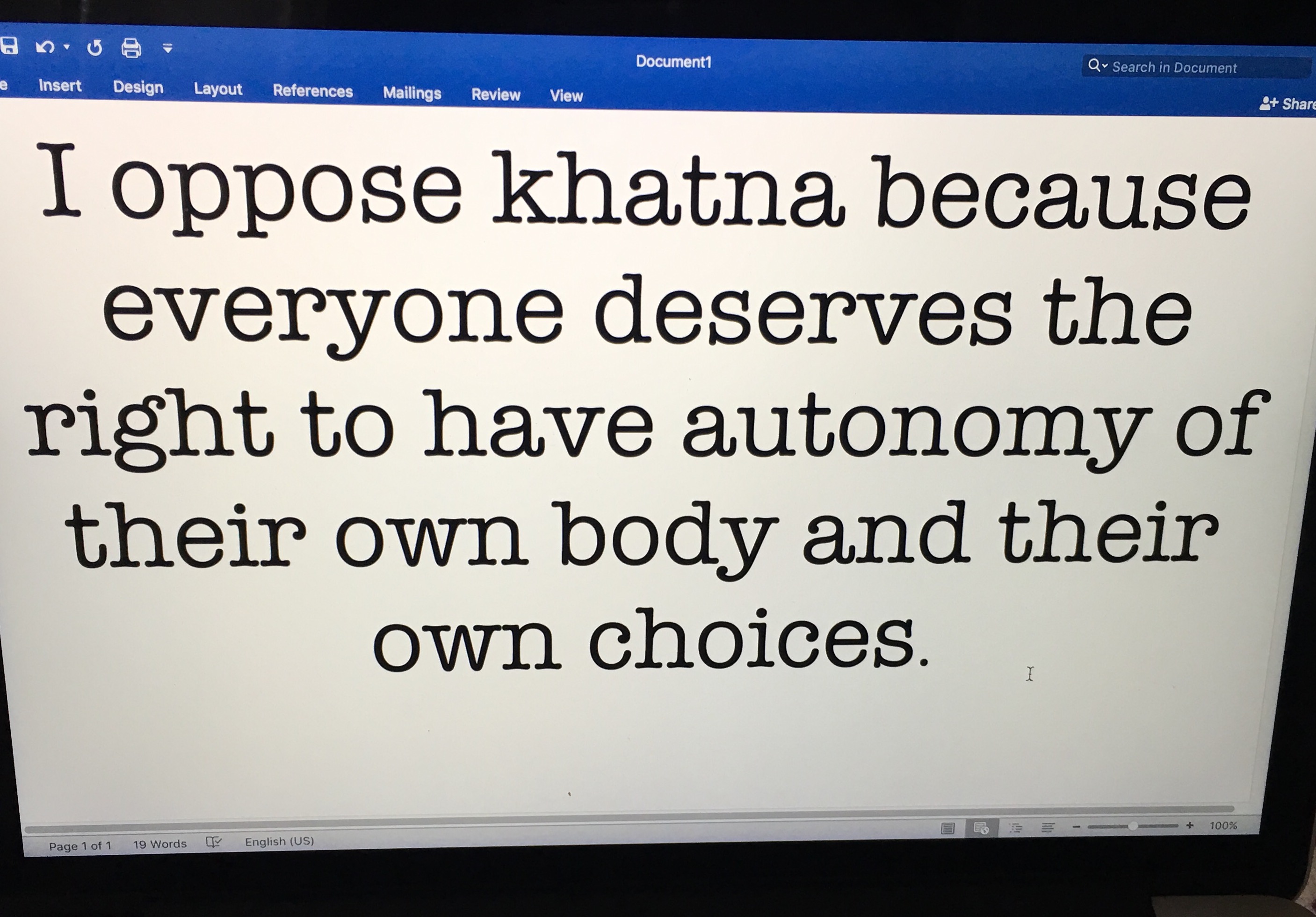
(This article was originally published in English on November 8, 2016. Read the English version here.) नाम: अज्ञात उम्र: 26 देश: संयुक्तराज्य अमेरिका शनिवार की स्कूल की क्लास में मैंने पहली बार इसके बारे में सुना। एक पुरुष शिक्षक उस शनिवार की सुबह हमारी क्लास में पढ़ा रहे ते, और विषय था खतना। उस 14 वर्ष […]