

The complexities of female genital cutting (FGC) in Singapore

By Saza Faradilla Country of Residence: Singapore This blogpost is the first in a four-part series about female genital cutting (FGC) in Singapore. This first installment details the historical, social and economic contexts of FGC in Singapore. It also explains the limitations of academic discourses on FGC in the Southeast-Asian region, and especially Singapore. It […]
Sahiyo Staff Spotlight: Lara Kingstone

Lara Kingstone started her career in community organizing in a UK-based program designed to integrate London communities and empower youth to become active and engaged citizens. Lara earned a BA in Political Communications at IDC Herzliya, an Israeli University, while working as a journalist at The Culture Trip and producing and hosting a human rights […]
Wrestling with trust and fear in regard to female genital mutilation

By Farzana Esmaeel Country of Residence: United Arab Emirates Trust and fear are two emotions that have an interesting correlation to input and output of human behavior. One emotion, trust, establishes safety and comfort for individuals whilst the other, fear, displaces the very premise of safety and comfort. At the age of 7, you don’t […]
Experiencing Sahiyo’s Activist Retreat in Mumbai
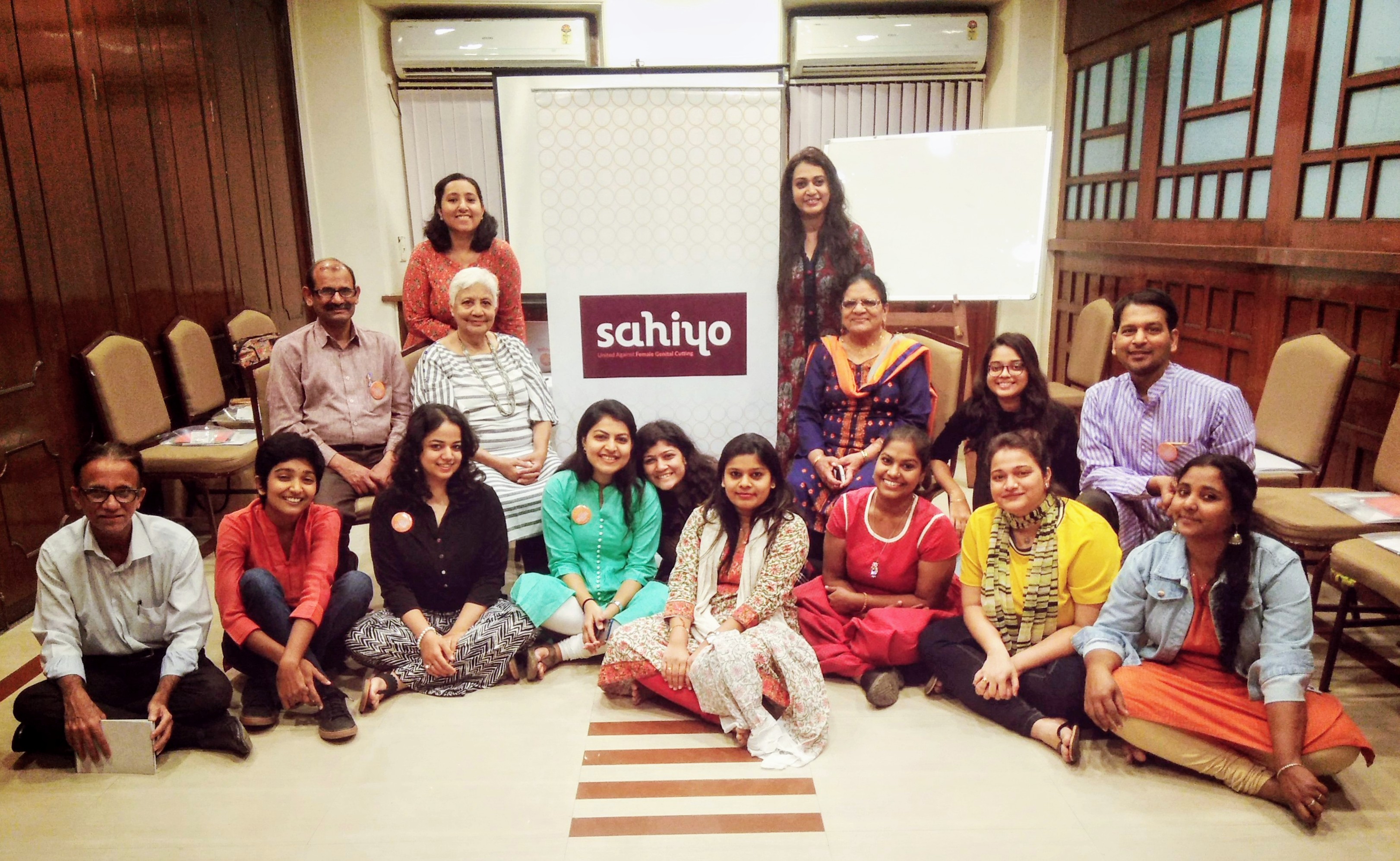
By Xenobia Country of Residence: India There are those who talk about change, and then there are those who do things and bring about the change. I would like to tell you about the time I decided to be a part of the Sahiyo’s Activist Retreat in Mumbai, and met such wonderful people who, in […]
The Disturbing Trend of Medicalising Female Genital Mutilation
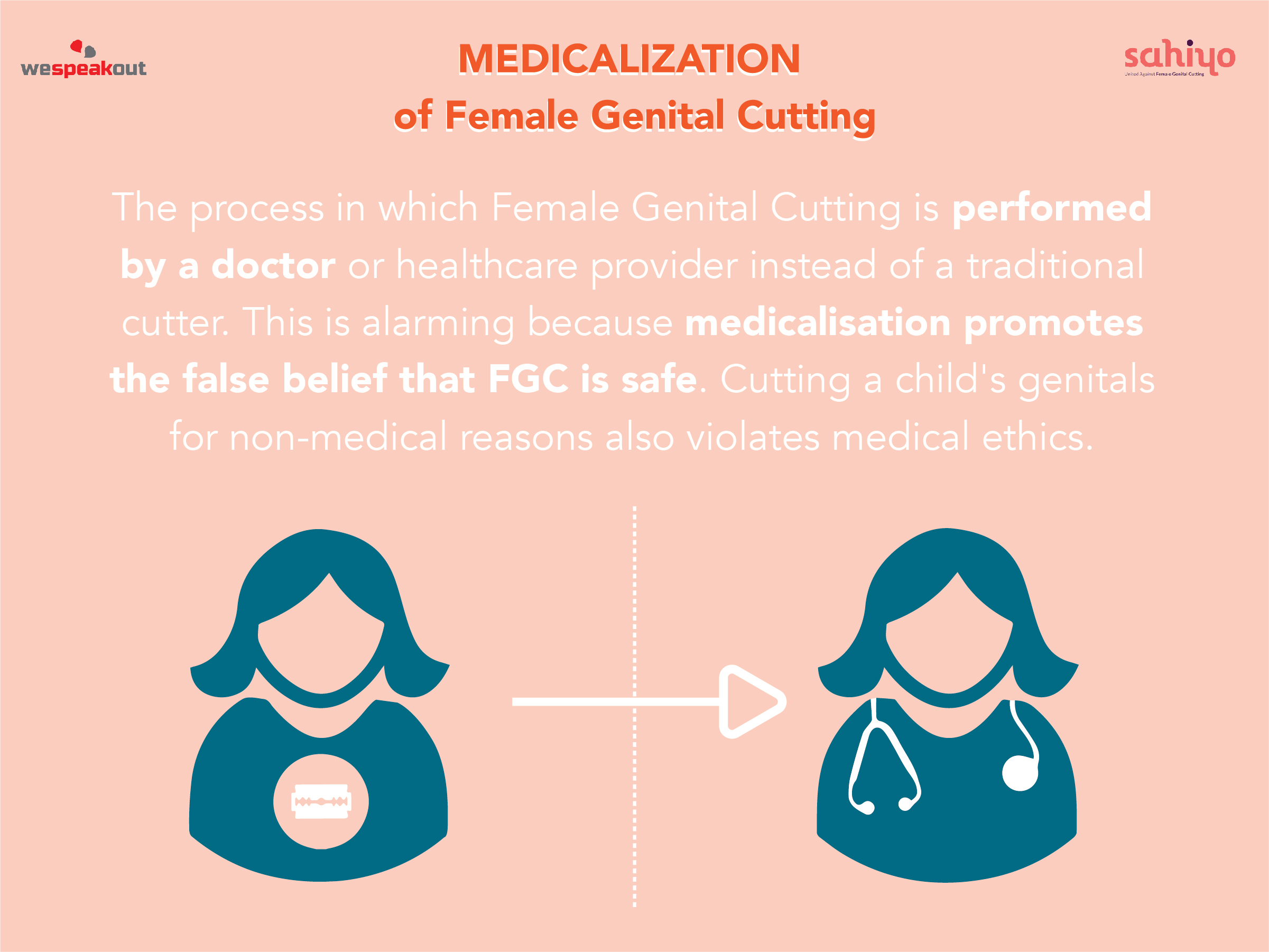
by Lorraine Koonce-Farahmand In the Zero Tolerance campaign to end Female Genital Mutilation (FGM), what has been noted is the arc of progress. Increasingly, women and men from practising groups have declared support for ending FGM; and in several countries, the prevalence of FGM has decreased significantly. A BMJ Global Health study reported that the […]
The importance of creating a body of knowledge on female genital cutting

By Cameron Adelman My ultimate career goal is to work in sexual health with underserved populations. Access to sexual and reproductive health services is incredibly difficult in most states in the United States. It is even more difficult for people living in low-income areas, for the LGBTQIA community, for immigrants, and for people coming from […]
How doctors responded to my genital mutilation: An American woman’s 70-year journey
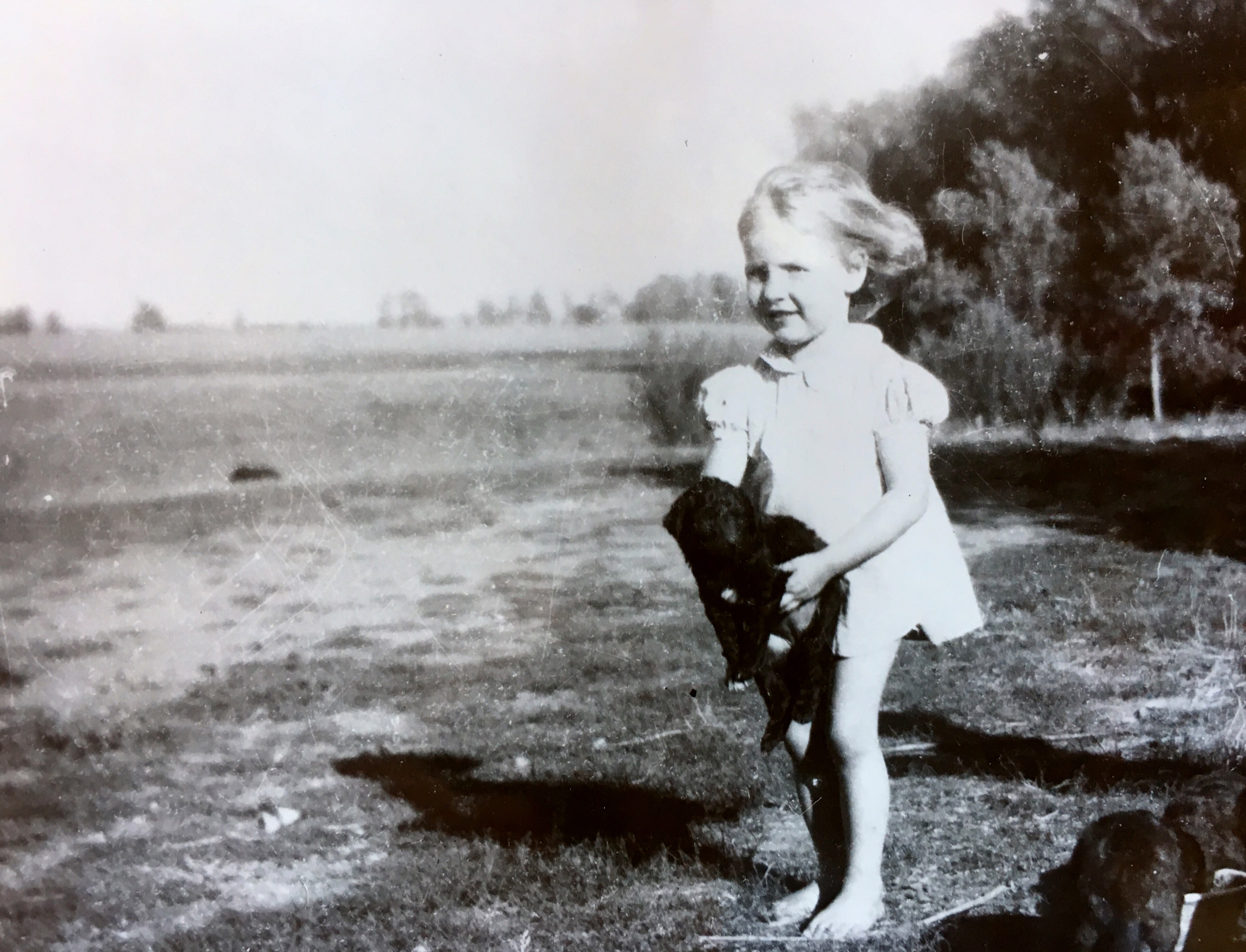
By A. Renee Bergstrom, EdD Country of Residence: United States Renee chronicles her experiences with American physicians from the time she was cut at three years of age until seventy years later when she became an advocate against female genital mutilation. She also shared her story during the Sahiyo Stories Workshop to encourage other women […]
Voices to End FGM/C: Seeking artists for social norm change project
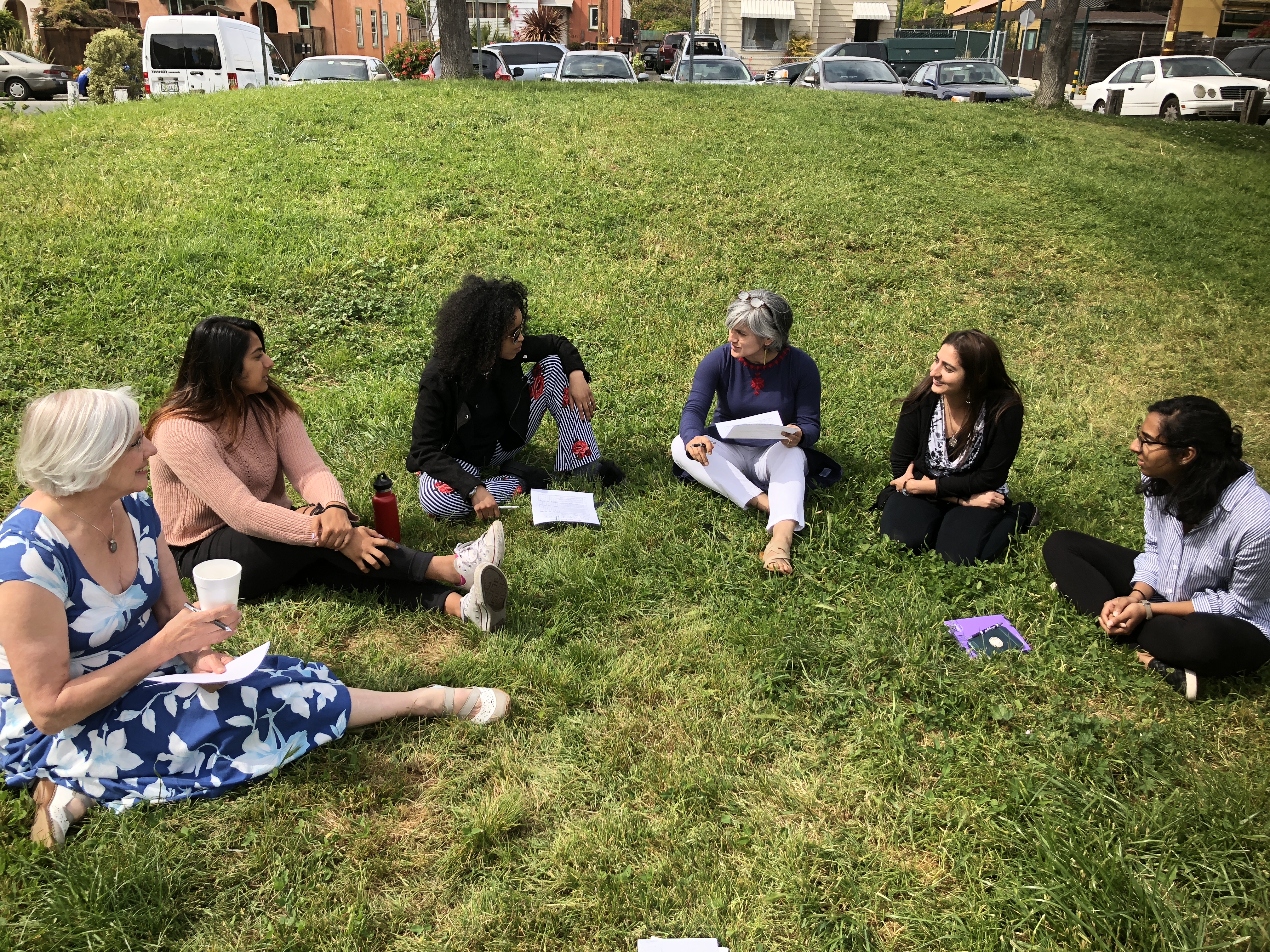
Sahi yo is thrilled to announce the “Voices to End FGM/C” global storytelling project in collaboration with StoryCenter , which will support a group of ten women who have experienced female genital mutilation/cutting (FGM/C) in telling their stories. StoryCenter is a community-arts organization that has for 20+ years worked with grassroots groups on participatory digital […]
Voices to End FGM/C: Seeking Storytellers for Social Norm Change
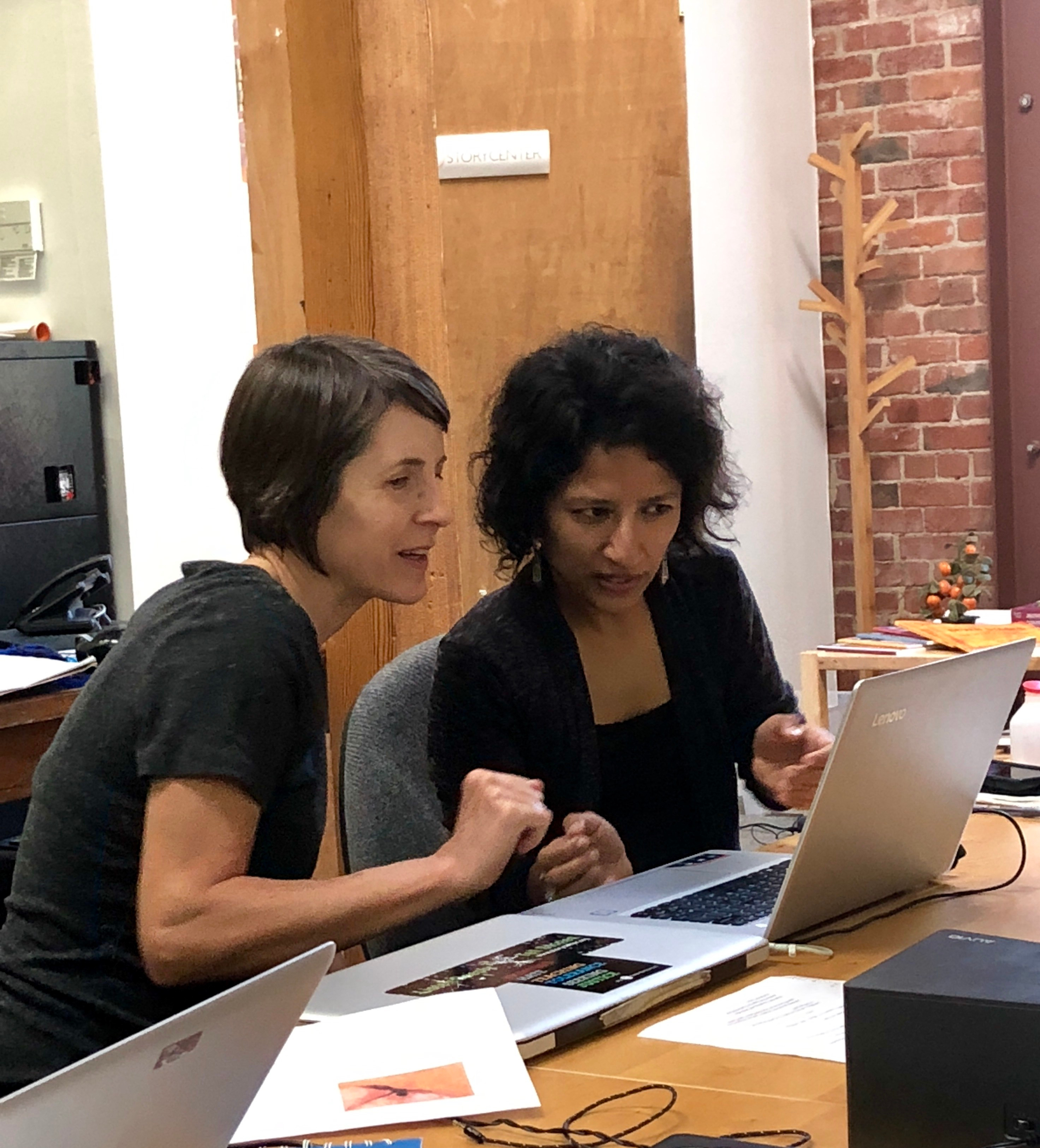
This year, Sahiyo looks forward to continuing our partnership with StoryCenter, a community-arts organization that has for 20+ years worked with grassroots groups on participatory digital storytelling and media arts projects. To apply to be a participant, fill out the application! In 201 8, Sahiyo and Story Center worked together on Sahiyo Stories, and […]
My decision as a mother to not cut my daughters

By Masuma Kothari Country of Residence: United Kingdom A vivid memory of my cut has lived through so many years that I can recall the entire act. This experience always intrigued me and it did lead me to the insights of child psychology as to how tender a 7-year-old is. Even though my personal experience […]