
More Than A Survivor: An interview with Shabana

Sahiyo understands that being a survivor of female genital cutting (FGC) is just one moment of your life and only one part of who you are as a person. Oftentimes, being labeled as a survivor can prevent people from seeing a person in any other context beyond survivorship. Our campaign, #MoreThanASurvivor, explores our individuality and […]
More Than A Survivor: An interview with Samina

Sahiyo understands that being a survivor of female genital cutting (FGC) is just one moment of your life and only one part of who you are as a person. Oftentimes, being labeled as a survivor can prevent people from seeing a person in any other context beyond survivorship.Our campaign, #MoreThanASurvivor, explores our individuality and shows […]
More Than A Survivor: An interview with Saleha

Sahiyo understands that being a survivor of female genital cutting (FGC) is just one moment of your life and only one part of who you are as a person. Oftentimes, being labeled as a survivor can prevent people from seeing a person in any other context beyond survivorship.Our campaign, #MoreThanASurvivor, explores our individuality and shows […]
Thaal Pe Charcha
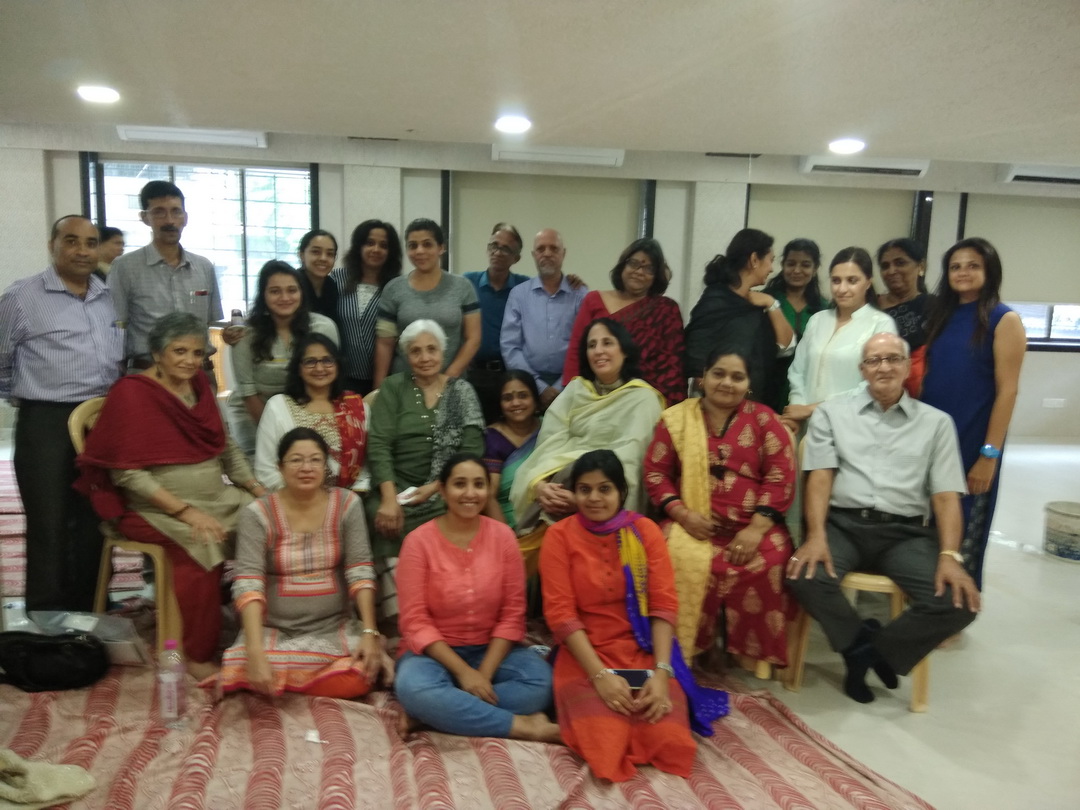
Thaal Pe Charcha (TPC), which loosely translates as “having discussions while eating food”, is a flagship Sahiyo programme where Bohra women are brought together in a private, informal setting so that they can bond over food and discuss issues that affect their lives, like FGC or Khatna.
More Than A Survivor: An interview with Sakina

Sahiyo understands that being a survivor of female genital cutting (FGC) is just one moment of your life and only one part of who you are as a person. Oftentimes, being labeled as a survivor can prevent people from seeing a person in any other context beyond survivorship.Our campaign, #MoreThanASurvivor, explores our individuality and shows […]
More Than A Survivor: An interview with Renee

Sahiyo understands that being a survivor of female genital cutting (FGC) is just one moment of your life and only one part of who you are as a person. Oftentimes, being labeled as a survivor can prevent people from seeing a person in any other context beyond survivorship.Our campaign, #MoreThanASurvivor, explores our individuality and shows […]
Upcoming Webinar: Addressing Female Genital Cutting in the Clinic

By Sandra Yu Female genital cutting (FGC) is an often overlooked issue in medical curriculums, and medical care for survivors is rarely a topic of discussion. As part of the 16 Days of Activism against gender-based violence, Sahiyo is hosting a webinar to inform individuals about the necessity for trauma-informed care for survivors of female […]
More Than A Survivor: An interview with Mubaraka

Sahiyo understands that being a survivor of female genital cutting (FGC) is just one moment of your life and only one part of who you are as a person. Oftentimes, being labeled as a survivor can prevent people from seeing a person in any other context beyond survivorship.Our campaign, #MoreThanASurvivor, explores our individuality and shows […]
More Than A Survivor: An interview with Lubaina

Sahiyo understands that being a survivor of female genital cutting (FGC) is just one moment of your life and only one part of who you are as a person. Oftentimes, being labeled as a survivor can prevent people from seeing a person in any other context beyond survivorship.Our campaign, #MoreThanASurvivor, explores our individuality and shows […]
More Than A Survivor: An interview with Jumana

Sahiyo understands that being a survivor of female genital cutting (FGC) is just one moment of your life and only one part of who you are as a person. Oftentimes, being labeled as a survivor can prevent people from seeing a person in any other context beyond survivorship.Our campaign, #MoreThanASurvivor, explores our individuality and shows […]