
GLOBAL LEADERS UNITE IN KENYA FOR HISTORIC CONVENING TO HELP END FGM/C AND CHILD MARRIAGE
NAIROBI / NAIVASHA, Kenya (Aug. 30- Sept. 4, 2026) — Around 150 global leaders, including survivors of female genital mutilation/cutting (FGM/C) and child marriage from 36 countries, will convene in Naivasha, Kenya, for the three-day Justice for Girls convening that kicks off on September 2nd, 2026. The international gathering will feature the launch of a […]
Our Fight to End FGM in The Gambia: Who is Listening?
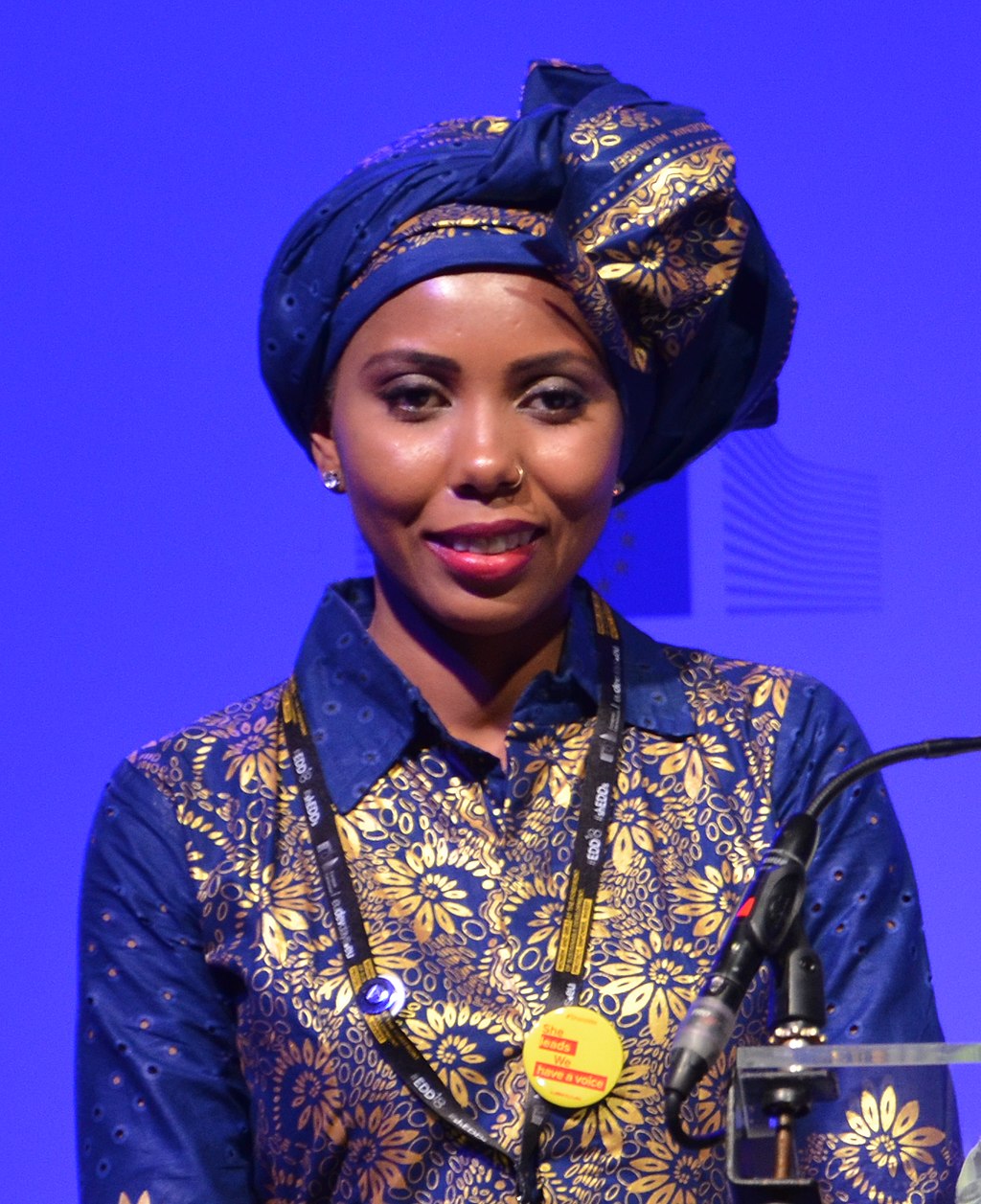
By: Jaha Dukureh, a Gambian anti-female genital mutilation campaigner and the founder and executive director of Safe Hands for Girls. Jaha was named TIME Magazine’s 100 Most Influential People for 2016 and was nominated for the Nobel Peace Prize in 2018. After I spent years campaigning to outlaw female circumcision, finally my country started to listen. In 2015, The Gambia […]
Musuya (Womanhood)
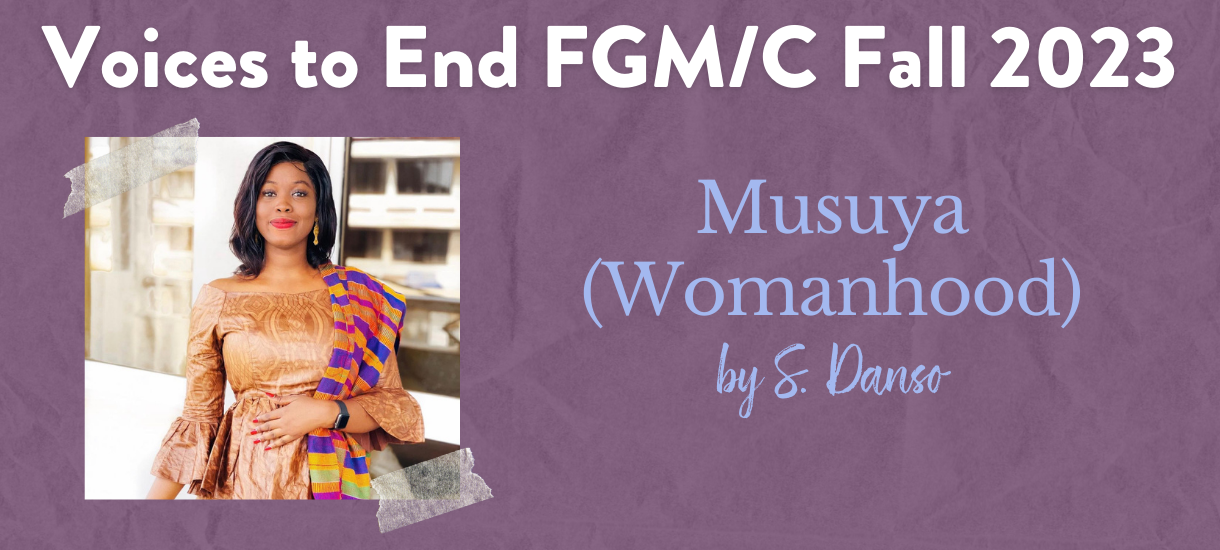
“I believe they don’t really know what it is and how it is conducted, the procedures, and the negative impact that it has… It will be easy to say ‘don’t ban FGM’ when you don’t know what happened in there.” In S Danso’s country, men are working in Parliament to repeal the ban on female […]
It’s a Marathon, Not a Race
By Amie Kujabi I am an FGM/C survivor. For the past two decades, my advocacy on FGM/C has been centered around other survivors and girls at risk—but never have I shared my story. A story that shaped the trajectory of my childhood and marked the beginning of a long…long…lonely self-awareness journey to an unknown destination. […]
Resilience
By Jeniffer Dias When I learned I had an opportunity to participate in the Voices to End FGM/C workshop, I first talked with my mentor, Bárbara Oliveira, and told her that I would like to talk about myself. She told me: “This is the moment to remove your ‘mask’ and talk about you, about who […]
I Didn’t Dare Ask
Why did you want to attend the workshop and share your story? I attended the workshop to learn about digital storytelling as another medium of communication in my advocacy work to stop female genital mutilation/cutting (FGM/C). What story did you choose to tell and create into a digital story? I shared the story of the […]
My experience learning about Kukeketwa (FGC)
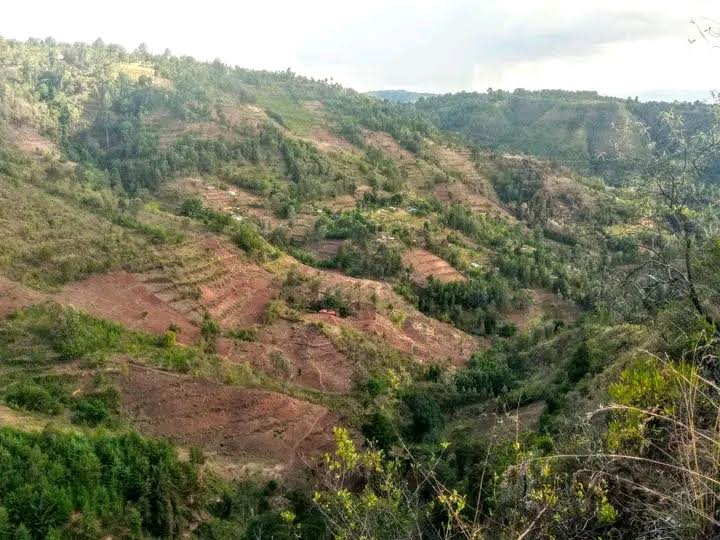
By Cecilia Mwakenya Trigger warning: this article contains graphic descriptions of female genital cutting (FGC). I was born and raised in Chachewa, a small village in Taita Taveta County, Kenya. Taita Taveta County is located approximately 360 kilometers from Nairobi, Kenya’s capital city. The Taita and Taveta communities are the most populous ethnic groups in […]
The urgency of climate change: Reflecting on my conversation with activist Domtila Chesang
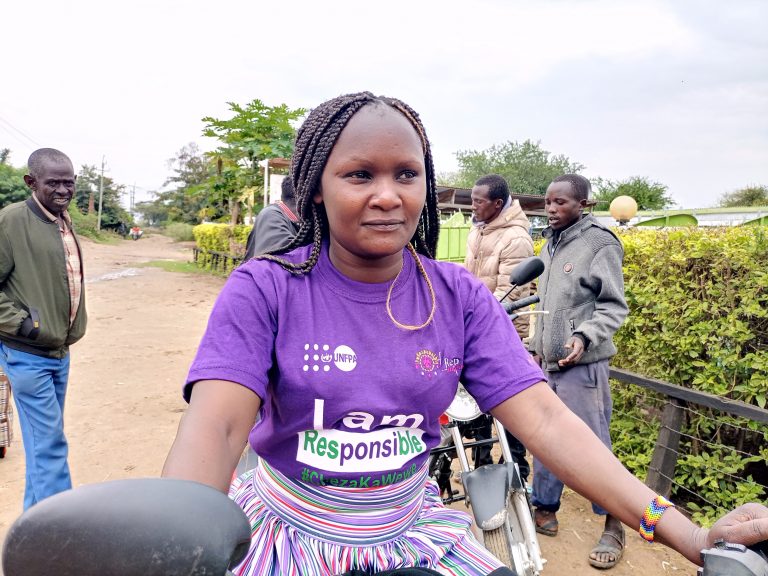
by Urvashi Sharma On a foggy day in October, I had the pleasure of speaking with Domtila Chesang, an inspired activist against female genital mutilation/cutting (FGM/C) in Kenya, and more recently a panellist on The Global Platform for Action to End FGM/C’s Climate Change and FGC webinar, to learn about her work and gain a […]
Introducing Nala Feminist Collective: African Women and The 10 Demands, including ending female genital cutting
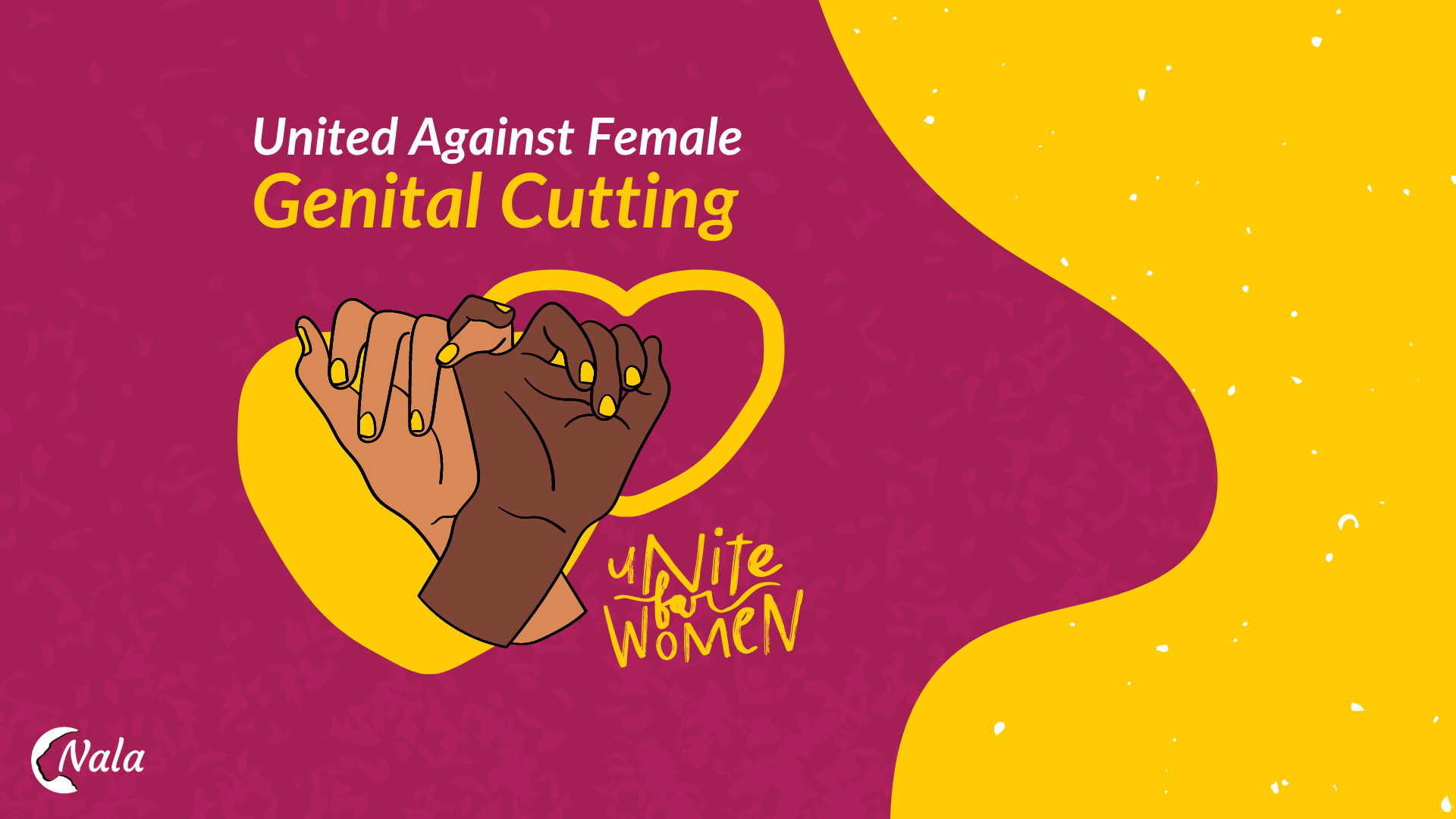
African women continue to struggle to find the right spaces to speak and share the realities of our generation. We do not lack bravery or confidence, but advocacy spaces that would engage our stories with kindness and actual solutions. Our feminist ancestors have taught us that what brings us together is our Pan-African solidarity. As […]
Orchid Project releases report detailing the pandemic’s impact on female genital cutting
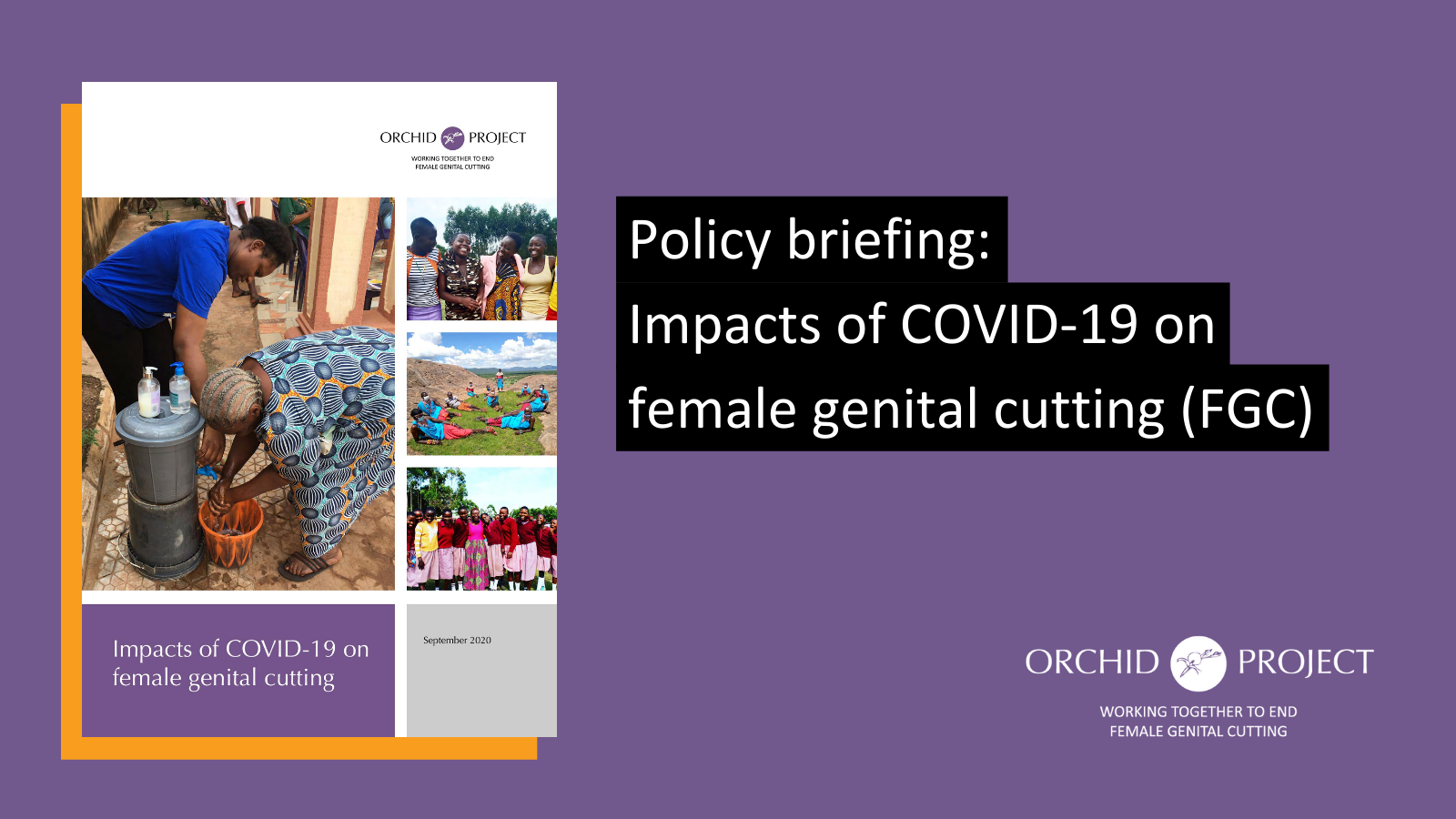
By Hunter Kessous Reports of an increasing rate of female genital cutting (FGC) began early in the pandemic. We are now nine months into the lockdowns and school closures, which have propagated the cutting of young girls. In response, the Orchid Project, decided to further investigate the impact of COVID-19 on the practice of FGC […]