
How female genital cutting is portrayed in television series

By Hunter Kessous Female genital cutting (FGC) is an international human rights violation and a form of gender-based violence. As the public becomes increasingly aware of this harmful practice, survivors of FGC are being portrayed in media and pop culture. FGC involves the partial or total removal of external female genitalia or other injuries for […]
Population Council hosts webinar to discuss ending female genital cutting

By Hunter Kessous The Population Council hosted a fascinating webinar, Using Research to Understand and Accelerate The Abandonment of Female Genital Mutilation/Cutting (FGM/C). It was the second of two webinars from a series titled, Evidence to End FGM/C: Research to Help Girls and Women Thrive. The most recent webinar reported some of the findings of […]
How COVID-19 impacts programs devoted to ending gender-based violence, including female genital cutting
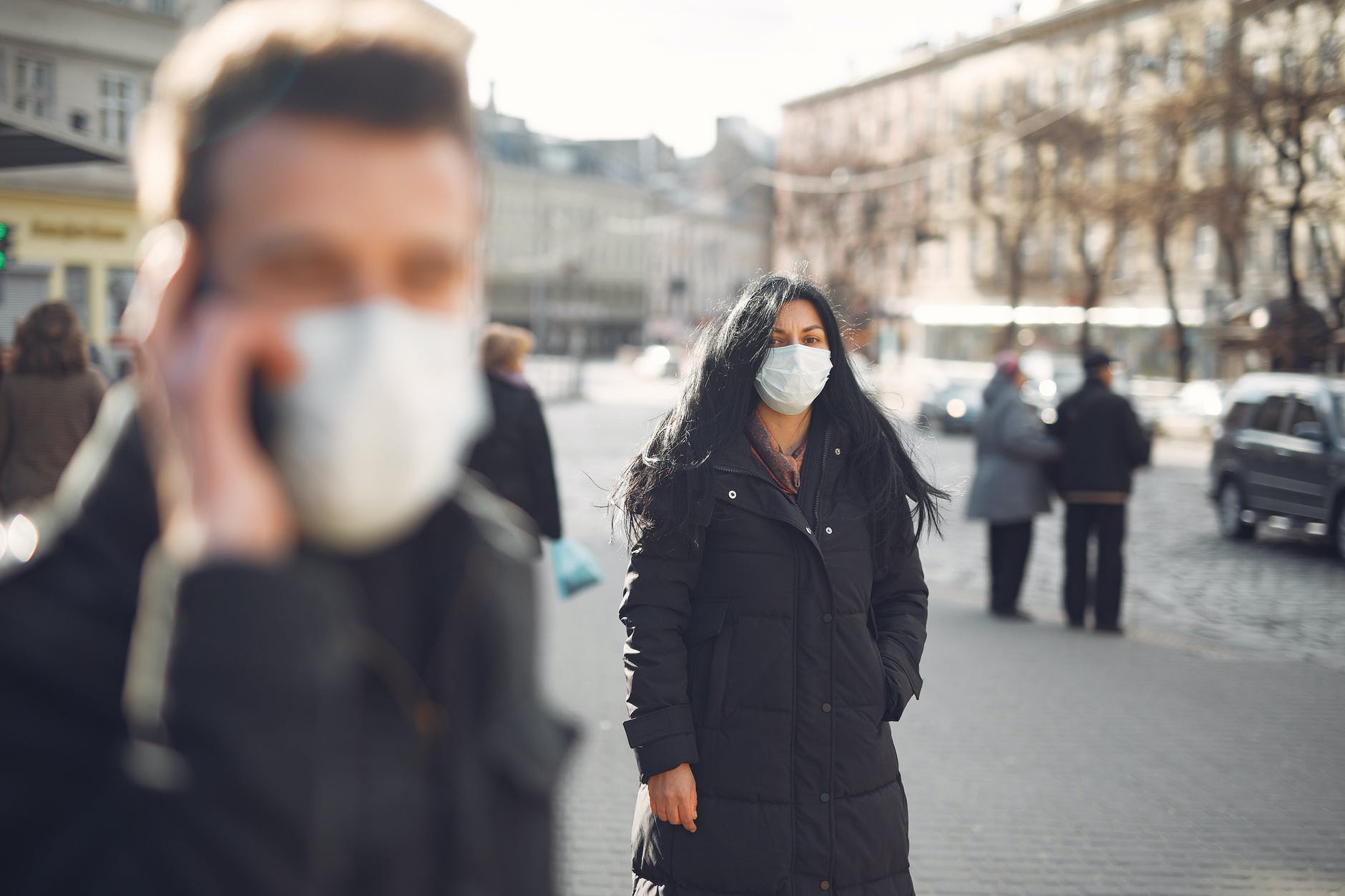
By Hunter Kessous The COVID-19 pandemic has turned the world upside down, so it is unsurprising that gender-based violence (GBV), including female genital cutting (FGC), has also been affected. Hidden Scars and Magool came together to co-host the Africa Led Movement Webinar series. In May, I had the pleasure of attending the second part of […]
FGM/C in sports: Why some female athletes are being coerced into partial clitoridectomy

By Zahra Qaiyumi Imagine you are a professional female athlete who is told that you must agree to undergo a partial clitoridectomy in order to continue participating in your sport. This might sound like a far-fetched scenario, but due to an International Olympic Committee (IOC) policy, this is a reality for some hyperandrogenic athletes. Partial […]
Voices Series: The power of naming

This blog is part of a series of reflective essays by participants of the Voices to End FGM/C workshops run by Sahiyo and StoryCenter. Through residential and online workshops on digital storytelling, Voices to End FGM/C enables those who have been affected by female genital mutilation/cutting to tell their stories through their own perspectives, in their own words. by Comfort Dondo […]
For survivors and their doctors: An online tool about female genital cutting
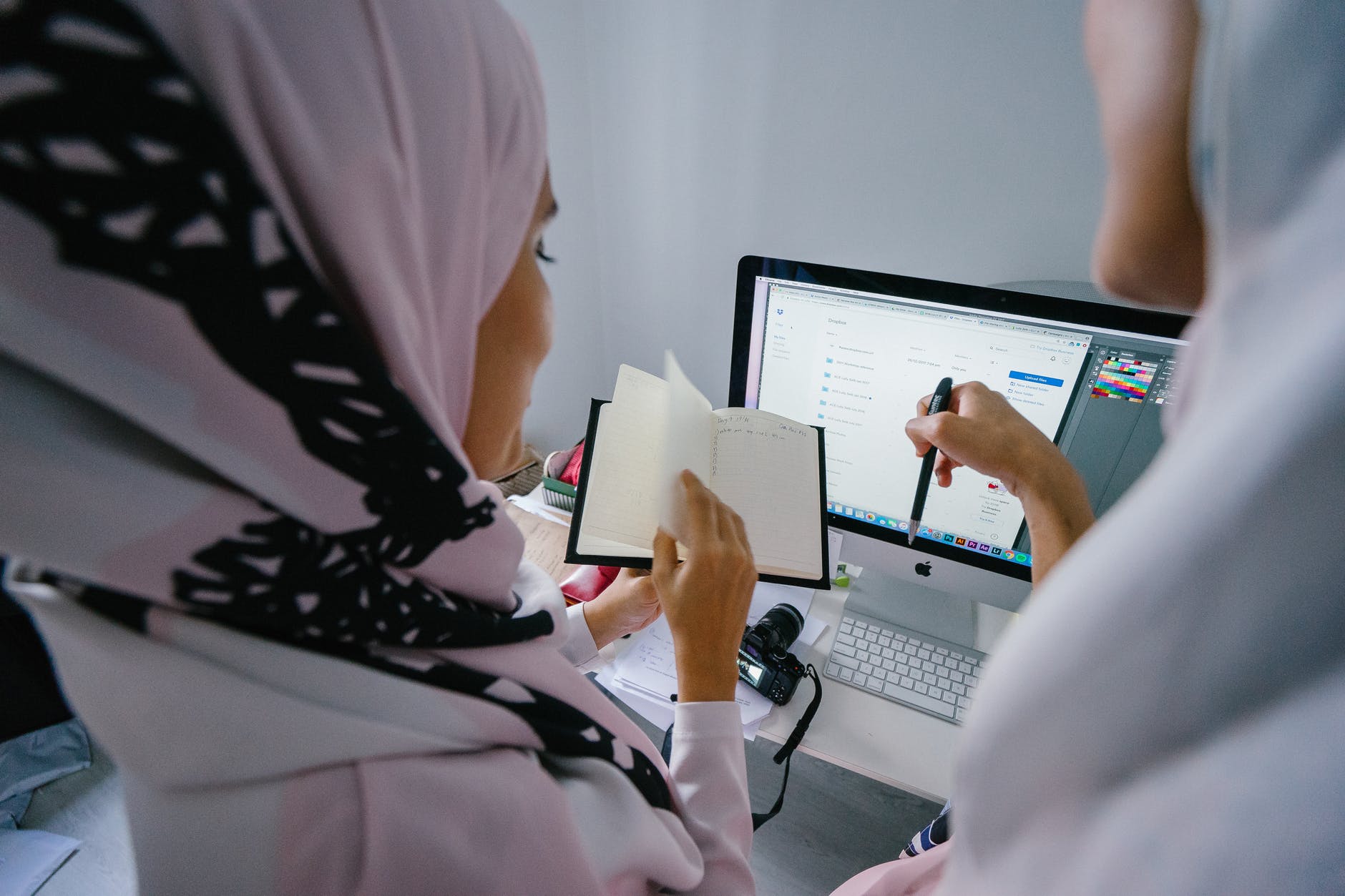
By Brionna Wiggins One day, fifteen years ago, while Karen McDonnell was teaching reproductive health at George Washington University (GWU), a student of hers was absent from the class. While that may not seem out of the ordinary, it was quite strange for this particular student. He was a diligent medical doctor from Guinea who […]
Locating female genital cutting through films and documentaries
By Debangana Chatterjee Though films and documentaries related to female genital cutting (FGC) promise to uphold the realities surrounding the subject, there are undeniable strings of subjective interpretations attached to them. Thus, rather than becoming ‘real’, these films and documentaries transpire as the reel portrayal of realities. Desert Flower, a 2009 German production is the […]
Why female genital cutting still continues: Exploring the reasons behind its sustenance

By Debangana Chatterjee The reasons why female genital cutting (FGC) continues are multifarious and overlapping. Complex and interconnected sets of reasons for FGC are woven into the faiths of the communities. Thus, faith becomes the genesis of these reasons, making FGC considered to be beneficial by the communities. These reasons can be broadly grouped as traditional, […]
A Nigerian Nurse’s Perspective on Female Genital Cutting
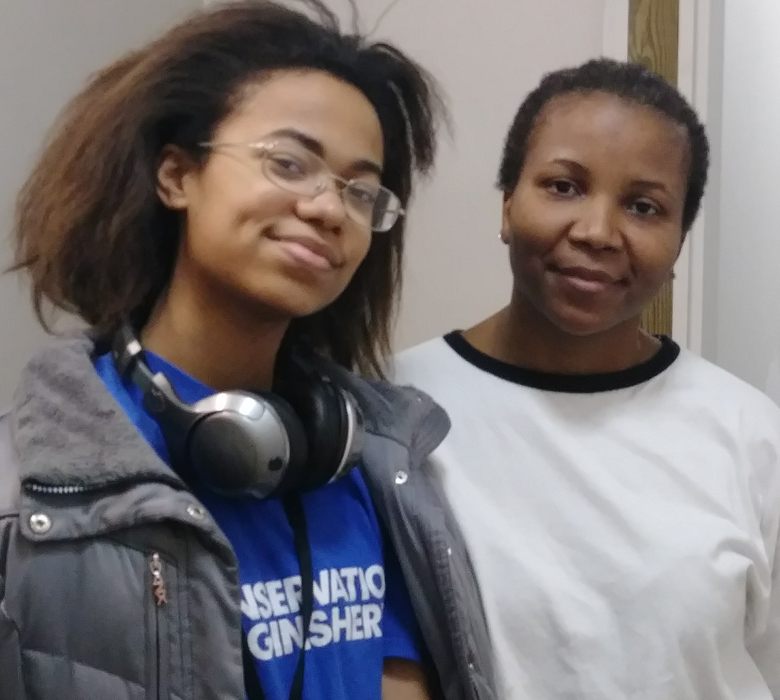
By Brionna Wiggins Female genital cutting (FGC) occurs in many countries around the world. Through my future posts, I hope to explore a few of these places by meeting with those who can speak on them. Many African countries and countries in the Middle East have been reported to have a large concentration of practicing […]
Reflecting before we move forward: Overview of global FGC news from 2018

For everyone invested in laws and norms around the practices of FGC, 2018 was an incredibly eventful year. On January 22nd, Ellen Johnson Sirleaf, former Liberian president and first female head of state in Africa, on her last day in office, signed an executive order to ban FGC for a year. Over half of Liberian […]