

Sahiyo collaborates further with Asian Women’s Shelter to support Survivors

Since January 2022, Sahiyo has been in collaboration with Asian Women’s Shelter (AWS) to increase capacity of services for survivors of female genital cutting (FGC). In June, Sahiyo conitnued with trainings on FGC for the AWS staff and volunteers to help educate their organization on the context of FGC in the United Stataes, who FGC […]
Sahiyo U.S. joins South Asian SOAR as member organization

Sahiyo U.S. is grateful to be welcomed as one of the newest member organizations of South Asian SOAR, a U.S.-based coalition working to end gender-based violence (GBV) in the South Asian diaspora. SOAR is a national collective of survivors, 30+ organizations, and allies who are passionate about changing the high prevalence of GBV among South […]
Sahiyo presents at the MACA Conference

On May 10th, Sahiyo presented at the 12th Annual Massachusetts Children’s Alliance Conference. In attendance were over 200 multidisciplinary child abuse professionals from across the state. Sahiyo cofounder, Mariya Taher, partnered with Mildrine Tulysse, a Massachusetts Pediatric Sexual Assault Nurse Examiner, to provide information about the realities of female genital cutting (FGC) in the state […]
Sahiyo speaks at the ABA International Law Section Annual Conference

On April 28th, Sahiyo was invited to take part in a panel discussion at the 2022 ABA International Law Section’s Annual Conference being held in Washington D.C. The panel brought together a legal practitioner, journalist, and activist working towards gender equality and the elimination of FGC to discuss legal tools and other measures that have […]
Sahiyo hosts Asian Women’s Shelter training

On March 24th, 2022 Sahiyo hosted an inaugural training on female genital cutting (FGC) for Asian Women’s Shelter staff and their crisis line counselors who operate their hotline for have undergone or experienced domestic violence or sexual assault. This training created by Sahiyo provided a basic overview of FGC, including what it is, who it […]
Sahiyo U.S. Advisory Board spotlight: Zahra Qaiyumi

Zahra is a 4th year medical student at Quinnipiac University in Connecticut. She is interested in the role of health care providers in caring for those affected by the practice, and as such is involved with developing training for resident physicians on surgical care that improves quality of life and health outcomes in the most […]
Sahiyo’s first Youth Meeting

This March, Sahiyo conducted its first ever Sahiyo Youth Meeting. Young activists are an essential part of the movement to end FGC, as they offer a fresh perspective and are eager to challenge gender norms and harmful cultural practices. Acknowledging this, volunteer Hunter Kessous started an initiative to create a supportive network of Sahiyo youth. […]
DC’s “Female Genital Mutilation Prohibition Act of 2021”
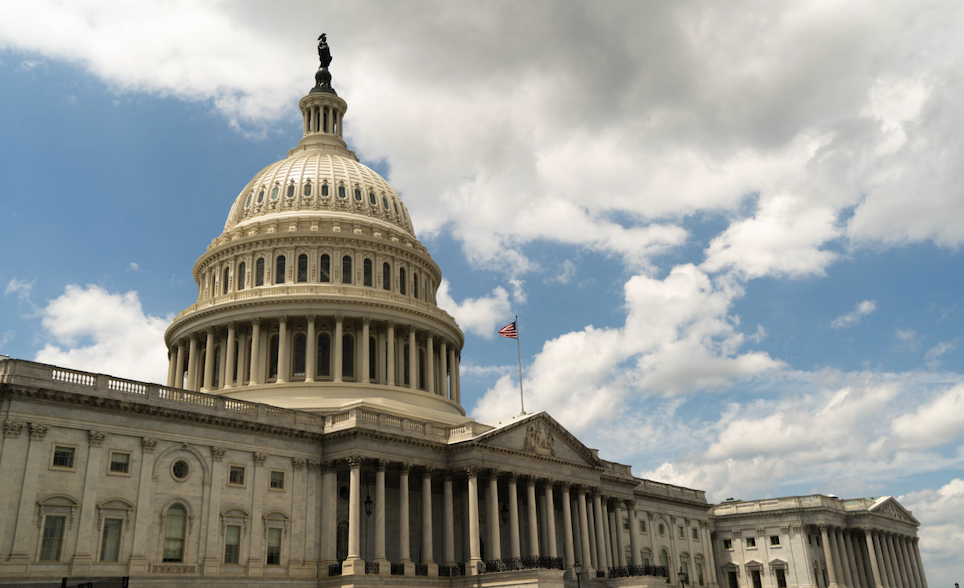
On February 28th, Councilmember Charles Allen, Chairperson of the Committee on the Judiciary and Public Safety, convened a public hearing to consider Washington DC District Bill 24-0516, the “Female Genital Mutilation Prohibition Act of 2021.” The stated purpose of the “Female Genital Mutilation Prohibition Act of 2021” is to prohibit the female genital mutilation/cutting (FGM/C) […]
Sahiyo India holds guest lecture for students in Mumbai

On March 5th, in the run up to International Women’s Day, Sahiyo India was invited to hold a guest lecture on female fenital cutting (FGC) for first-year students of Mumbai’s BMN Women’s College of Home Science; this screening was held in association with Muse Foundation. Sahiyo co-founder Aarefa Johari conducted the online session, which had […]
Consent and gender imbalance: their role in female genital cutting

By Urvashi Sharma In an article written by bioethicist and philosopher Brian D. Earp, he comments on the argument presented by Richard Shweder that childhood female genital cutting (FGC) should be legalized in order to balance acceptance of childhood male genital cutting (circumcision) in many communities. In contrast to Shweder’s argument, Earp believes male and […]