- +1 508-263-0112
- info@sahiyo.org
- 45 Prospect Street, Cambridge, MA, 02139
Since its founding in 2015, Sahiyo has supported policy work to address female genital cutting (FGC) at the global, national, state, and local levels. We recognize that in order to achieve wide-scale abandonment of FGC and support survivors, policies and laws should be informed by and created in partnership with communities impacted by female genital cutting.
To educate frontline professionals, lawmakers, and constituents with the goal of creating state-level coalitions that are supportive of policy-level change to address FGC.
To uplift and include the voices of survivors in educating policy-makers
To increase civic engagement in policy processes and ensure that impacted communities have a voice in the policies that are created.
Laws can act as mechanisms to shape a community or individual’s behavior. As FGC is often considered a social norm in practicing communities, laws against FGC may prevent the practice. Policies can thus serve as educational tools, deterrents, influencers for communal social behavior change, and prevention mechanisms.
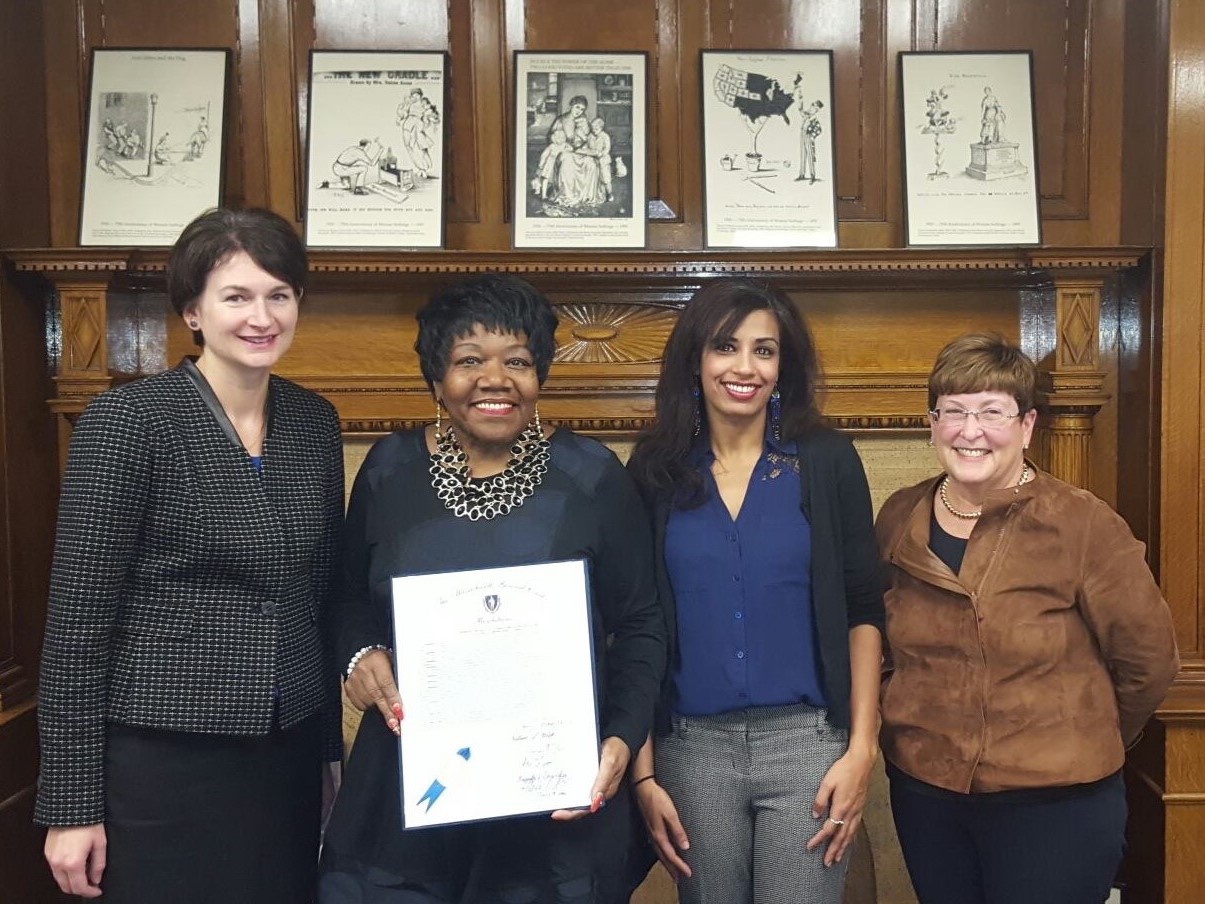
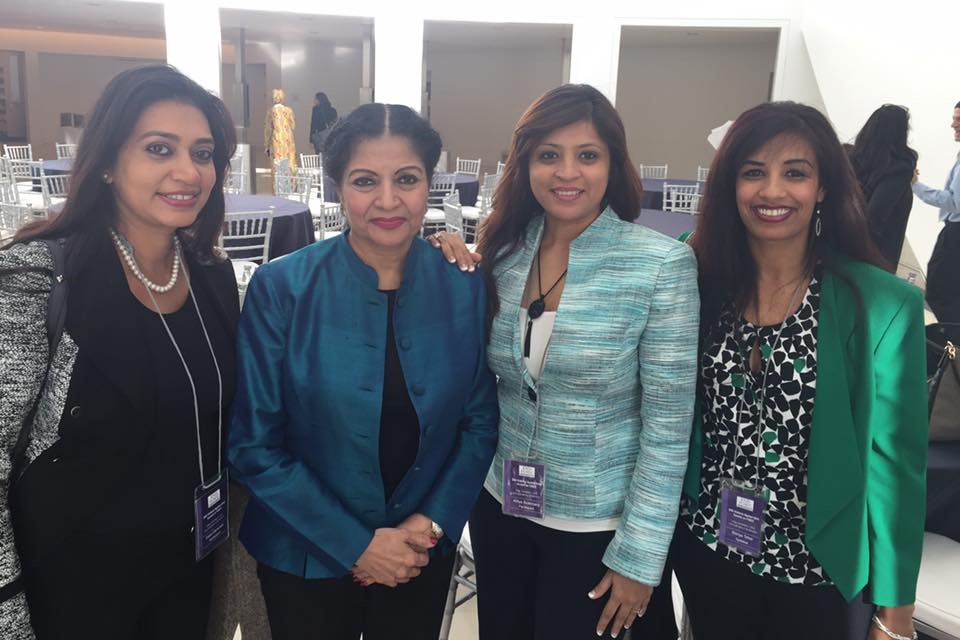
Sahiyo begins a partnership with the Women’s Bar Association of MA & supports the creation of the MA Coalition to End FGM/C.
Sahiyo is a founding member of the Global Platform for Action to End FGM/C to advocate for and support to prevent and end FGC.
New York City establishes an FGM/C Advisory Committee under Local Law 109. Sahiyo’s co-founder and executive director, Mariya Taher, sits on the committee.
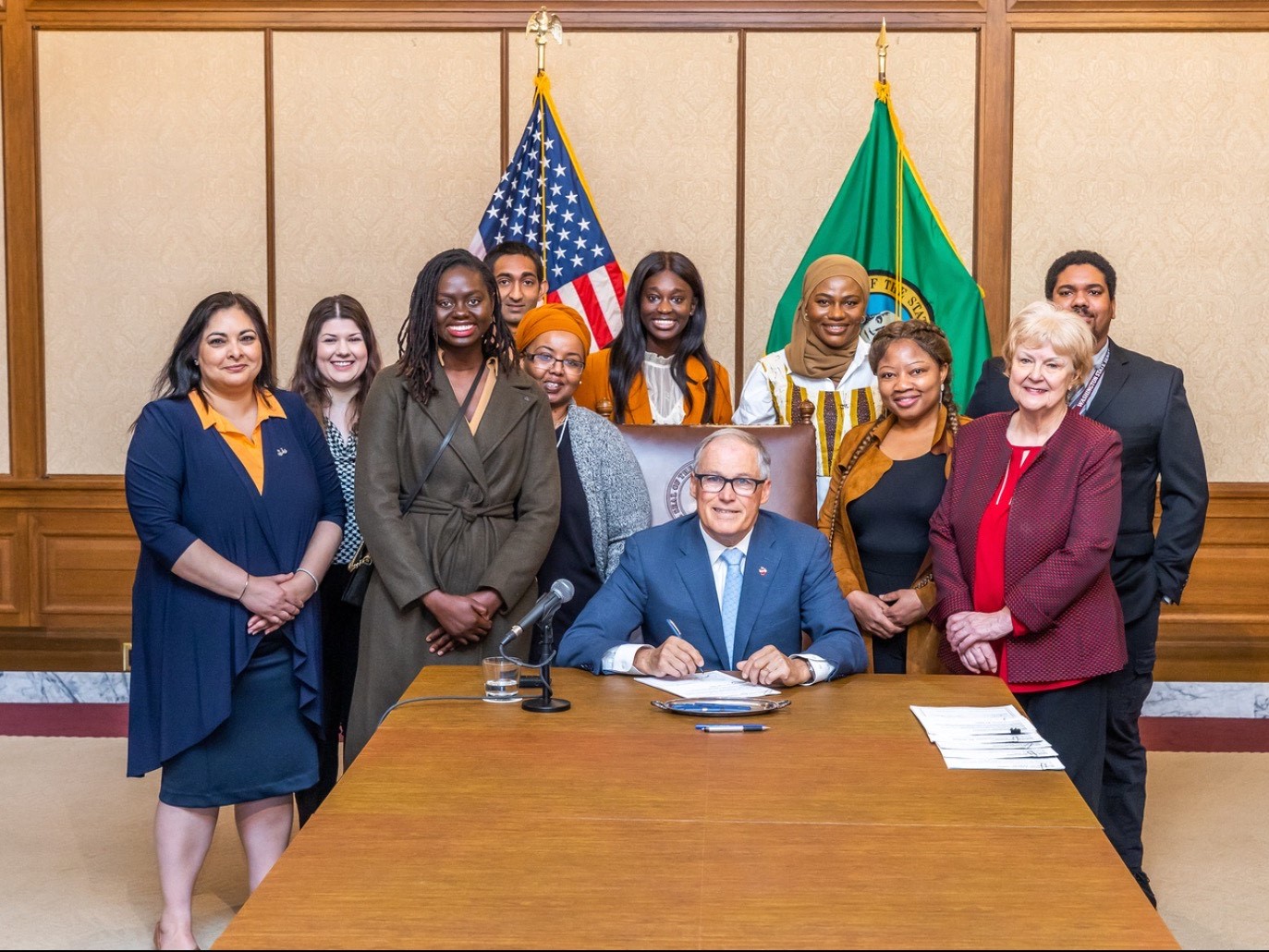
Sahiyo supports the formation of the Washington Coalition to End FGM/C, uniting survivors, advocates, and community organizations.
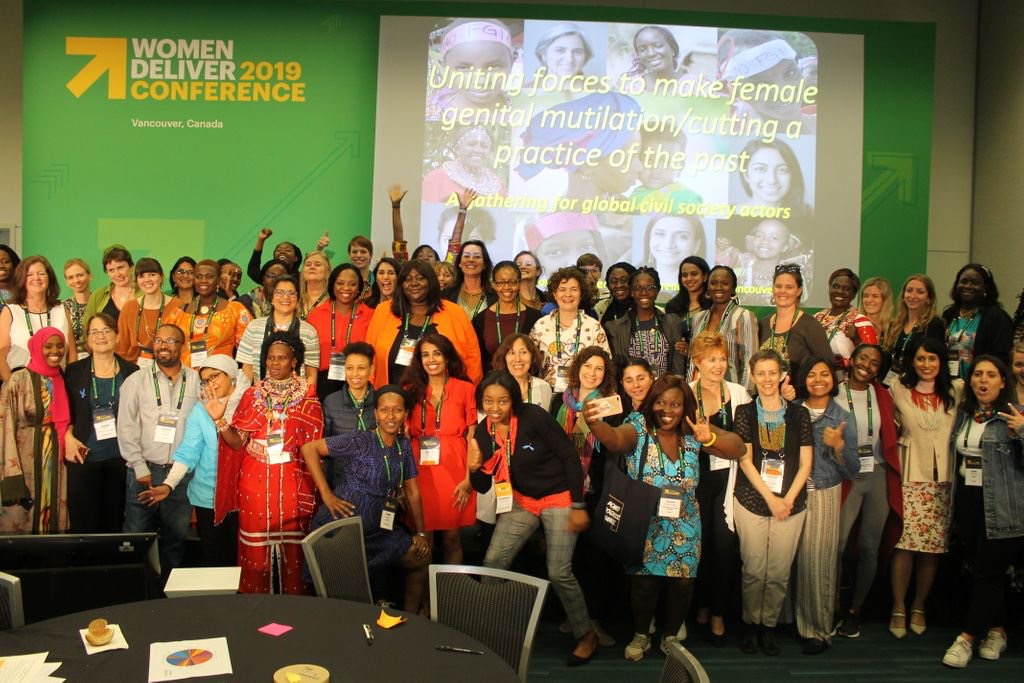
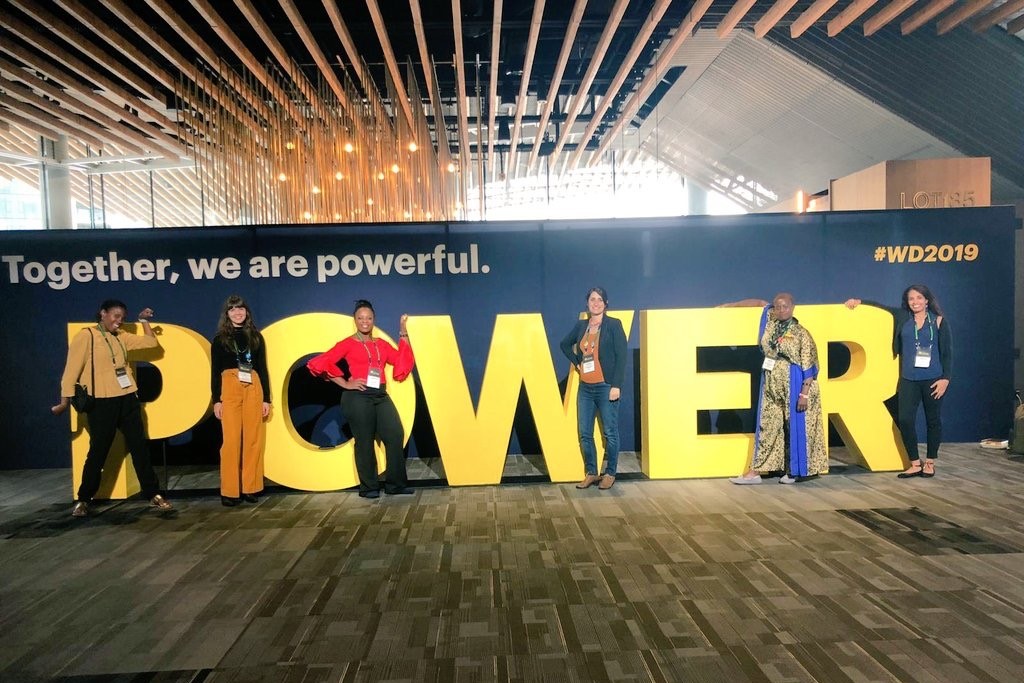
The Global Platform for Action to End FGM/C, of which Sahiyo is a founding member, is a consortium of civil society organizations, champions, survivors, and grassroots representatives united in a singular mission: to advocate and support the abandonment and prevention of FGM/C. The coalition was formed in June 2019 when now members came together at the 2019 Women Deliver conference to develop a global Call to Action to end FGM/C.
Read more:
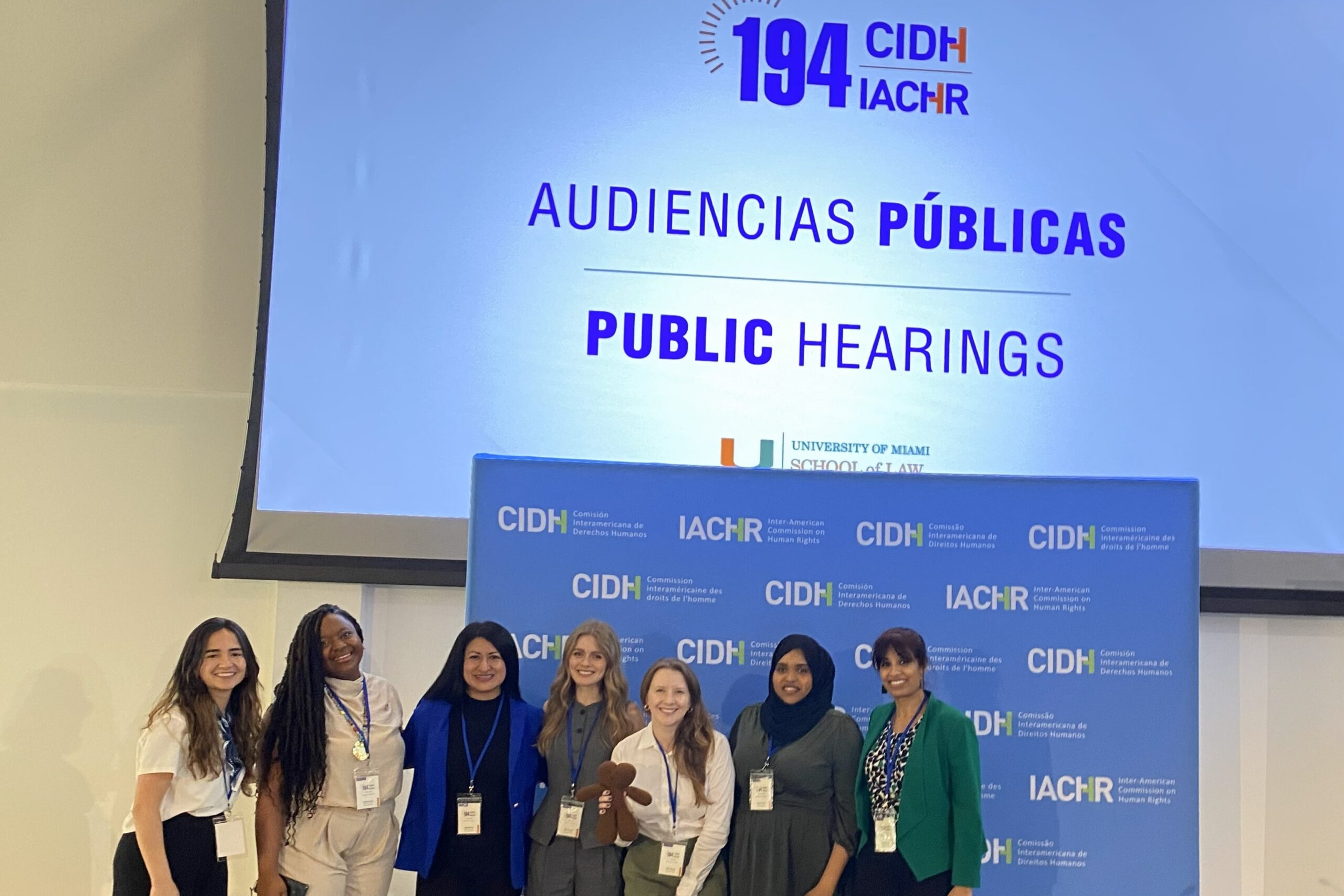
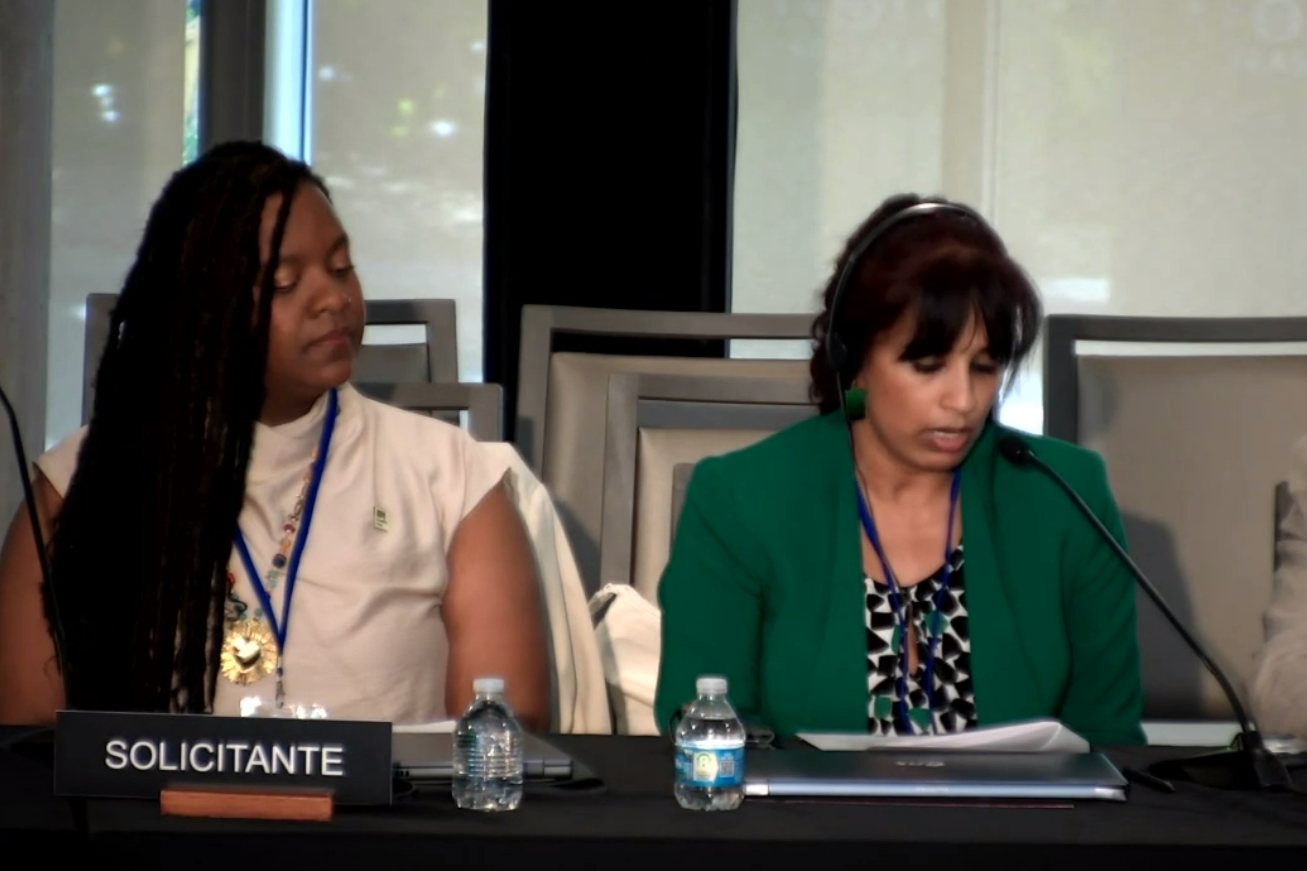
Launched on February 6, 2025, the Americas Alliance, of which Sahiyo is a founding member, serves as a coalition of organizations, governments, researchers, activists, and survivor advocacy groups, dedicated to ending FGM/C across the Americas. Recognizing FGM/C as a severe violation of human rights and a form of gender-based violence (GBV), the Alliance unifies efforts to support survivors, enhance prevention strategies, and promote gender equality throughout the region.
Read More:
Sahiyo has supported advocacy at the national level in the U.S. and other countries, including India. We also make space for FGC-impacted communities to reflect on the political situations surrounding FGC laws and/or lack of laws in specific country contexts. Often, what is happening at the political level can feel out of one’s control, such as what occurred when the 1996 U.S. Federal Law on FGC was ruled unconstitutional. Building collective spaces that are safe to engage in these topics can provide community-wide healing for those impacted by FGC, and can also be vital to continuing civil advocacy on such topics.
Check out our “Know Your Rights” resources intended to support individuals at risk and survivors of FGM/C understand their legal protections and the support options available in their state, including information on federal and state laws, support groups, and health services. This resource is intended to be easily accessible to support individuals’ health, healing, and legal knowledge.
Read More:
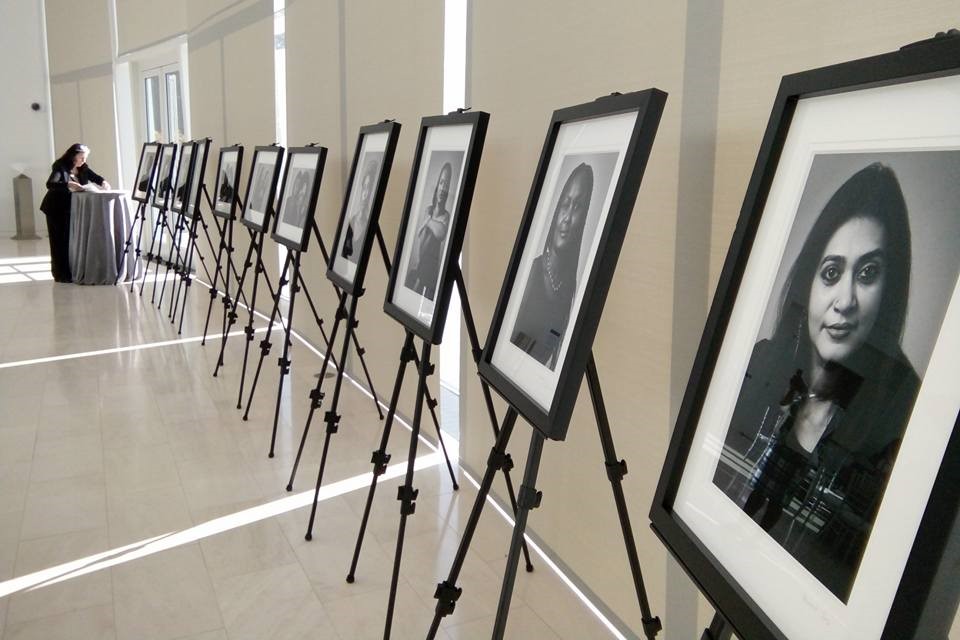
Sahiyo has led state-level work, including building survivor and community-led coalitions in Massachusetts, Connecticut, Washington, California, Hawaii, and DC, Maryland, and Virginia (DMV) to raise awareness and education on FGC and the need for comprehensive state-level policy. Sahiyo has also engaged in grassroots advocacy to encourage FGC-impacted communities and survivors to get involved in policy efforts; hosted educational events and roundtable gatherings; and educated policy-makers on how to build culturally sensitive policies that do more than criminalize. This can include provisions for civil remedies for survivors, as well as education and outreach opportunities for impacted communities and frontline professionals like healthcare providers who may come in contact with at-risk children and/or survivors.
Read More: