By: Khushi Prakash
On August 17th, Sahiyo in collaboration with The U.S. End FGM/C Network hosted “Navigating the System: FGM/C Survivor Experiences and the Political Dynamics of Advocacy,” a webinar that gave a deeper perspective on the experiences of survivors of female genital mutilation/cutting (FGM/C) who have engaged in the political advocacy process within the United States.
The webinar also highlighted findings from Sahiyo’s Survivor Listening Session Report, which documents survivor perspectives on participating in FGM/C policy advocacy and identifies opportunities to make advocacy spaces more supportive, accessible, and trauma-informed.
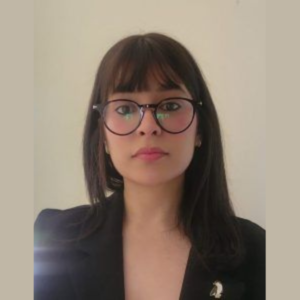
One of our speakers, Simenesh Comollo, a domestic violence advocate and FGM/C survivor, joined the webinar and shared in more depth her reflections regarding her personal moments of navigating the policy advocacy space.
1. Could you share your background and what experiences you have engaging in policy work when it comes to addressing FGM/C? Could you share a few examples?
First and foremost, I am a survivor of FGM/C. I first learned about FGM/C in the U.S. context about three years ago, when I was working as a survivor specialist in the human trafficking field. Since then, I have continued to learn about FGM/C and become involved in advocacy efforts. I have testified once or twice, participated in webinars and coalition discussions focused on ending FGM/C, and used my social media platforms to raise awareness and speak about the issue.
2. What forms of advocacy beyond public testimony can be meaningful and effective?
For me personally, I think advocacy goes beyond public testimony. As survivors, we are often balancing work, family, and everyday life, so it can be difficult to fully engage in understanding the laws around FGM/C—especially here in Connecticut.
I think it would be very helpful for survivors to have more education about what the current laws say, who supports them, who may oppose them, what barriers are preventing legislation from passing, which legislators have the ability to influence those changes, and how the language of the legislation is written.
When survivors understand that process, they can bring their personal experiences to advocacy in a way that is even more powerful. Our lived experiences are important, but having the knowledge and tools to understand how policy is created and changed can help us advocate more effectively and make sure our voices are part of the solution.
3. How can the findings from this report inform future FGM/C advocacy efforts at the state and federal levels?
I would want the findings from the report to help identify gaps in current laws, services, education, and support for survivors. I think the lived experiences of survivors should be an important part of determining what needs to change.
At both the state and federal levels, the findings can help advocates and policymakers understand where additional education, resources, protections, and support are needed. Most importantly, I believe survivors should have a meaningful role in shaping those conversations and helping determine what effective change looks like.
4. What does trauma-informed policy engagement look like in practice?
I believe participating in policy and advocacy can open up a lot of vulnerabilities for survivors. For me, trauma-informed policy engagement means recognizing that asking someone to testify or repeatedly share painful experiences does not necessarily bring closure or healing. Sometimes, it can reopen wounds.
I understand that survivors’ voices are important and that lived experience can be powerful in helping move legislation forward. At the same time, asking survivors to tell their stories over and over again, year after year, is not necessarily a healthy or sustainable approach to advocacy.
Everyone heals differently. Some survivors may feel comfortable speaking publicly about their experiences, while for others, talking about the past can bring back painful memories and emotions. Trauma-informed advocacy should respect those differences and give survivors choices about how, when, and how often they participate.
Survivors should not have to continually relive their trauma in order for policymakers to listen. Their voices should be valued, but their well-being should be valued too.
5. What should legislators and staff understand before hearing testimony from survivors of violence?
I think there are several things legislators and their staff should understand before hearing testimony from survivors of violence. First, they should take the time to educate themselves about FGM/C beforehand. Survivors should not have to walk into a room and explain something that policymakers could have already taken the time to learn about. They should understand what FGM/C is, its impact, and why it is an important policy issue.
I also believe survivors should not be viewed simply as someone coming in to share a “sad story.” A survivor who is willing to speak about their experience is demonstrating tremendous courage and resilience. Their testimony is not just a story about what happened to them—it is expertise based on lived experience.
Legislators may be the experts when it comes to laws and policy, but survivors are the experts on their own lives and on the impact FGM/C has had on them. That lived experience should be respected and valued as an important part of creating effective and meaningful laws.
6. Are there ways that NGOs or community-based organizations could reduce the emotional burden placed on survivors in advocacy spaces?
I understand and appreciate that NGOs and community-based organizations exist to help end FGM/C in all forms, educate lawmakers and the public, advocate for survivors, and provide safe spaces and support. I believe that work is extremely important, and I personally believe in advocacy and want to use my voice to create change.
At the same time, I think organizations need to recognize that survivors need space and that not every survivor wants to talk about their experiences or share their story publicly. Advocacy can be very sensitive and emotional, and we have to be careful not to make survivors feel like they have to continually tell their stories in order to be heard or to support the movement.
One way organizations can reduce that burden is by respecting survivors’ boundaries and giving them choices about how they participate. Sometimes supporting a survivor means giving them the opportunity to speak, but sometimes it means allowing them to step back and simply receive support.
I think we can continue to advocate strongly for change while also making sure that survivors are not carrying the emotional weight of that advocacy alone.
7. What might be helpful in terms of preparing survivors before they testify or meet with legislators?
I think preparation should begin with making sure survivors understand that they have choices. They should know what to expect before they testify or meet with legislators, what will be asked of them, and what their role will be.
I also think survivors should be reminded that they do not have to share anything they are uncomfortable sharing. Preparing someone for advocacy should not mean preparing them to relive their trauma. It should mean giving them information, support, and the confidence to decide what they want to share and how they want to participate.
Organizations can also help by respecting boundaries and checking in with survivors before and after these experiences. The goal should be for survivors to feel supported and empowered, rather than feeling like they are carrying the responsibility of changing the law by themselves.
8. What changes are needed to make legislative spaces more accessible, respectful, and responsive?
I think legislative spaces need to recognize that survivors are not simply people coming in to tell a story. They are experts in their own lived experiences, and their voices should be treated with the same respect and seriousness as other forms of expertise.
Legislative spaces should also make it easier for survivors to participate in different ways. Not everyone will be comfortable giving public testimony, and advocacy should not depend on someone’s willingness to repeatedly share painful experiences.
There should be opportunities for survivors to provide input through meetings, written statements, education, community conversations, or other forms of advocacy. Most importantly, survivors should feel that their boundaries are respected and that their well-being matters.
If we want survivors to continue participating in advocacy, we have to create spaces where they feel heard, respected, and safe—not spaces where they feel pressured to repeatedly reopen wounds in order to create change
For more information and resources from the webinar, please see below.
- Webinar Recording: https://bit.ly/NavigatingtheSystem
- Listening Session Report: https://bit.ly/SahiyoListeningReport
- Presentation Slides: https://bit.ly/NavigatingSystemSlides
- Policy Advocate Care Fund Information Session – October 8: Register here: https://endfgmnetwork.org/pacf-infosession/
- Apply to the Policy Advocate Care Fund: https://endfgmnetwork.org/policy-advocate-care-fund/
- Voices to End FGM/C: https://www.voicestoendfgmc.org/