In December 2025, Sahiyo will celebrate its 10th anniversary, and we’re hosting a campaign to mark the occasion! Starting in July and running through December, we will be highlighting each of our programs, reflecting on our accomplishments, and planning for the future.
This month, we’re focusing on and talking to past Sahiyo Activists Retreat attendees. Each year, Sahiyo brings together community-based individuals who are involved in or hope to be involved in anti-FGC activism, so they can be in a safe and supportive space where they can engage in meaningful discussions and strengthen efforts to eliminate this form of gender-based violence. The retreats include educational programs, self-care activities, and presentations from advocates engaged in anti-FGC advocacy initiatives in their communities.
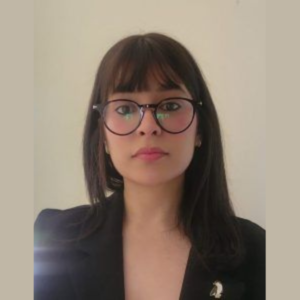
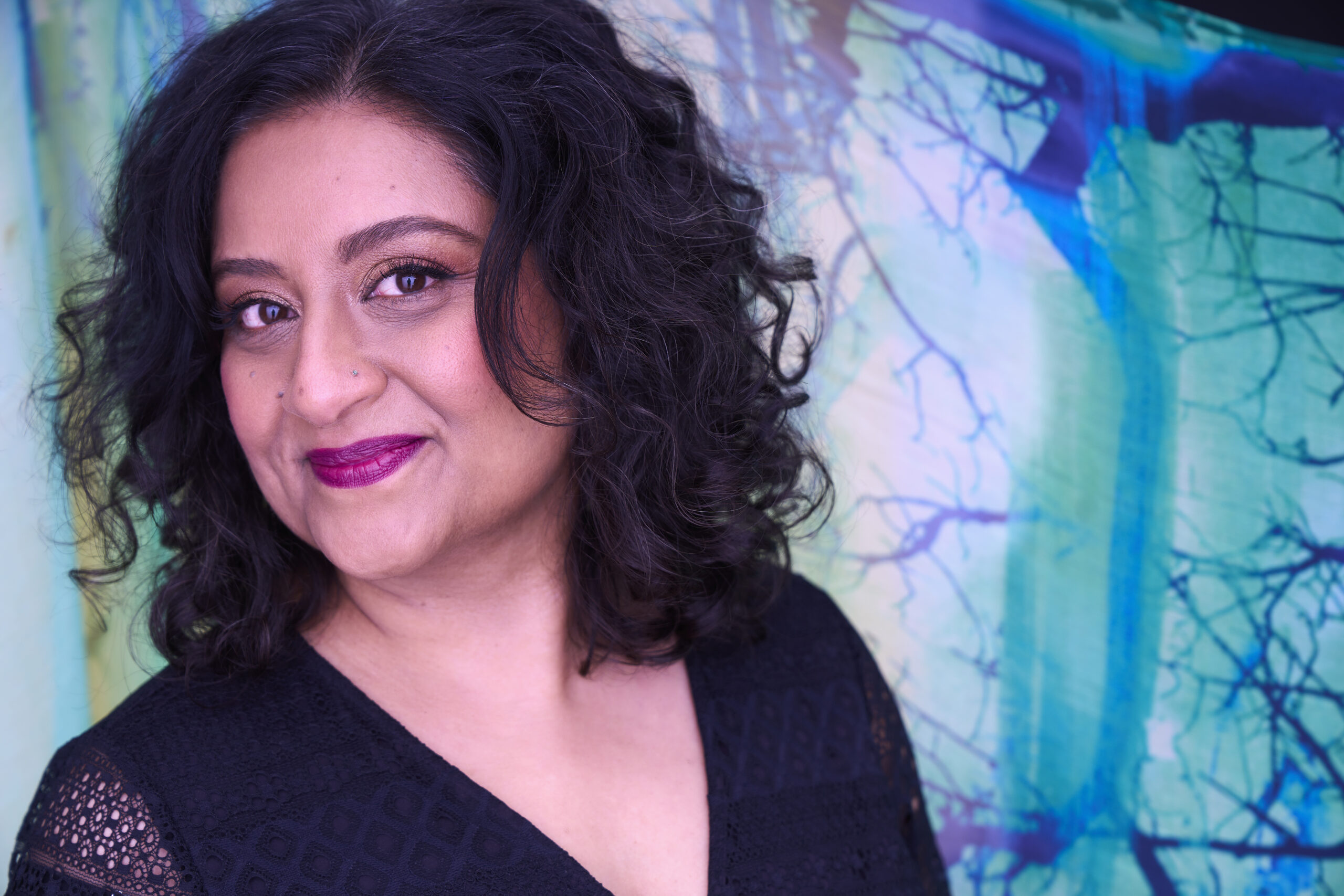
Recently, we spoke to past attendee Farzana Doctor — a writer, activist, psychotherapist, and Sahiyo blog contributor — about her experiences.
By: Farzana Doctor
- What Activists Retreat did you attend?
I attended an in-person retreat in New York in 2019. If you’d like to know more about my experience, check out the blog post I wrote shortly after attending the retreat.
- What prompted you to attend the retreat? Can you talk about what drew you to this program, and if attending the retreat met your expectations?
I felt “pulled” to attend. I’d been doing activism with WeSpeakOut since 2015, but hadn’t been to a retreat like this before. I wasn’t sure what to expect, but being in the presence of a roomful of Bohra FGM/C survivors was both a difficult and healing experience. I came home and reflected on the new insights and feelings that had arisen during my time at the retreat.
- What words come to mind when you think about the Activists Retreat project and your experience with it?
Community connections: Before the retreat, I knew some of my fellow activists by name only or from minimal online interactions. The in-person meeting made me feel more connected to this community of activists.
- What was the most memorable/ or your favorite aspect of the Activists Retreat you attended?
I recall listening to a story that had some similar themes to my own, and that felt validating. Often, there can be similar narratives amongst FGM/C survivors who are comfortable being “on stage” (for example, explicit versus implicit memories; connection to more orthodox families versus being part of more agnostic Bohra families). While I appreciated them sharing, I didn’t relate to their narratives. So, when I heard a story similar to mine, it came almost as a surprise, and a relief.
- Did you form any connections with the other retreat participants?
I formed deeper connections with a couple of participants I’d already known, and I still keep in touch with them. I’m Facebook friends with a few others as well.
- How has your experience at the Activists Retreat changed or impacted your life?
I think the retreat helped me to feel more grounded in my experience of being a survivor of FGM/C. It also triggered a lot of feelings and helped me recognize the need to return to therapy. Trauma is an isolating and disorienting experience, while coming together with others can be grounding and healing.
- Why do you think retreats like the Sahiyo Activists Retreat are important in the activist and advocacy field?
These retreats offer an opportunity for participants to talk about a highly silenced topic, with people who have very similar stories, in a safe place.
- As we celebrate 10 years, what makes you most proud to be a part of this program?
I’m proud that I took the leap to attend. It wasn’t an easy experience, but a very helpful one for my healing.