In December 2025, Sahiyo will celebrate its 10th anniversary, and we’re hosting a campaign to mark the occasion! Starting in July and running through December, we will be highlighting each of our programs, reflecting on our accomplishments, and planning for the future.
This month, we are highlighting Sahiyo’s male allies program, Bhaiyo. Bhaiyo is a resource and avenue for men to become involved in raising awareness on FGC and work toward supporting survivors and prevention for future generations.
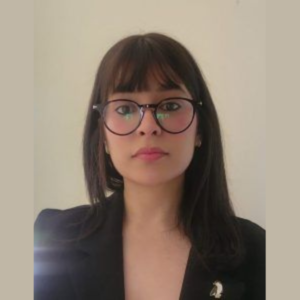
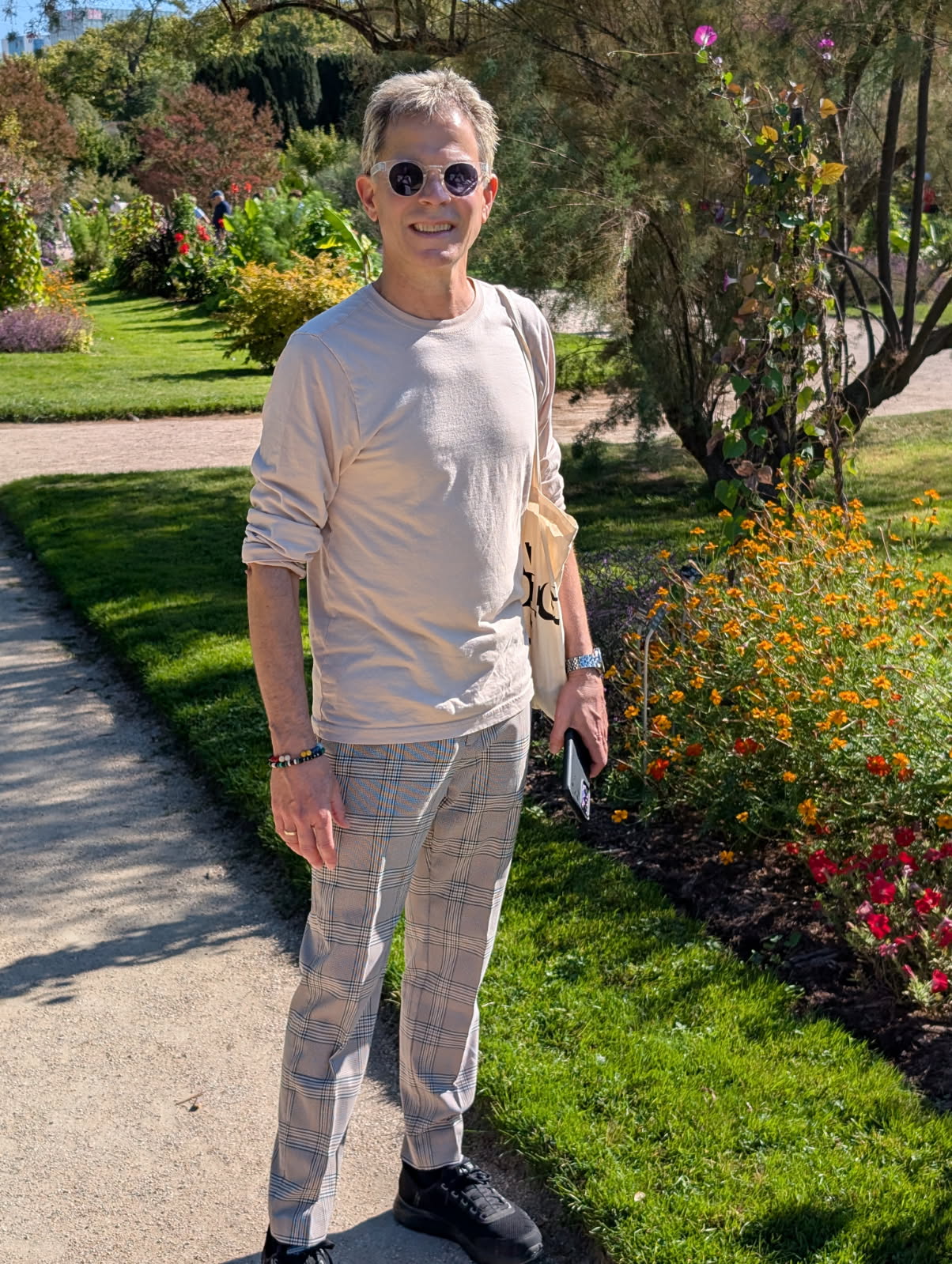
Below, Brad Mazon, PhD, a Bhaiyo volunteer, nonprofit consultant, husband, father, and advocate against female genital mutilation/cutting worldwide, reflects on his involvement with the program.
By: Brad Mazon
1. How have you supported or taken part in the Bhaiyo program over the years?
My involvement with both Bhaiyo and Sahiyo began two years ago when I was a donor for the 2023 Silent Auction and Comedy Show. But I’ve been involved with the movement to end FGC since the 80s when I was an intern at the U.S. State Department in Somalia. I’ve also participated in several webinars designed to bring men into the conversation surrounding FGC, and I’m active on social media, posting and engaging with this issue.
2. Is there a project that you worked on, or a campaign that you helped with as a Bhaiyo, volunteer that you are particularly proud of?
I was proud to contribute to the Silent Auction and support that great event. I’ve also been interviewed for Sahiyo’s blog and contributed two pieces about positive masculinity versus toxic masculinity and how it affects this movement.
I think, though, what I’m most proud of is how Bhaiyo has connected me with other men involved in this movement. To be able to speak with the men working on the front lines who are actively making efforts to end this harmful practice every day has been incredibly inspiring and humbling.
3. How has Bhaiyo helped the movement to end FGC?
I think that the way Bhaiyo connects male activities to a larger community of people is really powerful. My perspective is probably a bit skewed here in the United States – sometimes it can feel like all we’re doing is having conversations – but those conversations are probably extremely important to an activist in India, in the continent of Africa, or any place where he feels like he’s doing this on his own.
I think bringing men into this conversation is a critical part of the success of this movement, because right now, there are a lot of men who don’t feel like they can be a part of the solution to this problem. The most important thing, obviously, is that the women and girls who have gone through this are heard and empowered, but having men involved would only amplify their voices, I feel.
4. How has being a Bhaiyo volunteer impacted your own life?
Being a Bhaiyo volunteer has made me reflect on and think about my own relationship with masculinity, how I can exemplify positive masculinity, and be a role model for other men and boys. I think that’s a critical step because if we’re able to show boys at a young age that treating girls – or anyone – with respect and kindness is what being a man is about, I think that could have a tremendous impact on the future.
Being a volunteer and working in this space also makes me reflect on my own life circumstances. I have a seven-year-old granddaughter, and I think about how terrified I’d be if I lived in a place where my sweet, beautiful granddaughter would be cut, and how I would never permit that to happen.
It also made me reflect on my own childhood. I was raised by a single mother, and I wonder if she would have been able to provide and support me if she had been cut and subjected to that.
I think it’s important to put yourself in the other person’s shoes. How would you feel if this were happening to your daughter, your sister, your wife, your friend? How would you act if it were?
5. What have you learned about FGC and gender-based violence through your experiences as a Bhaiyo volunteer?
One of the things I learned is how important it is to frame FGC in the context of gender-based violence. There’s already a lot of messaging and public understanding of what gender-based violence and domestic violence are, so if we put FGC under that umbrella term, it’s easier for folks to see the practice as the violent act that it is. But also that the linkage between FGC and violence against women and girls is so important in advocacy and legislation. When we’re talking about bills and laws that protect women from different types of violence, FGC must be included in that list.
6. How would you like to see Bhaiyo grow in the next ten years?
I think there are many ways that Bhaiyo can expand. I’d like to see the number of volunteers and the amount of outreach grow. I think we need more people in the government sector involved in this program, so maybe asking some officials who we’ve worked with in the past to become honorary Bhaiyos as a way to expand our community. I also think that having a toolkit about how men can engage in conversations about FGC would be great, because oftentimes, not knowing how to talk about it is what stops men from getting involved.
Ultimately, I’d like to see Bhaiyo engage with more folks, because it’s a great and important part of this movement to end FGC.