Finding My Voice, Cohort 1, 2018
In December 2025, Sahiyo will celebrate its 10th anniversary, and we’re hosting a campaign to mark the occasion! Starting in July and running through December, we will be highlighting each of our programs, reflecting on our accomplishments, and planning for the future.
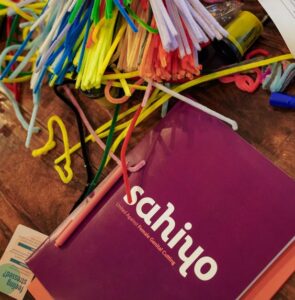
This month, we are highlighting Sahiyo’s Voices to End FGM/C program. The program aims to mobilize a critical mass of storytellers and activists from across the globe by bringing people together to share and heal from their experiences of female genital mutilation/cutting (FGM/C), connect and grow as leaders in their own communities, and create short videos calling for an end to this harmful practice.
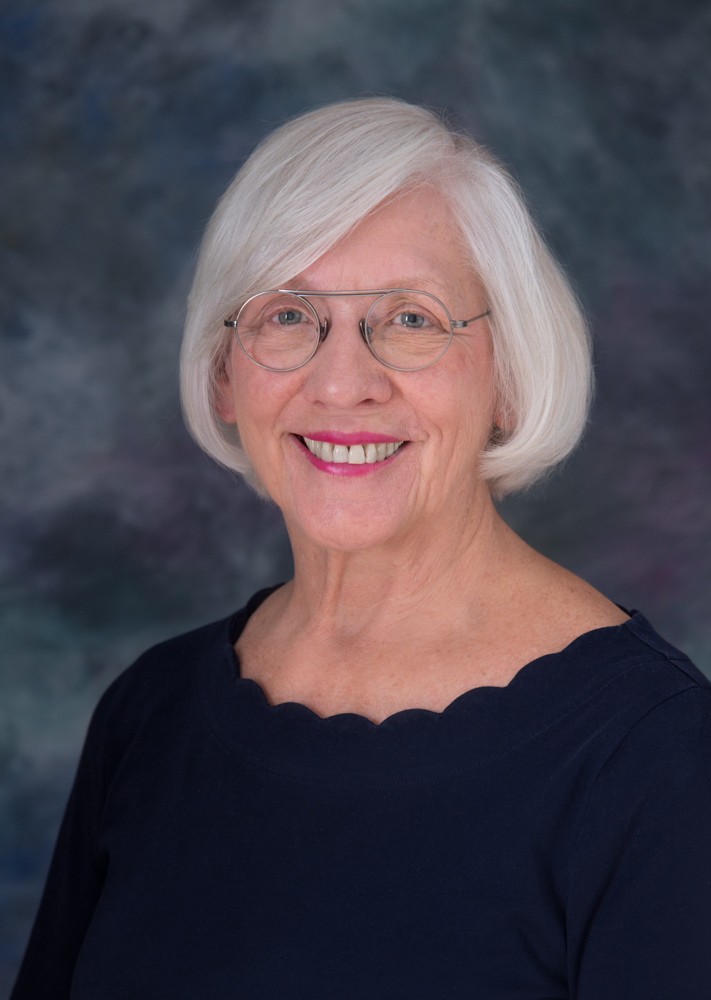
Below, Renee Bergstrom, EdD, – a Sahiyo Advisor Board member and an educator who advocates for relationship-centered medical care – reflects on her involvement with the program.
- What words come to mind when you think about the Voices to End FGM/C project and your experience with it?
The words that come to mind when I think of my experience at the Berkeley, CA, workshop are gratitude, acceptance, solidarity, and camaraderie.
- What made you want to apply to be a part of the Voices to End FGM/C digital storytelling project?
I applied to participate because I knew the time had come to take every opportunity to address ending the cutting of little girls worldwide. I began speaking out against it in Geneva, Switzerland, in 1981. I felt called to continue this work then, but I knew the time was not right. I came home to further my education so I would be a credible voice when the opportunities to speak out arose.
- What is something you remember or enjoyed the most from the digital storytelling experience and/or the workshop?
Since I am an artist, I loved creating the video during the workshop and appreciated all the guidance from Amy Hill and Orchid Pusey. However, the most memorable aspect of the weekend was that I felt relaxed and connected to the other women in a way I had never experienced with my friends or colleagues at home. Keeping a secret had distanced me from deep friendships, so when we shared our stories and our shame, the tension dissipated.
- What was the title and theme of your video and what was it like creating your video with the Sahiyo team?
Finding My Voice. The storytelling process went well. We wrote a brief overview beforehand and found ways to illustrate our stories prior to coming to the workshop, so I was ready and eager to complete the video.
- What has the impact been of sharing your story?
I was somewhat surprised that coming out as a white Christian American survivor would be so beneficial to people of color and from other cultures. When people suggest that FGM/C makes them unique, they are able to say, “No, it happens to white Americans, too, and those women suffer complications just like we do.”
- What skills or knowledge did you learn from the workshop that you continue to utilize or refer to since the workshop?
I learned that brief, focused messages are impactful, so I try to be concise in my writing.
- In what ways would you like to see the Voices to End FGM/C program grow in the next ten years?
I would like the program to continue to share diverse perspectives. Every woman who has attended the workshop and shared her story has added to the growing understanding of how being cut changed our lives. I hope that collectively we are gaining the power needed to end this harmful practice.
- What message do you have for others who may be considering sharing their story?
Telling such a personal story takes courage, but don’t be afraid. The facilitators are compassionate and skilled. You will be supported in a safe environment, and you will find new friends. There is an amazing sense of relief when your story is no longer a secret, and you will be exploring life experiences with women who are on similar journeys toward wholeness. This opportunity is a blessing.