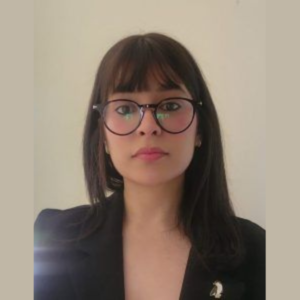
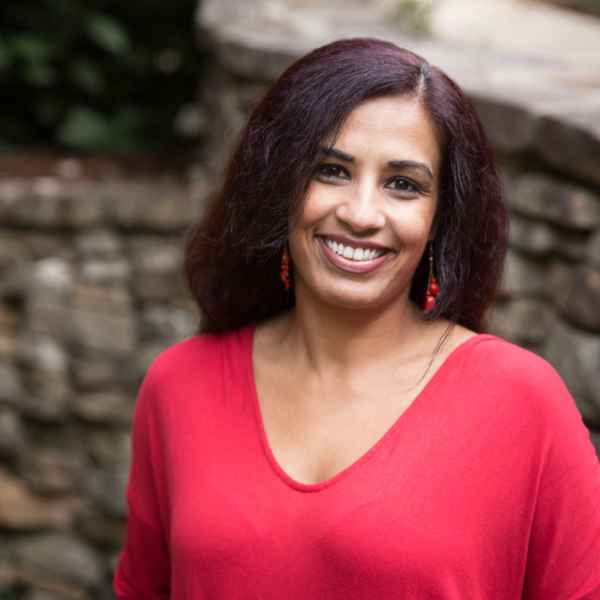
About the Founder: Mariya Taher is a Co-founder of and the current Executive Director of Sahiyo. She has worked in gender-based violence for nearly fifteen years in the areas of teaching, research, policy, program development, and direct service. In 2018, Mariya received the Human Rights Storytellers Award from the Muslim American Leadership Alliance. After starting a Change.org petition and gathering over 400,000 signatures, Mariya helped Massachusetts become the 39th state to pass legislation on FGC. Subsequently she supported other states to pass such laws including Washington. She also sits on the steering committee for the US End FGM/C Network.
- How did you all come together as the five co-founders and start Sahiyo?
Sahiyo was founded in 2015 but I had been doing research and work around the issue of FGM/C for years. I did my master’s thesis on FGM/C in the Bohra community in the United States and after graduating I started giving presentations and wrote articles about my research. One of the platforms I wrote for was the Global Fund for Women. I wrote about my research and story for their joint project with the International Museum for Women.
Priya came across that piece while she was working on a documentary about FGM/C in the Bohra community, called “A Pinch of Skin” and that was how we became connected. She introduced me to the other cofounders including Aarefa Johari and Insia Dariwala. The five of us started talking about how we wanted to approach the issue. We decided to create a larger study on FGM/C in the Bohra community, because there were not studies on the Bohra’s in relation to FGM/C.
We hoped to do a study with 50 people, but almost 400 people ended up participating. This study was a way of starting dialogue on the topic within the Bohra community throughout the world. We wanted to create a space where this conversion could continue and so Sahiyo was created.
- What were your initial goals or hopes for the organization and how has the organization’s vision evolved since its founding?
My goals for Sahiyo have changed as the organization has evolved. In the beginning the goal was to create a forum where we could talk about FGM/C publicly and make it known that it happens in the Bohra community.
During this time we were seeing more survivors of FGM/C speak about their experiences and that led to a lot of momentum around the issue. However, these survivors received a lot of backlash. Religious leaders and people within the community started defending the harmful practice saying it was ok. Like any type of social change there are ups and downs.
FGM/C also wasn’t something that was seen as happening in Asian countries; 10 years later that’s changed tremendously. International entities like UNFPA recognize that it happens in Asia, and their reports reflect FGM/C as a global issue. Now that people are talking about FGM/C our new goal is to create support services for survivors and work globally to prevent and end this practice.
- What moments over the past 10 years are you most proud of?
The research study was a huge accomplishment. To see how it’s inspired other individuals to do studies around the world has been amazing. The passage of legislation in different states is something I’m really proud of too. In Massachusetts, passing the bill banning FGC/M took 7 years of work and advocacy efforts. Sahiyo getting its first federal grant and the doors that have been opened through that funding was another big moment. Most of all I’m proud that Sahiyo exists and has been able to connect so many people from all over the world.
- As you reflect on the last decade, what are some of the most valuable lessons and insights you’ve gained?
This work needs to be done in a collaborative manner to create progress. That’s something I feel that we do really well at Sahiyo through our programs, but conflict does arise when you’re working with many different types of people. The lessons I’ve learned have all happened in those moments of crisis, whether it was a difference of opinion or even an external issue like learning how to continue our work under the Trump administrations. What’s helped us in those times is reaching out to other organizations who are similar to us and asking for guidance and seeing how they’re making it through these difficult times too.
- What does it mean to you that Sahiyo is celebrating its 10 year anniversary?
It means so much that Sahiyo has reached this milestone. It feels like our work is vital and we don’t hear about all the ways we’ve touched people’s lives, we only hear about the ones from people who reach out to us. But when people share with me about a tool they’ve used or a story they’ve read from Sahiyo and how it’s touched their lives, that brings me great joy.
- In what ways have you seen the anti-FGC and gender based violence activism space change and evolve over the past ten years?
There’s a growing recognition that FGM/C is a form of gender-based violence. That recognition has been a mission of mine since I started this work. I started my career in the domestic violence space working with domestic violence organizations. When I think about how that space has changed, I feel like it’s become much easier to work across sectors to help end FGM/C. An example of that is our work with the Asian Women’s Shelter, and the trainings we’ve done within the healthcare and social work communities about culturally sensitive care for survivors. FGM/C is even now included under the Violence Against Women’s Act which is a huge step forward.
- How does Sahiyo fill a gap in the global movement to end female genital cutting (FGC)?
Sahiyo has a huge role in showcasing that FGC happens amongst Asian communities. We were one of the first entities that was recognized for doing this work in an Asian context and we existed before the Asia network to end FGMC started. When we started posting on our blog other individuals started writing to us and sharing their own stories outside of the Bohra context. Now we have a blog with thousands of stories from authors from all over the world, so I feel that Sahiyo played a big role in uplifting FGM/C as a global issue.
- How would you like to see Sahiyo change and grow over the next 10 years?
I hope we’re able to strengthen the 501c3 U.S. chapter of Sahiyo and that we can replicate our programs in other countries. I’d specifically like to see our digital storytelling project and activists retreat on a global scale.
I used to say that Sahiyo was in an adolescent stage organizationally, and then a teenager, but now I feel like we’re moving into our 20s. We’ve learned about the world and we’re starting to figure it out, but we still need guidance in order to grow.
In closing I want to acknowledge that the work Sahiyo does could not be accomplished without all of the people connected to our organization. It may have started as just five people but Sahiyo has grown to involve thousands of people. From the founders to our staff, our advisory committee, volunteers, program participants, and the donors have all made this organization what it is today.