This month, December 2025, Sahiyo celebrates its 10th anniversary! Over the past five months, we’ve been highlighting each of our programs, reflecting on our accomplishments, and showcasing the incredible people who have helped to make our work possible.
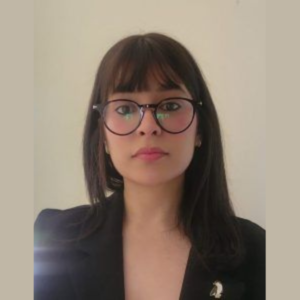
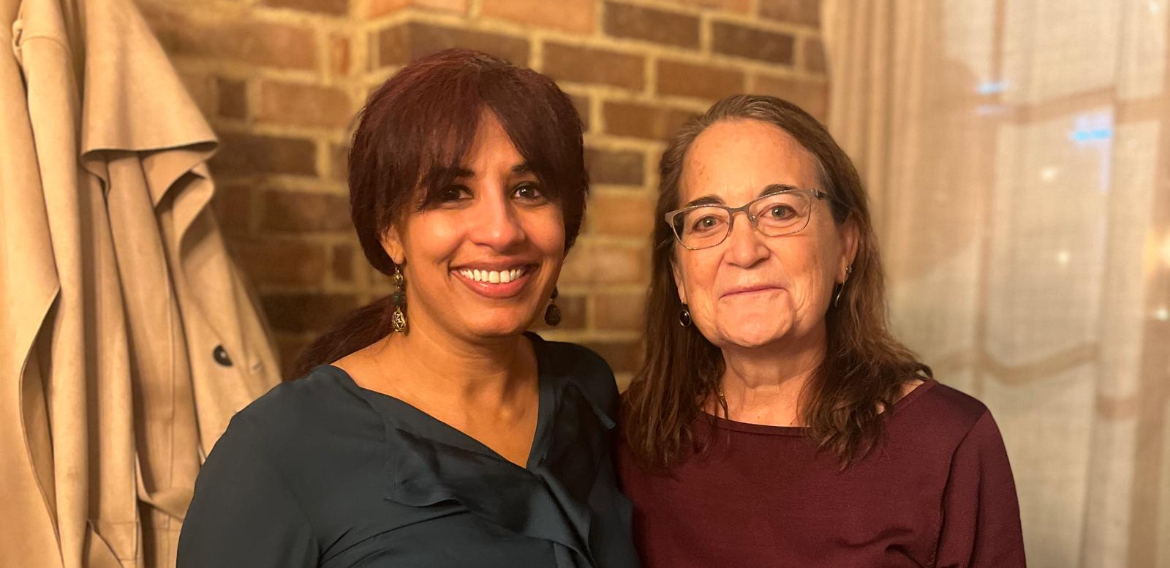
Today, we’d like to highlight a person who has been instrumental in helping Sahiyo achieve its goals from the very beginning —Susan Gibbs from the Wallace Global Fund.
Susan Gibbs is a philanthropic advisor to the Wallace Global Fund (WGF), a private grantmaking foundation that, as one of its goals, has been committed to ending FGM/C since its inception.
“When we began, we focused on supporting leaders and activists working on FGM/C in West Africa. Very few donors, UN Agencies, or nongovernmental organizations were working on the issue there, or anywhere, let alone prioritizing it. Sahiyo was the first organization we encountered that was working on FGM/C in South Asia and in the US, and we were impressed with its sensitive, inclusive, and powerful approach.”
WGF was Sahiyo’s first-ever funder, providing the financial support needed to launch our first programs, research, and storytelling initiatives. Susan’s own commitment to finding a way to end FGM/C and support survivors has made this a long-lasting and impactful partnership between the two organizations.
“We first partnered with Sahiyo because we were impressed by the passion and abilities of its founders. I believe we provided Sahiyo with its very first grant. We are very proud to have accompanied Sahiyo on its journey for so many years. Sahiyo has continued to build its community, increase its impact and reach, and grapple with some of the most complex dimensions of FGM/C, such as how it intersects with race, religion, sexuality, and gender identity.”
Like Sahiyo, Susan has seen the FGM/C activism space change and grow in a multitude of ways over the past decade.
“In one of my first United Nations meetings on FGM/C, I was struck by the fierce debates over basic terminology. Was it FGM or FGC? Mutilation or Cutting? Passions ran high on both sides, and it was difficult to find my own voice. While there are still disagreements and a range of voices and approaches to addressing FGM, there is now a global, diverse, and inclusive movement focused on ending FGM/C, and Sahiyo has been a key part of it.”
Through these ups and downs in the movement, Susan and WGF’s funding has been a constant and crucial support. This support has allowed Sahiyo to expand our work in the ways we believe will be the most effective in stopping FGM/C and supporting survivors.
“I believe funders can help generate some ‘winds beneath the sails’ of social movements such as the global effort to end FGM/C. Funders should not micromanage the affairs of their partners, and they should not be overly directive in their grantmaking. Funders should exercise humility and generosity and trust their partners to generate strategies and solutions.”
This funding from WGF also supports us in continuing our work despite the ongoing national and global crises.
“The rise of global authoritarianism, backlash against progress toward gender equality and progressive social change, dramatic reductions in foreign assistance, upheavals within private philanthropy, and growing gender-based violence – to name a few (!) – continue to challenge philanthropy, which regrettably, sometimes responds to these mounting political and economic threats with silence or cowardice. Now is the time for philanthropy to be brave and stand strong with those under threat.”
Despite the current state of the world, Susan believes that in this moment of crisis there is a critical opportunity to create long lasting change in regards to FGM/C.
“Given the epistemic threats associated with polarized and weaponized digital tools, platforms, and spaces, there is an opportunity for FGM/C advocates and gender justice activists to join coalitions seeking more accountability from the major platforms and advocating for safer, healthier spaces online (and offline!). Without systemic changes to digital environments, I fear further backsliding, silencing, and harm to activists and survivors.”
“Looking ahead, I think that this crucial work on complex cultural issues must be led by people from within those communities. Funders should supplement commitments to the frontlines with investments in movement infrastructure and systems change at the national and international levels. This work must always be trauma-informed and center survivors.”
We’re very grateful to Susan and WGF for all the support that they have provided to our organization over the past 10 years. The work we have done, the people we have helped, and the progress we’ve made would not be possible without her and the foundation.