By Anjalika Sarkar
Introduction
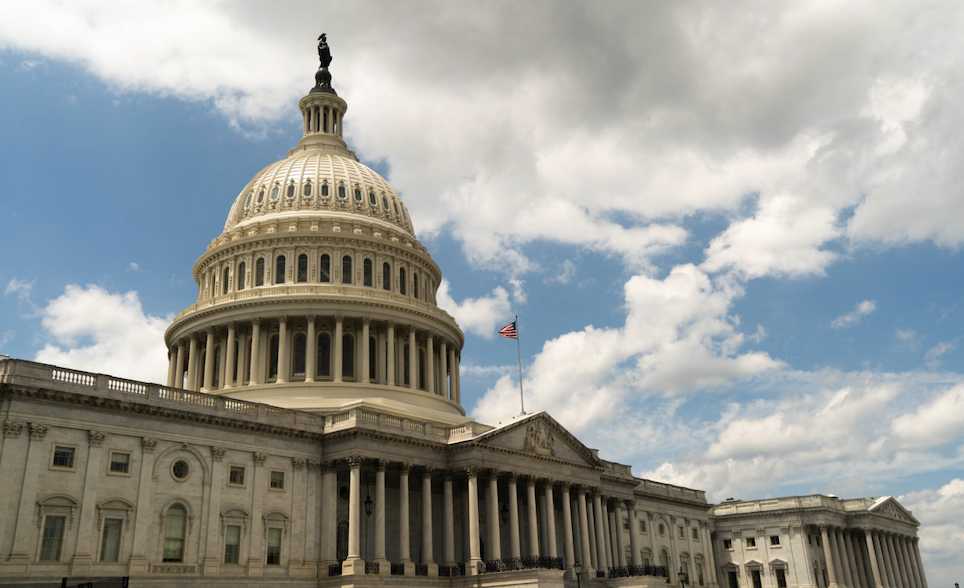
H.R. 3492, also known as the Protect Children’s Innocence Act, was recently passed by the House of Representatives in the United States. This bill has been introduced and falsely framed as a way to protect children from genital and bodily mutilations and chemical castrations.
Yet, this piece of legislation makes a fundamental error by conflating different kinds of unrelated issues – FGM/C and gender-affirming care. While stating that minors should not be able to access gender-affirmative medical care, the bill subsumes gender-affirming care under the same head of “genital or bodily mutilation” to prohibit underage persons from changing the sex assigned to them at birth. This ignores the very nature of FGM/C, which is, in fact, never a choice and happens to be a significant violation of the human rights of girls and women as recognized by the United Nations.
Existing Legal Framework Around FGM/C
The current law dealing with the protection of girls at risk from FGM/C focuses solely on the harmful practice itself.
The existing law highlights how genital mutilation done on underage girls, unless for concrete medical reasons, is punishable by law. Religion, custom, “standard practice,” etc is not considered an acceptable defense and anybody who facilitated the procedure, be it the one performing it or the guardian consenting to it, would be liable to be charged under the law.
This prevailing law and the ones that came before it haven’t ended FGM/C, but it has still managed to provide the foundation on which advocates against FGM/C and survivors stand to raise their voices. These laws provide the protection which vulnerable girls in communities and families impacted by FGM/C require, and ensure that organizations, institutions, and citizens know what the law stands for, without any room for misinterpretations or oversight.
Legal Ambiguity and Possible Consequences of H.R. 3492
Whether it is about financial transactions, offenses relating to the human body, or something else entirely, it is always the law that people turn to for guidance. This tendency of turning towards the law for clarity can prove to be ineffective if the law in itself is ambiguous in nature. Not only does that confuse people and increase the chances of missteps, but it also leads to a lot of people becoming collateral damage.
This is precisely what the recently introduced bill, H.R. 3492, risks setting in motion in the United States. By merging a significant human rights violation with other distinct and necessary medical procedures and healthcare, which are not considered as violations at all, the proposed bill is not offering solutions. Instead, it is making it much easier for people to find loopholes to perform FGM/C and much more likely for well-meaning people to back off from helping lest they get caught in a legal web, which ultimately takes the focus away from an issue that deserves attention in its own right.
With H.R. 3492 having passed in the House of Representatives, the probability of it becoming law increases. This means that the issue of FGM/C might get overshadowed by the other aspects of the bill, which raises the concern that girls already at risk of FGM/C will become even more endangered down the line. There would be less prevention, more hesitation, widespread confusion, and an inevitable diversion of attention, exactly what the survivors and advocates against FGM/C fear. Moreover, there is an apprehension that the funds, which at present are allotted entirely to the cause of ending FGM/C, will be diluted as well, leaving these girls almost entirely defenseless, without support programs, and at the mercy of the very people they need protection from.
Conclusion and Suggestions
What we need is not a new law, but a strengthening of the one that already exists, the spreading of awareness, and the allocation of greater funds dedicated to educating and ending FGM/C. U.S. legislators need to recognise that if a law specifically designed to prevent FGM/C could not end it, one which merely brushes past it amidst a plethora of medically and legally distinct concepts is not likely to end FGM/C either. If anything, it might make things worse and weaken the level of protection which is offered at present and put already vulnerable girls even more at risk.
It is clear that the fate of the existing law on FGM/C depends on the U.S. Senate and the president’s responses to H.R. 3492. While the bill has crossed the first threshold, the next two are equally formidable and hold the power to ensure that this legislation is never put into effect. This is what makes public debate and advocacy very relevant at the moment to prevent what might very well be a disaster waiting to happen.