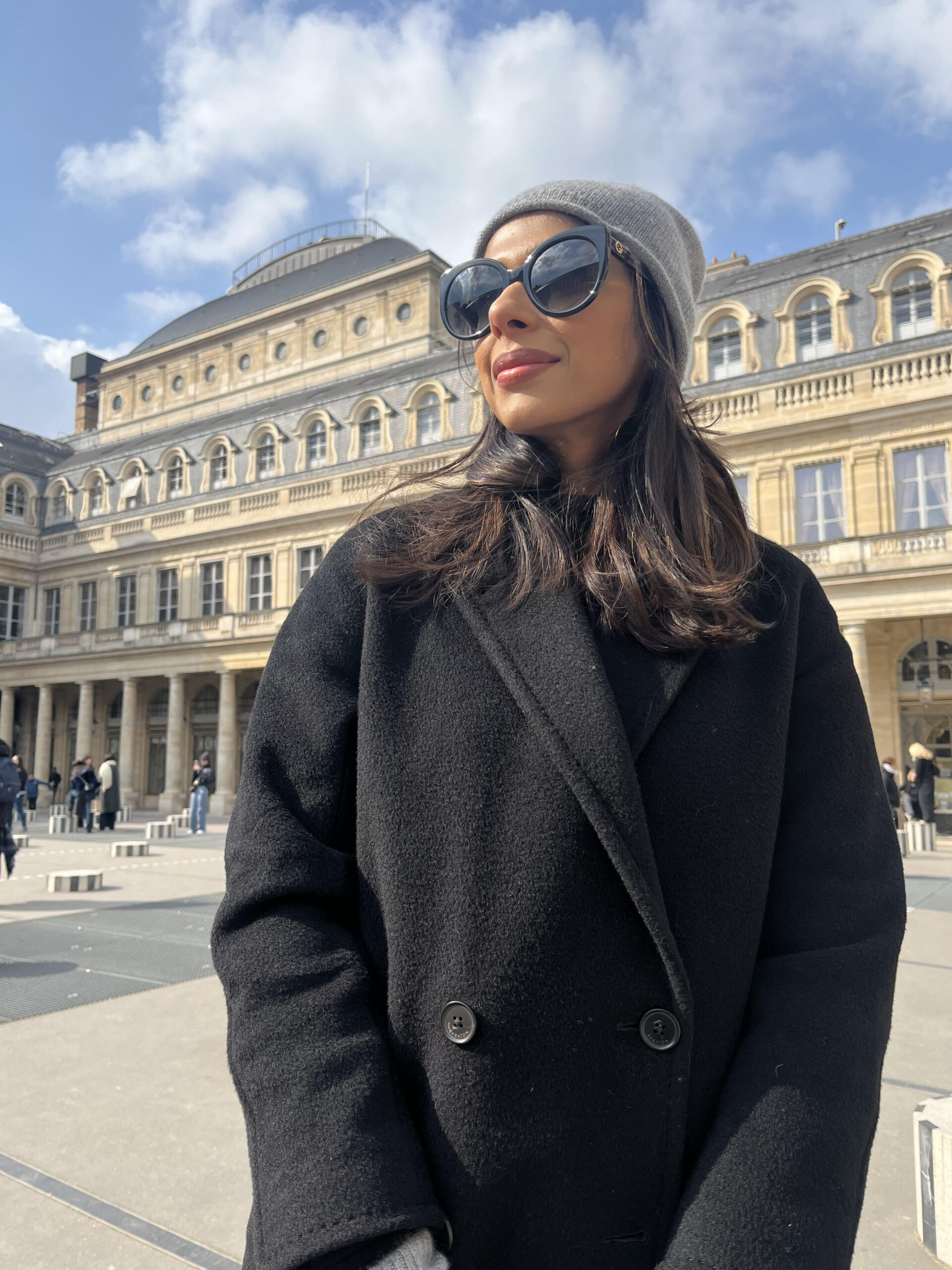
By: Farrah Dalal
I chose to participate in the Sahiyo Activists Retreat because I feel as a survivor and activist it is important to maintain connection to the networks of people doing the difficult work of affecting change in our community and around the world. There has been so much progress since my youth, and it is heartening to see how far the movement has come and the laws that have been changed because of this advocacy.
While there is still more work to do in the political landscape, receiving these updates is so helpful as an activist because we can better understand what is needed and required to give this movement the validity it needs. I particularly enjoyed a lesson about how to communicate and approach people whose views may differ. Presenting “facts” are a large part of guiding a productive conversation – another reason this education becomes pertinent for all of us.
Connection is another part of why I attend. I no longer have a robust cultural community to participate in, and Sahiyo has become that community for me. There are not a lot of people who can relate to the unique experience that was our upbringing, and it gives me a sense of peace because I know this is one place where I will not be judged and always welcome.
I was fortunate at this year’s retreat to meet two new people from our community whose experiences entirely differed from mine. One of those conversations allowed me to better understand the impact of FGM/C on an LGTBQ person, a perspective I had not thought to consider before. It led me to thinking about a handful of people I know who I would want to invite to the retreat next year—people with varying stances and relationships to the practice and community that would benefit from the powerful conversations that occur in this space. It is a reminder that the world is bigger than just one person, and there are nuances to FGM/C that should inform your approach in any form of activism, whether quiet or outspoken.
This topic in general can feel so overwhelming to participants. This year, author and psychotherapist Farzana Doctor, helped us connect to the emotional side of our experiences, offering strategies to help with burnout and practicing self-care. In addition to generously giving us copies of her latest works, she offered an open door to connect with her and ask sensitive questions we may not be able to go to family or friends with. Whether you are a survivor or have close proximity to someone who is, I challenge readers to take the uncomfortable step forward and learn about this organization or attend an event. I promise you will learn something new, and perhaps, something about yourself.