In December 2025, Sahiyo will celebrate its 10th anniversary, and we’re hosting a campaign to mark the occasion! Starting in July and running through December, we will each of our programs, reflecting on our accomplishments, and planning for the future.
This month, we’re highlighting Sahiyo’s Community Education & Training and Technical Assistance Program. These programs seek to provide culturally sensitive outreach education and methods, and survivor-centered trainings on care and support.
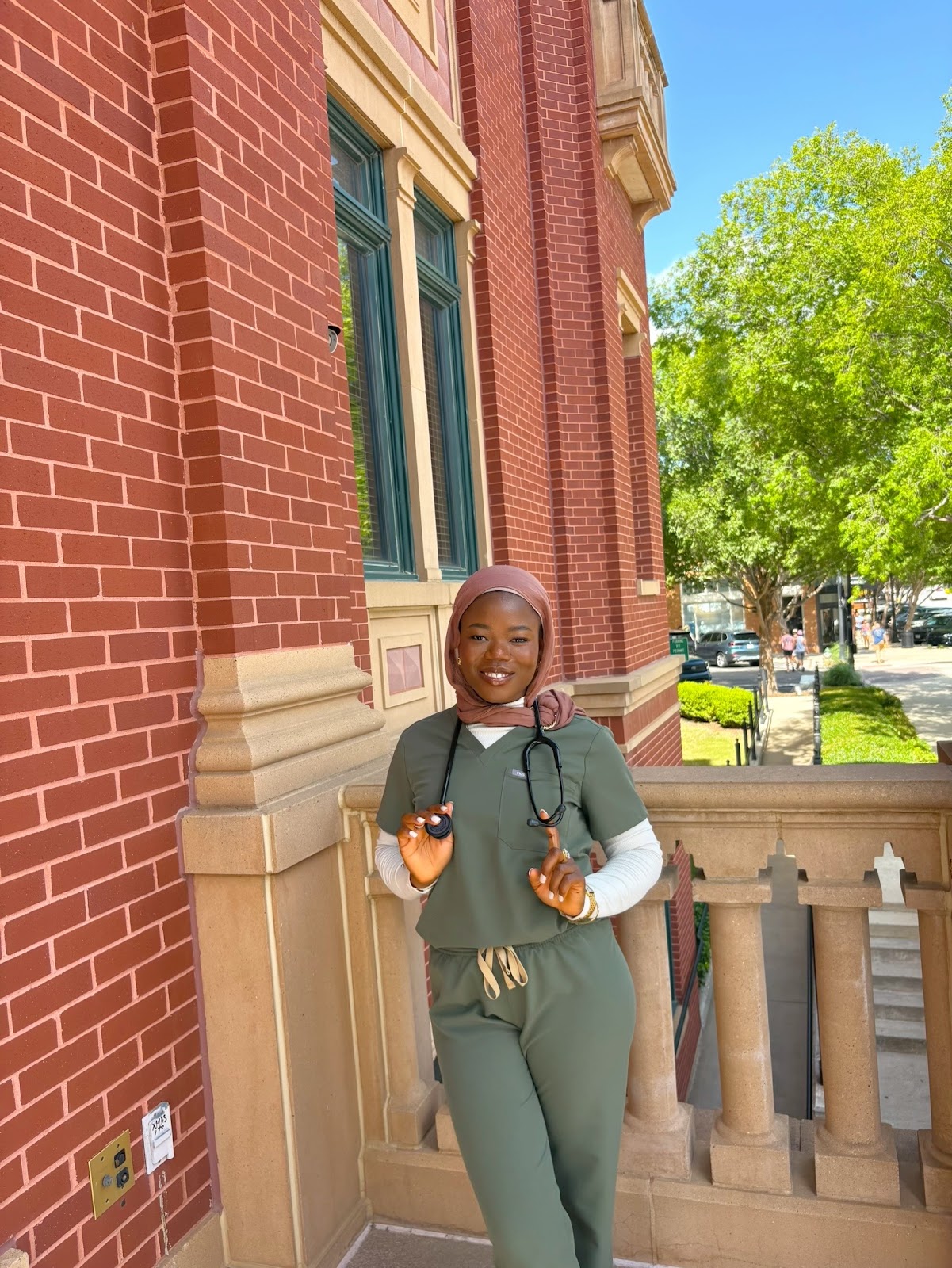
Below, Kaothar Olateju – a Sahiyo volunteer and a Physician Assistant-in-training – reflects on her involvement with these programs.
By Kaothar Olateju
- How did you learn about Sahiyo, and what drew you to our mission?
I first learned about FGM/C in my Gender and Human Rights course, and I was shocked to discover how prevalent it is in many African, Middle Eastern, and Asian countries—including my home country of Nigeria. Until then, I had never realized the extent of FGM/C’s impact or the lasting consequences this harmful practice has on survivors.
Wanting to go beyond what I learned in class, I started researching both the cultural justifications and the severe health risks associated with FGM/C. I was not only looking for ways to educate myself, but also for ways to contribute to the movement. That’s when I came across Sahiyo—an organization dedicated to advocacy, education, and storytelling in the hopes of ending FGM/C. Their community-driven and culturally sensitive approach stood out to me, and I knew I wanted to be part of their work.
- Why did you want to be involved with Sahiyo’s Community Education & Outreach or FGC Training and Technical Assistance efforts (i.e., career, from an FGC-impacted community, health care provider, etc.)?
As someone pursuing a career in healthcare, I believe that education and awareness are critical in addressing harmful practices like FGM/C. I also come from an FGM-impacted region, and my personal journey—going from not knowing about FGM/C to realizing how close to home it is—deepened my commitment to advocacy against it. I wanted to be involved in work that not only informs communities about the risks and consequences of FGM/C, but also empowers those same communities to create change from within. Sahiyo’s Community Education & Outreach efforts aligned perfectly with my goals of bridging the gap between cultural sensitivity and health care advocacy.
- In what ways have you been involved in supporting Community Education & Outreach or FGC Training and Technical Assistance efforts organized by Sahiyo?
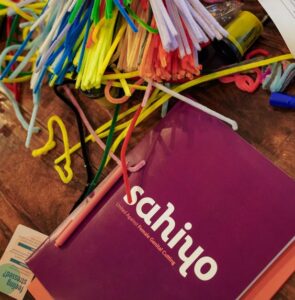
As a volunteer, I helped design Sahiyo’s 2024 storytelling guide, a project that took about three months to complete. The guide serves as a resource for survivors and activists, providing them with tools to share their experiences in a way that fosters awareness, dialogue, and advocacy in the movement to end FGM/C.
- Can you share a memorable moment or experience from your time volunteering with Sahiyo?
The most memorable moment was meeting up with the T&TA Coordinator, Aries Nuño, for boba. She was the one I directly reported to on the progress of the storytelling guide design. After 3 to 4 months of working together remotely, we realized we lived just 45 minutes apart and decided to meet in person over boba. Seeing her in real life made me feel even more connected to the project and Sahiyo’s mission. What made it even more special was her giving me a physical copy of the guide.
- What did you learn or gain personally and/or professionally through your involvement with Sahiyo? If yes, how could you elaborate on how so?
Personally, my involvement with Sahiyo has deepened my understanding of cultural sensitivity and the importance of advocating with empathy. It has reinforced the need to listen to survivors and amplify their voices.
Professionally, this experience has strengthened my skills in community engagement and health advocacy. As a future healthcare provider, being informed about the complexities of FGM/C will enable me to offer more compassionate, culturally competent care if I ever encounter a survivor.
- How does the work that Sahiyo has done in community education and FGC training strengthen the movement to end the harmful practice?
Sahiyo’s work in community education and FGC training is essential in addressing both cultural and legal barriers to ending FGM/C. For example, Connecticut is one of the nine states without a specific law banning FGM/C, and Sahiyo has been involved in raising awareness and advocating for stronger legislation in areas like this. By educating communities, healthcare providers, and lawmakers, Sahiyo empowers individuals and organizations to push for legal reform and a cultural shift away from FGM/C. This multifaceted approach strengthens the movement to end FGM/C by tackling both awareness and policy gaps.
- What are your hopes for the Community Education & TTA Program for the next 10 years?
I hope to see more healthcare professionals engaged in these efforts so that survivors can receive informed and compassionate care. Additionally, I would love to see more youth-led initiatives because younger generations play a crucial role in breaking cycles of harmful practices.
- Why do you feel that community education and FGM/C technical training are important to the movement to end FGC?
Ending FGM/C isn’t just about laws—it’s about changing mindsets. Many families continue this harmful practice because of cultural expectations, misinformation, or pressure from elders. Community education helps address these factors by providing accurate information and creating safe spaces for dialogue.
FGM/C technical training is equally important because healthcare providers, educators, and social workers often encounter survivors but may not know how to offer appropriate care or support. Training ensures that professionals can respond with cultural sensitivity, trauma-informed care, and the right resources. Together, education and training empower individuals to challenge the practice and support survivors in meaningful ways.