
The History of Legislation Addressing Female Genital Mutilation/Cutting in New Mexico

Female genital mutilation/cutting (FGM/C) is a harmful social norm involving the partial or total removal of female-assigned external genitalia or other injury to the female-assigned genital organs for non-medical reasons. Globally, over 230 million girls and women have undergone FGM/C. FGM/C has a long history in the United States, and currently, over half a million […]
Connecticut Bill Addressing Female Genital Mutilation/Cutting, Senate Bill 1438, Fails to be Raised for a Vote

By: Juliet Shires At the beginning of the 2025 legislative session, passing a bill in Connecticut (CT) protecting children from female genital mutilation/cutting (FGM/C) seemed promising. “An Act Prohibiting Female Genital Mutilation” (SB 1438) marked the first time a bill was raised in the past five years of advocacy by the Connecticut Coalition to End […]
Complicated Attempts in Alabama: Struggles to Address Female Genital Mutilation/Cutting Through Legislation

Alabama is one of nine remaining states in the United States that do not currently have laws to prevent and protect survivors and at-risk individuals from female genital cutting (FGC). Research by the Population Reference Bureau indicates that 1,480 girls and women in Alabama are at risk of undergoing FGC. Another more recent study released […]
One of Nine: Hawaii and the Struggle to Pass Legislation Addressing Female Genital Mutilation/Cutting

A 2023 research study by Sean Callaghan states that in Hawaii, 304 individuals are living with the consequences of female genital cutting (FGC), and 1,041 individuals are potentially at risk of FGC. Yet, Hawaii is still one of nine states remaining in the U.S. that have not passed laws to prevent and protect survivors and […]
Sahiyo Discusses x UNMUTED: Centering a Few to Echo the Many

By Elaina Baliner When we talk about female genital cutting (FGC), the number that always gets cited is 230 million. 230 million women and girls around the world who have undergone or are at risk of undergoing the practice. But behind that number are 230 million stories. 230 million voices. 230 million lives marked by […]
Continuing the Conversation: Reflecting on the June 2025 Roundtable on FGM/C in California
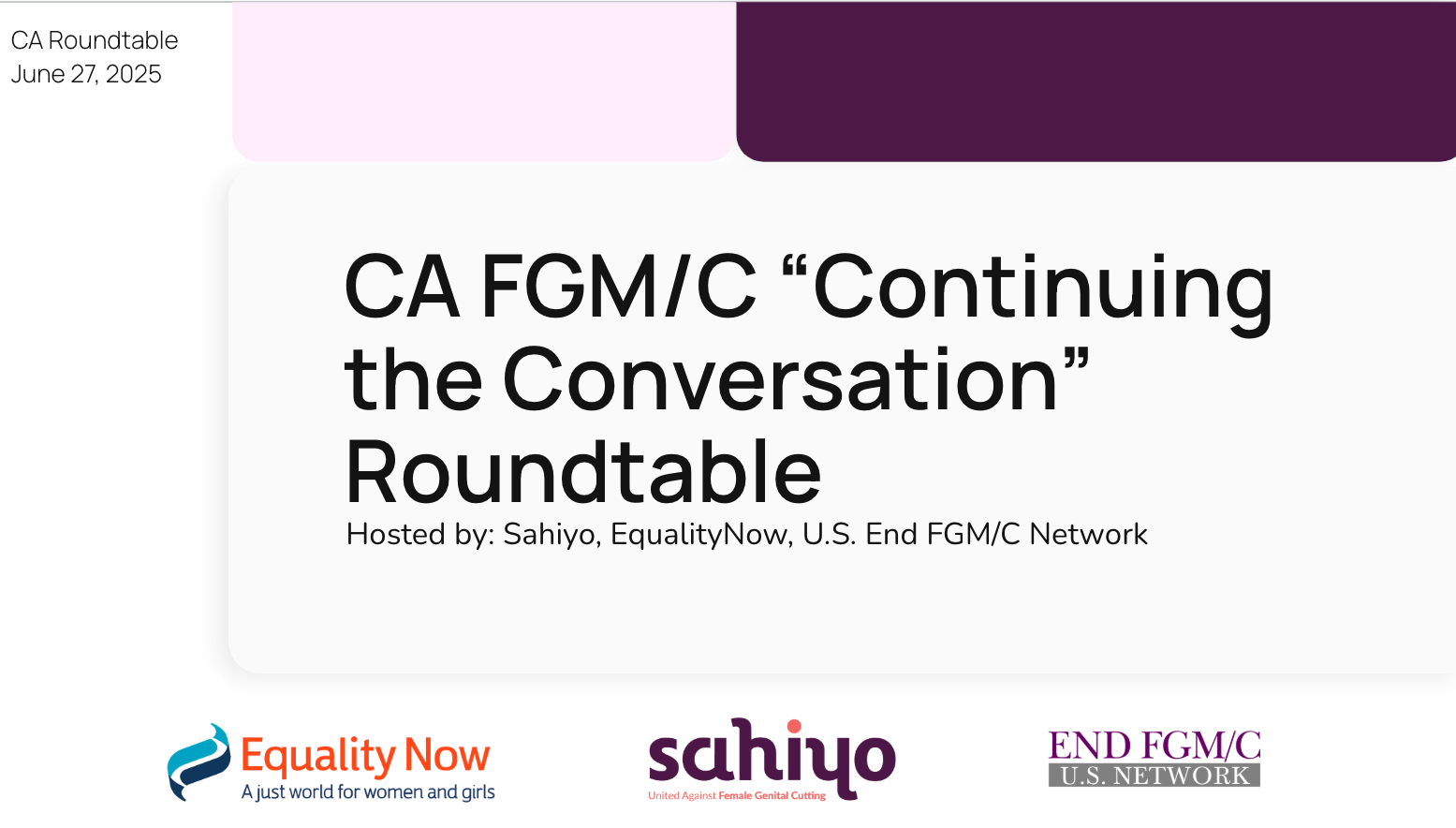
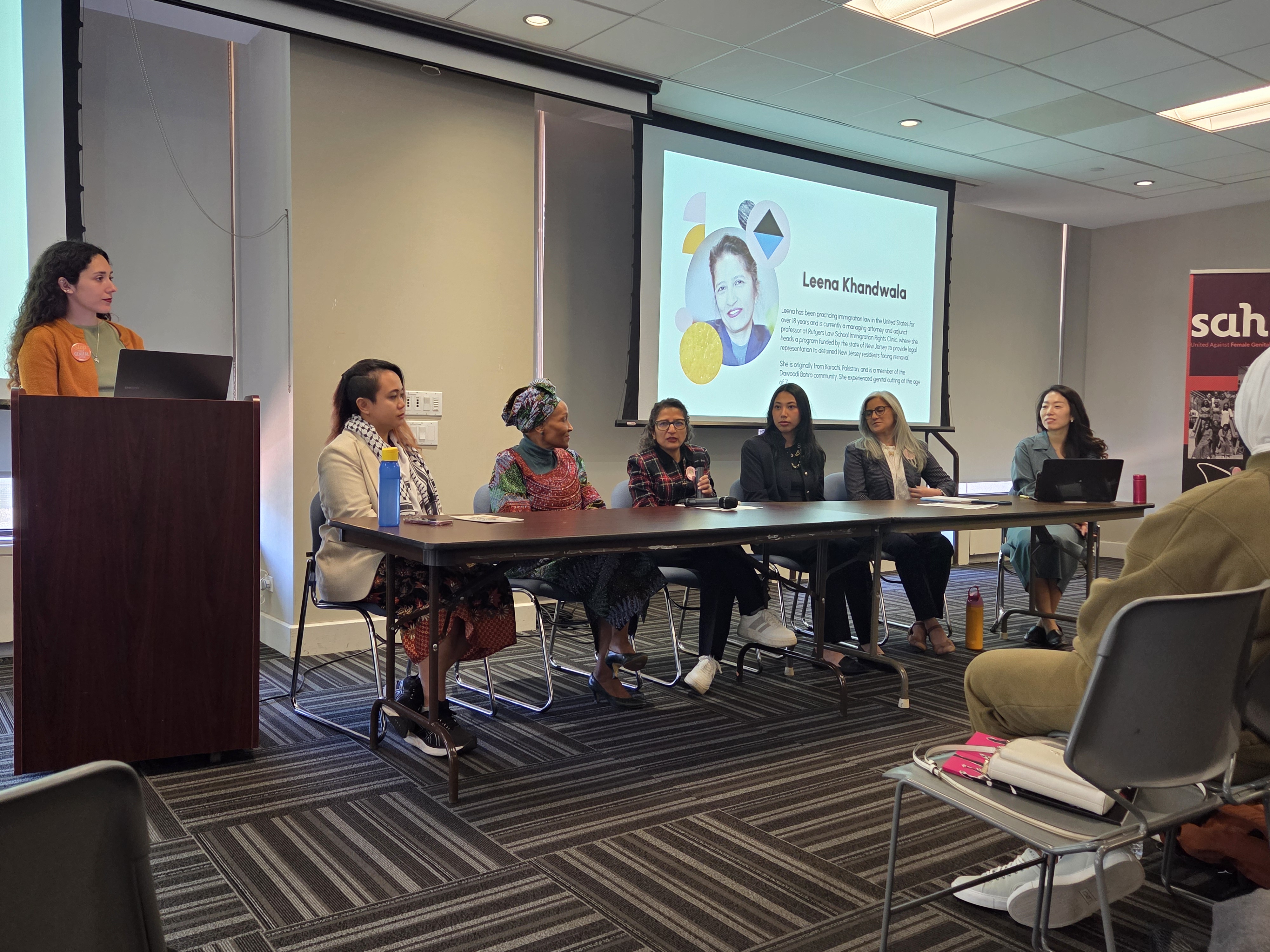
By Rachel Aguilar On June 27, 2025, Sahiyo, in partnership with Equality Now and the U.S. End FGM/C Network, hosted a roundtable discussion titled “FGM/C in California: Continuing the Conversation.” This roundtable built upon the October 2024 webinar, “Female Genital Mutilation/Cutting in California – Past, Present, and Future,” and brought together advocates, survivors, service providers, […]
Reflecting on the webinar “Breaking the Cycle: Saying ‘No’ to Female Genital Mutilation/ Cutting (FGM/C)”
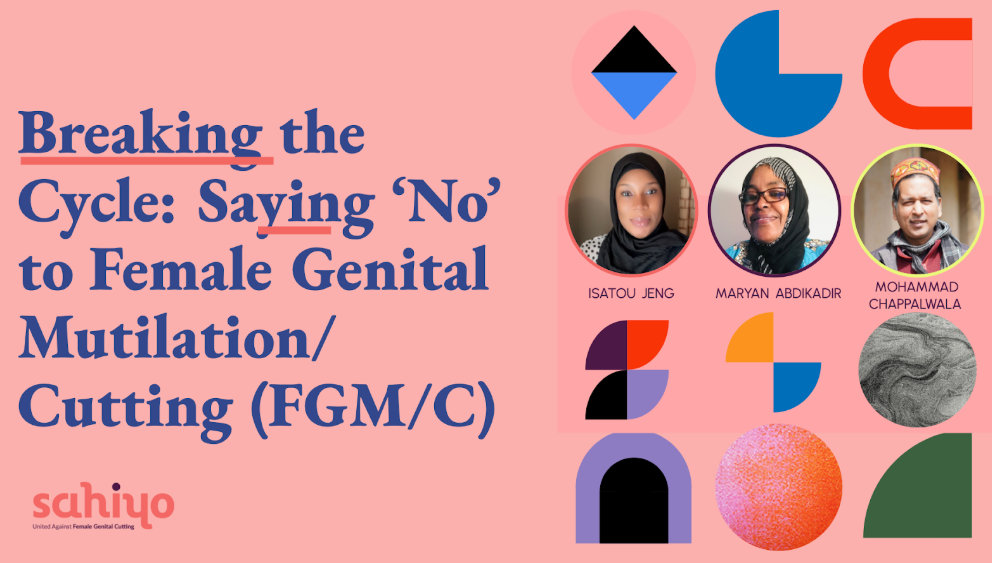
By Priya Voetsch On May 29th, Sahiyo’s Programs and Events Coordinator, Samman Masud, and Program and Events Intern Priya Voetsch, moderated a webinar titled, “Breaking the Cycle: Saying ‘No’ to Female Genital Mutilation/ Cutting (FGM/C).” This webinar brought activists and advocates together to share their experiences and strategies for encouraging parents, families, and communities to […]
Female Genital Cutting (FGC) Activism Isn’t a One-Size-Fits-All Solution: End FGC Singapore Co-Founder Reflects on Her Time at CSW 69 With Sahiyo
By Kaitlyn Sze Tu, Sahiyo Editorial Intern Female genital cutting (FGC) is a harmful practice that impacts women across the globe, regardless of location. For anti-FGC activist Saza Faradilla – co-founder of End FGC Singapore and a Voices to End FGM/C alum – her home city of Singapore is no exception. Sahiyo Editorial Coordinator Sheena […]
Join Us for the Launch of the Americas Alliance to End FGM/C
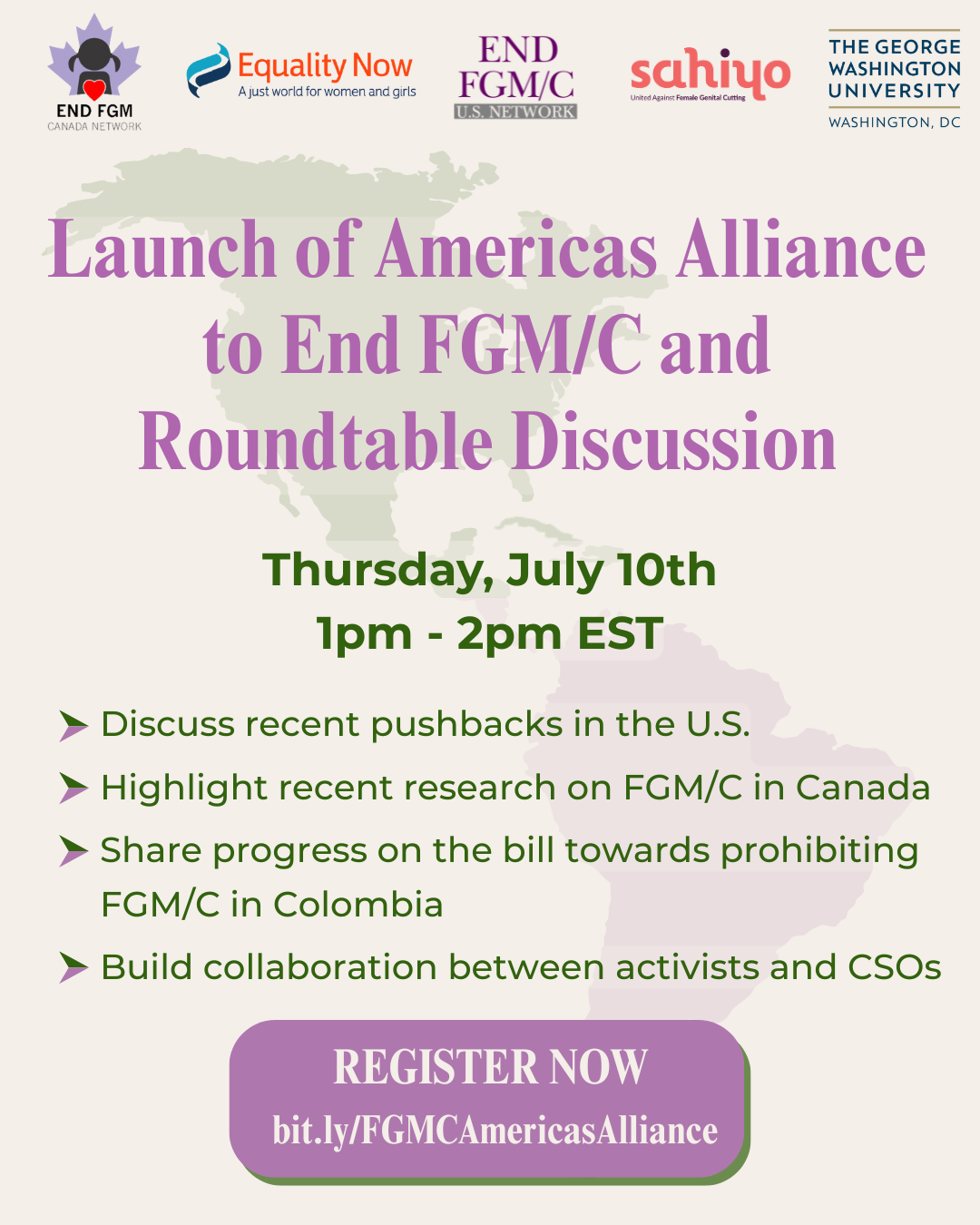
Time: 1:00 PM Eastern TimeLocation: Zoom —Register HereInterpretation available in Spanish and English A coalition of leading organizations, including Sahiyo, The U.S. End FGM/C Network, End FGM Canada Network, George Washington University Milken Institute School of Public Health, and Equality Now, has come together to launch the Americas Alliance to End FGM/C. This new coalition […]
Addressing Female Genital Cutting Requires Context and Compassion

*This blog was originally published by the Asia Network to End FGM/C and is being reshared here with their perrmisson, for more information about the Asia Network to End FGM/C click the links below* Social Media: Instagram: ARROW Facebook: Asia Network to End FGM/C X: https://x.com/endfgmcasia By Huda Syyed While there is a growing body of work surrounding FGC in […]