By: Megan Seaver
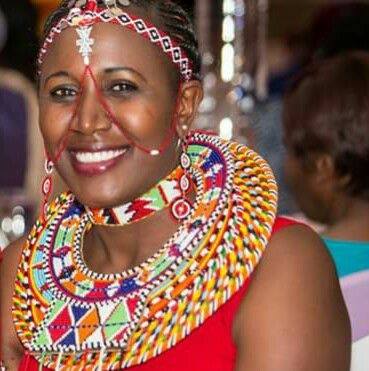
Severina Lemachokoti is an anti-FGM campaigner, a human rights defender and a gender rights activist from the Samburu community in Northern Kenya. She was interviewed by Sahiyo’s editorial coordinator, Sheena Vasani. In this interview, Severina reflects on her experience being a part of the first Voices to End FGC cohort and how her storytelling video has affected her activism and her life.
“The storytelling program really helped me out and that made me feel so relieved; it boosted my energy.”
“The positive side of it is that I was able to offload some of the feelings that I have been harboring. I was a child, and I was able to talk for the first time about big things that I had never talked about before. I also got to speak as an activist because, when I started my activism, I had already gone through FGM, but I forgot so much about what had happened to me.”
Severina also spoke to us about how sharing her story allowed her to“empower communities and young girls, which will help them to say no to FGM.”
The negative side of sharing her story, Severina told us, was how her family reacted to her sharing her story online.
“One of my brothers was really pissed off that I spoke out, and it’s really brought up a lot of issues between myself and my family because they were not expecting me to mention certain things in the video.”
Despite the pushback, Severina remains committed to eradicating FGM.
“I don’t regret telling my story because if I regretted it, I wouldn’t be here right now talking to you and wanting to continue doing this.”
Severina then spoke to us about the empowerment program that she started in Kenya in 2009, the aims of which is to “give an opportunity and platform to support women’s agenda and women’s programs, especially to say no to FGM.” One of the main goals of her organization is to encourage “school empowerment programs and life skills for young girls … and really supporting girls and giving them a voice.”
Additionally, Severina and her organization recognize the importance of including men and boys in the fight to end FGM. “I used to go to boys schools and talk about FGM, but it took a long time for the boys to understand because it’s cultural. It even took them a long time to just digest there is this thing that is happening called FGM and we need to get involved.”
Severina says that it was the impact her own storytelling made that encouraged her to continue her activist work, “So like myself, I did my own video. And whatever I say will definitely change one person or two, because they will think, if she is able to say this, then I can do that too. I can also come out and talk about myself as a survivor and give others the strength to do it.” Lastly, Severina spoke to us about why she feels that this work is so important, “we want to say to young girls, we hear you, we know what you are going through.” It’s important for survivors to be seen and heard because “we are not dead. It’s there, it’s a part of our journey, it helps to make who we are.”