Female genital mutilation/cutting (FGM/C) is a harmful social norm involving the partial or total removal of female-assigned external genitalia or other injury to the female-assigned genital organs for non-medical reasons. Globally, over 230 million girls and women have undergone FGM/C. FGM/C has a long history in the United States, and currently, over half a million women and girls in the US are believed to be at-risk or have undergone it.
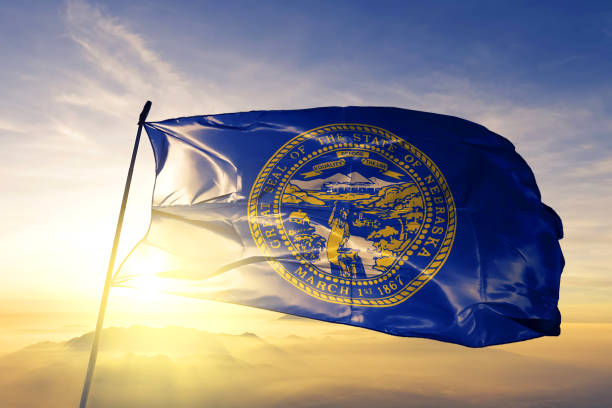
The Population Reference Bureau estimates that 1,549 women and girls in Nebraska are at-risk of undergoing FGM/C. Another study estimates that there are 1,562 girls and women have undergone FGM/C in the Omaha-Council Bluffs metro area alone, but hundreds more remain at risk throughout the state. This study suggests that pre-kindergarten aged girls, (below the ages of 4 or 5), are the most likely population to undergo this procedure, followed by elementary-aged girls (between the ages of 6-11), middle-school-aged girls (ages 11-13), and high-school-aged girls (ages 14-18), respectively.
State laws remain critical tools in ending FGM/C because:
- Federal crimes are prosecuted by the Assistant U.S. Attorneys and investigated by federal officers, such as FBI or DEA agents. State crimes are investigated by county sheriffs, state agents, or local police officers and are prosecuted by state district attorneys or city attorneys.
- In general, FGM/C cases are more likely to be investigated and prosecuted at the state level rather than the federal level.
- Specific state laws against FGM/C send a stronger message that the harmful practice is not acceptable in certain states.
- State laws implement provisions for community education and outreach in FGM/C-impacted communities
A lack of state legislation means survivors and those at-risk may not have adequate legal recourse or protection at the local level that they need.
Overall, not much is known about the existence of any advocacy groups or legislative attempts to address FGM/C in Nebraska. However, the longer a state law protecting girls from FGM/C is not implemented, the more girls remain at risk of undergoing this human rights abuse.
We welcome the day that Nebraska joins the 41 other states in the country that have sought to pass legislation and protect all children from this form of gender-based violence.
If anyone knows about efforts to address FGM/C in this state, please write to info@sahiyo.org.