By: Sean Saifa Wall
Between May 13th and 17th, Sahiyo, Equality Now, and The U.S. End FGM/C Network hosted a convening of FGM/C survivors, advocates, policy experts, and LGBTQIA+ allies at a retreat center in the Adirondack Mountains. Participants gathered to hold conversations centered on building shared understanding and strategic messaging around bodily autonomy, female genital mutilation/cutting (FGM/C), gender-affirming care, intersex movements, and harmful conflations in public discourse and policymaking. This reflection is part of a series of reflections from participants who attended the convening:
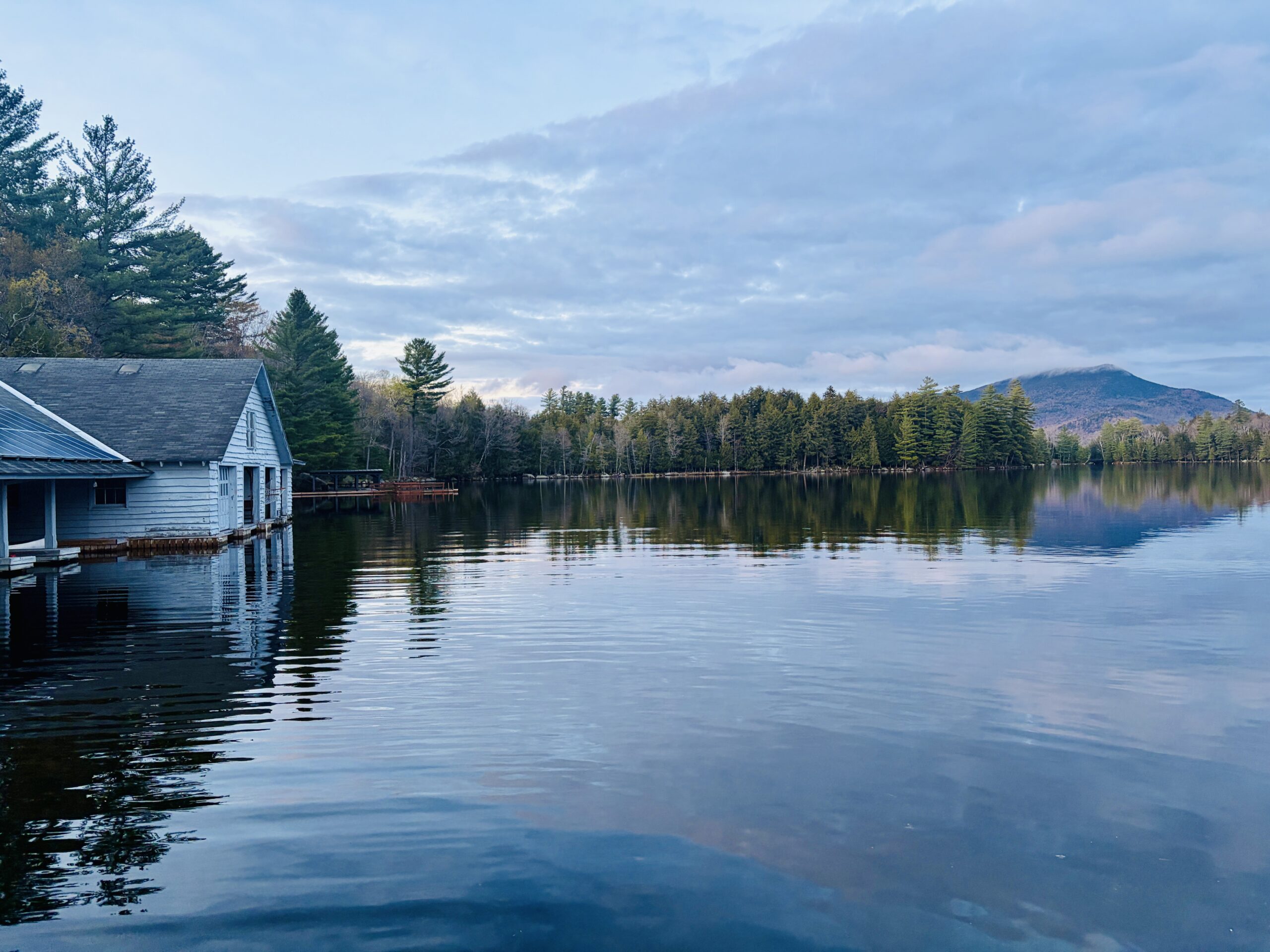
For four days and three nights, I was in deep conversation with female genital mutilation/cutting, (FGM/C), activists at a retreat center in upstate New York. Surrounded by beautiful mountains, a pristine lake, and the stillness of nature, Equality Now, Sahiyo, the End FGM/C Network and allies came together to discuss how the Trump administration and far-right architects have weaponized FGM/C laws to harm trans and intersex youth. As a collective, we said no to this conflation and used it as an opportunity to organize.
For the first time in my life, I shared space with people who are survivors of FGM/C who were also not intersex. Intersex is defined as sex traits, (which everyone has), such as hormones, genitals, chromosomes and reproductive organs that are considered atypical for male and female development by the medical establishment. Based on knowledge generated by Anne Fausto-Sterling, she concluded that intersex variations make up 1.7% of the human population which is a figure widely used today. The medical establishment, in their quest to invisibilize intersex traits would project a percentage that is far lower and exceedingly rare. However, the consensus is that there are at least 30 intersex variations. Not everyone who has an intersex variation identifies as intersex nor has every intersex person had medical intervention.
While the advocacy has been led by and has centered around survivors, there are many people who have yet to surface regarding their specific experiences with their bodies, surgery, relationships with families, and interactions with the medical establishment. There is no singular experience of being intersex. Furthermore, there is a growing community of people with polyendocrine metabolic ovarian syndrome, (PMOS formerly known as PCOS), who are also identifying as intersex. Given how many people who are assigned female at birth are impacted by PMOS, those numbers would dramatically increase the percentage of people with intersex variations.
As a public facing activist, I have wept when hearing the stories of people who are survivors of intersex genital surgeries. Imagine someone recounting numerous surgeries on their genitals as children. Days spent in the hospital. Loss of sensation in their genitals. Scars that spoke of pain, secrecy, and loss. When I started attending global meetings of intersex activists in 2013, you could feel the weight of trauma, PTSD and disassociation in the room. Because of unhealed trauma, some activists turned against each other to gain a shred of power and control. Since then, especially with the advent of social media and pop psychology, subsequent generations of activists have had more language, (which isn’t always a good thing), and more resources to name the impact of trauma and move toward connection and healing. Being at this retreat with FGM/C survivors was the first time that I shared a space with people who were not intersex but have experienced violations of their bodily integrity. While people may have had internal struggles, everyone showed up to the space open-hearted and curious. People took care of themselves but also looked out for one another. No one dominated the space. We shared the space, listened and offered supportive reflections.
The one thing that I came away with was that intersex genital surgeries and FGM/C are deeply ingrained cultural practices that serve to maintain social order. Specifically, when performed on children assigned female at birth, these practices maintain gender conformity in girls and reinforce patriarchy. These practices implicate parents, caretakers, and other family members. Although there are instances of FGM/C occurring in hospital settings, often these acts are done in community by family members or local practitioners. Intersex genital surgeries almost always occur in hospital settings where doctors are viewed as trusted practitioners who would do no harm because we as a society do not believe that doctors can be racist, misogynist, or sexual predators. In both intersex genital surgeries and FGM/C, there is a certain amount of trust deferred to family, community members, and practitioners to safeguard the wellbeing of the child. Once these forms of mutilation take place there is no follow up or care that centers the survivor.
As a person who survived castration, neither the surgeon nor the psychiatrists told me what happened to my body or why it happened. My castration occurred in 1992 and was sanctioned by the health insurance company and New York state while at the same time, trans surgeries were explicitly excluded from coverage. This contradiction has always existed: Deny trans people gender affirming care while imposing “gender normalizing” surgeries on intersex infants and children. My castration was shrouded in secrecy and misinformation while simultaneously reinforcing that I was a “girl” through therapy and hormones. Although my mother provided consent for the procedure, she was not informed of the long-term consequences such as early onset osteopenia and a lifelong dependence on exogenous hormones. Like FGM/C, the castration, female hormone replacement therapy, and consultation for genital surgery, (which I rejected), prepared me for one thing: living as a feminized cisgender woman engaging in vaginal/frontal sex with my cisgender, heterosexual male partner.
Attending this retreat was never an option. As bodily autonomy and reproductive freedoms are being attacked and criminalized, we all have a responsibility to not only speak up, but to show up with our brilliance, our hearts and our bodies. Our silence has never kept us safe. While I hope that other movements recognize the wisdom that trans, intersex and FGM/C activists have to offer, I also know that we cannot wait for them to acknowledge our fight. This was our attempt to take back the narrative and take care of each other. May this be an example of the work that we need to do to move us further along.
Watch the video below to learn more about this retreat!