By Harshita Dasot
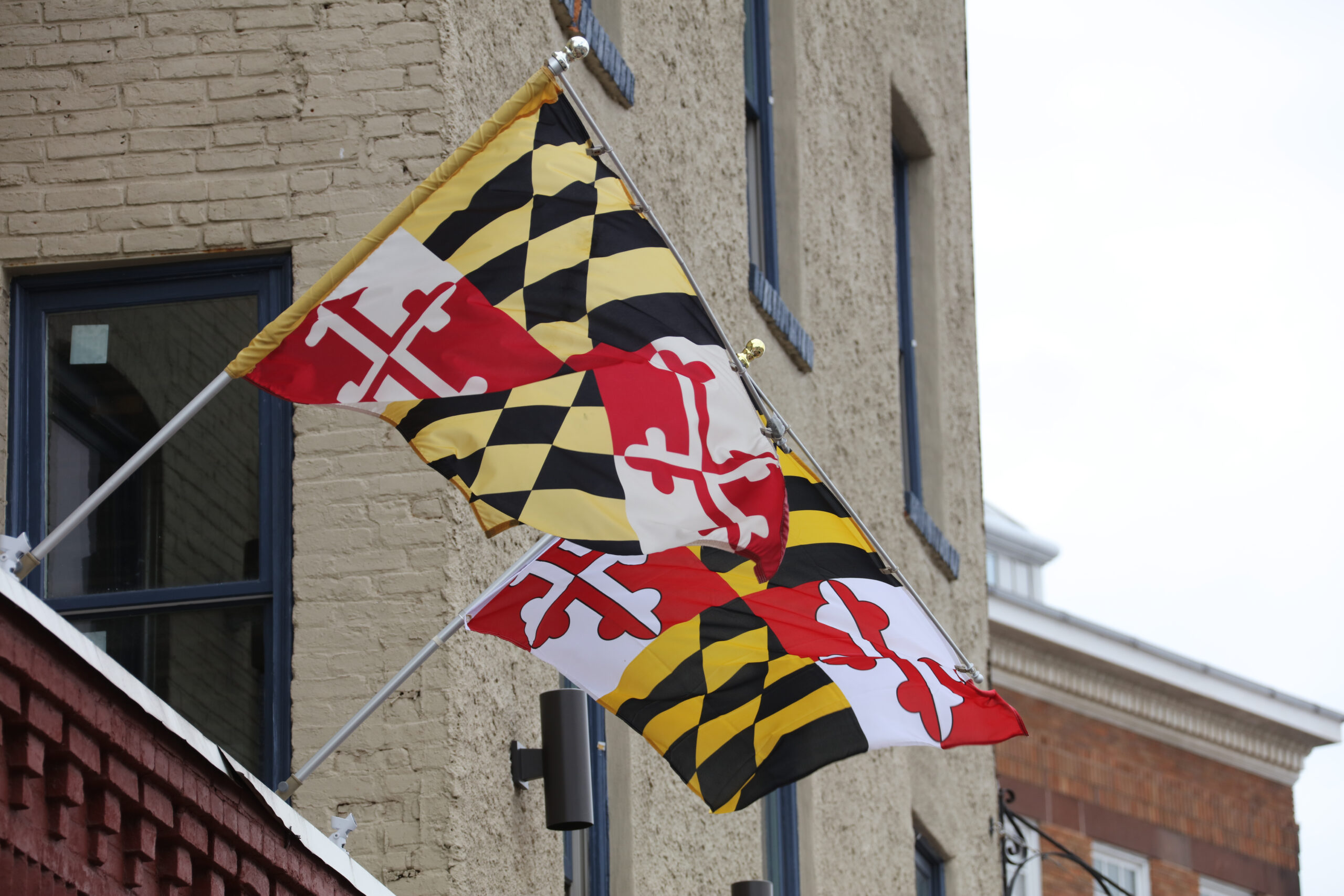
Maryland signed SB907/HB1389 into law on April 14, 2026, strengthening state protections against the human rights violation that is female genital mutilation/cutting (FGM/C). As someone who started as a Policy Intern with Sahiyo in April of this year, my first few days were an incredible introduction to how policy change actually happens.
FGM/C is widely recognized as a human rights violation and a form of gender-based violence, with serious physical and psychological impacts. While this issue is often discussed in an overseas context, it’s also an issue that affects communities within the United States. Maryland had previously criminalized FGM/C in 1998, but gaps remained in the legislation regarding how the law addressed prevention, enforcement, and survivor support.
This new legislation works to address those gaps in several key ways:
- It strengthens criminal penalties for performing or facilitating FGM/C, including felony charges of up to 10 years in prison and/or fines,
- and explicitly makes “vacation cutting,” or taking a minor out of state for the procedure, illegal.
- The bill also allows survivors to pursue civil legal action
- and extends the statute of limitations, giving survivors more time (up to age 28 or 10 years after the violation, whichever comes later) to seek legal action. This extension is especially important given that many survivors may not come forward regarding their FGM/C until later in life due to various circumstances.
The law also places a stronger emphasis on prevention by incorporating FGM/C into child abuse reporting frameworks, meaning that professionals like healthcare providers, educators, and social workers are required to report suspected cases of FGM/C. The bill also calls for increased training across social service sectors and directs the Maryland Department of Health to develop and distribute public awareness and educational materials in collaboration with community-based organizations.
The passing of this legislation is the result of a year of advocacy from the DMV Coalition to End FGM/C, which consists of survivors, community organizations, and coalition members who pushed for stronger protections. The law marks progress, but it also highlights that policy change doesn’t end with the passage of a bill. One thing that stood out to me in this process is how much of the conversation now is about what happens after a law is passed. In coalition discussions, there’s been a clear focus on ensuring implementation of the law now that it has passed, especially around community education and outreach. If people don’t know the law exists or don’t understand how to act on it, the impact of the legislation is significantly limited.
From a broader policy perspective, the current status of the Maryland law and its implementation in the state reflects something I’m interested in learning more about: how human rights issues that are often framed as “foreign” actually show up at the state and local levels. Seeing the progress of this law being passed and the next steps in real time has made this work to build protection against FGM/C feel a lot more concrete.
As someone new to this policy space and the movement to end FGM/C, working with Sahiyo has been a valuable way to begin understanding how much research, advocacy, and community engagement all come together in shaping policy.