By: Olivia Harris
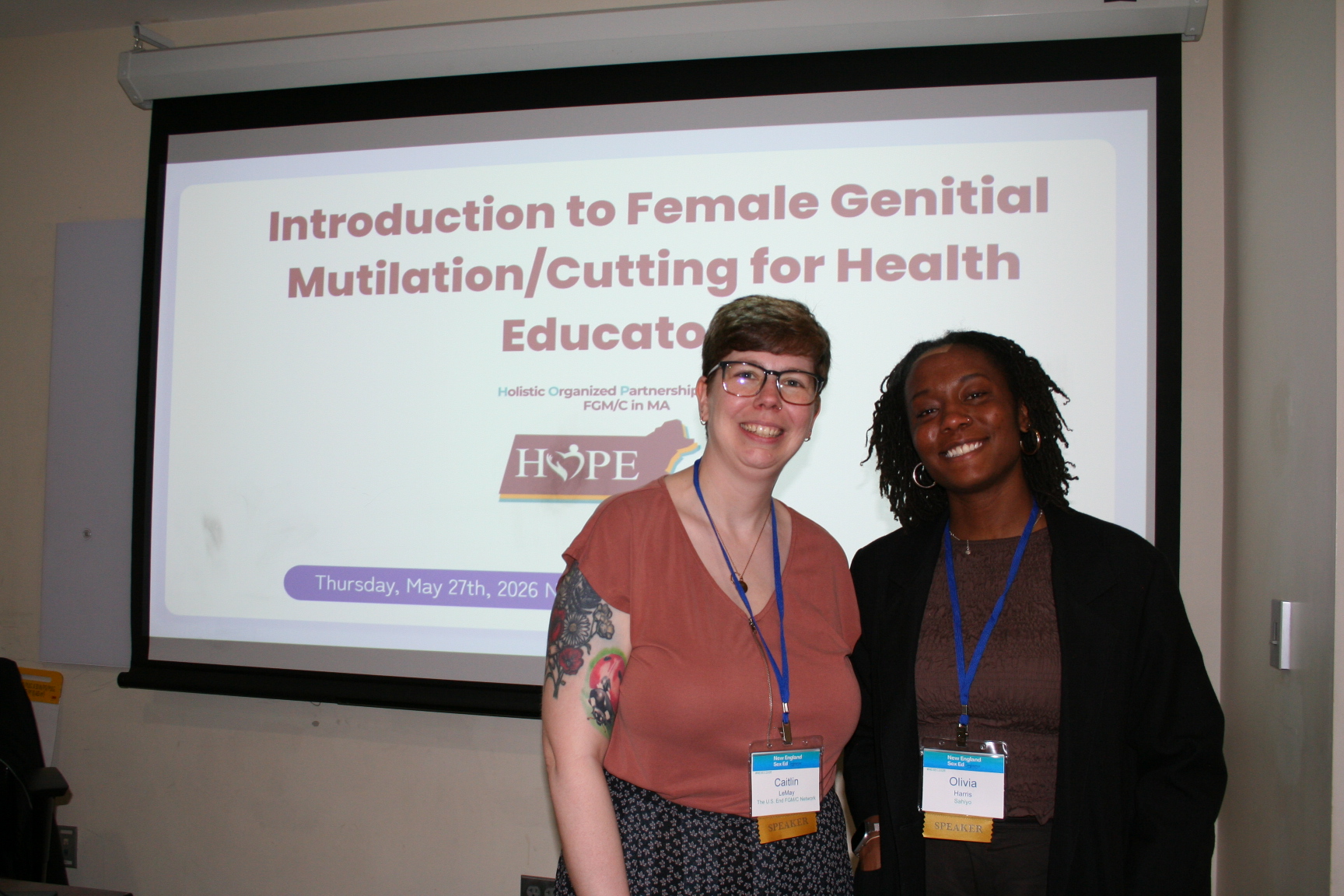
On May 27th, 2026, the HOPE MA team presented a workshop titled “Introduction to Female Genital Mutilation/Cutting (FGM/C) for Health Educators” at the New England Sex Education Conference (NESEC), a regional gathering bringing together health educators, school-based practitioners, and community-based advocates from across the region. The 60-minute workshop drew a diverse audience of participants from the region who worked in both community-based and school settings.
The introductory session explored the prevalence and impact of FGM/C both globally and in Massachusetts, the legal and cultural landscape, and strategies for addressing the issue in a trauma-informed, culturally responsive way. Despite FGM/C being deeply relevant to the health and bodily autonomy of women and girls, it remains largely excluded from sexual health education curricula. The participants in the session highlighted the need for more explicit instruction and conversations regarding these intersections in both the community health and sex ed spaces.
The majority of participants had no prior FGM/C training and noted that they were largely unaware of resources available to affected communities, reflecting just how much opportunity exists to build awareness in health education spaces. However, discussion within the group was rich with insightful reflections and questions from the educators, reflecting the natural alignments within educators to draw connections to larger themes of bodily autonomy, anatomy, and stigma with their existing health frameworks. At the conclusion of the session, the audience was polled, and the polling responses reflected meaningful gains in participants’ sense of preparedness to address FGM/C, with educators expressing interest in additional training, being given school-based presentations, and teachers receiving guidance on trauma-informed approaches for teaching their students about their anatomy and physical health. The session reinforced what Sahiyo and The U.S. End FGM/C Network continue to hear from educators and service providers across various sectors: there is genuine interest in bringing FGM/C into health education spaces, and what practitioners need the most is practical, non-stigmatizing support in order to have those necessary conversations with young people and community members about the harms and options of care for FGM/C.
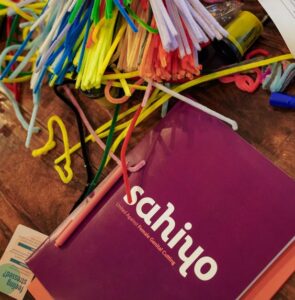
The conference itself offered a valuable broader context for the need for this work, with NESEC’s keynote speaker exploring emerging dynamics in online communities and supporting opportunities for organizations to table throughout the event in order to share resources, educational materials, and zines, as well as highlights from Boston Sex Week and tools for advocating for comprehensive sex education in local school contexts.