Between May 13th and 17th, Sahiyo, Equality Now, and The U.S. End FGM/C Network hosted a convening of FGM/C survivors, advocates, policy experts, and LGBTQIA+ allies at a retreat center in the Adirondack Mountains Participants gathered to hold conversations centered on building shared understanding and strategic messaging around bodily autonomy, female genital mutilation/cutting (FGM/C), gender-affirming care, intersex movements, and harmful conflations in public discourse and policymaking. This reflection is part of a series of reflections from participants who attended the convening:
By Dena Igusti
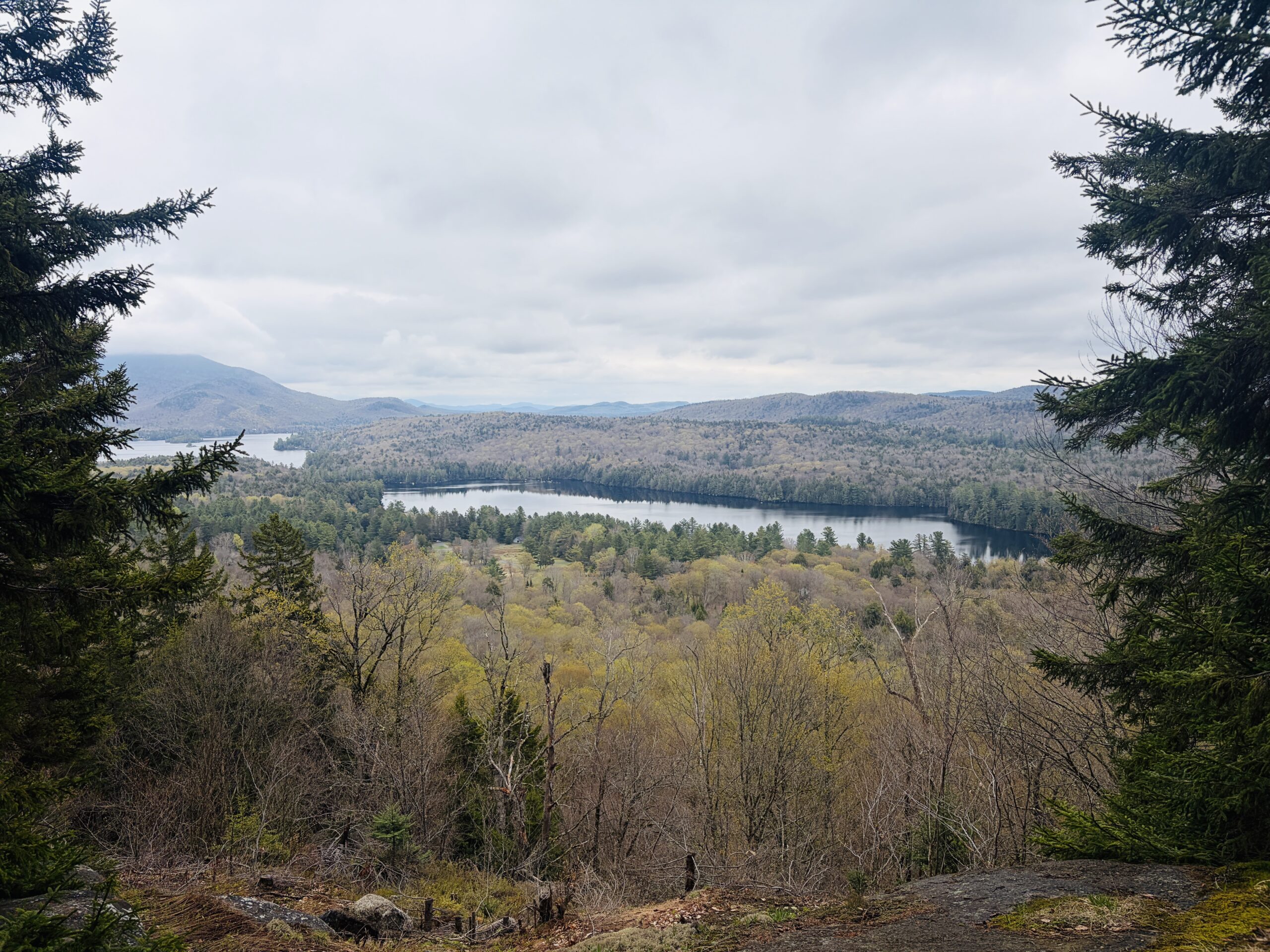
Last month, I had the honor of joining fellow survivors, advocates, and Trans/Gender Non-conforming and Intersex (TGNI) community members at a retreat in the Adirondacks to connect, reflect, and examine the importance of survivor solidarity and cross movements. Organized by Sahiyo, the End FGM/C U.S. Network, and Equality Now, we utilized the scenic lakeside mountain view and time out of our respective workplaces to examine the harmful narratives affecting FGM/C survivors and TGNI communities, and create room for shared learning, storytelling, and support.
As a gender non-conforming survivor and advocate, it has been hard over the past few years to be involved in advocacy without feeling some semblance of betrayal against myself and the communities I’m a part of. Despite our best efforts to translate difficult data into a neat number, there is a concrete statistic of over 230 million reported women, femmes, and girls surviving genital mutilation or cutting as of 2025. This statistic, along with additional data, survivor support services, and advocacy, fails to account for contemporary gender-diverse identities. Most forms of advocacy assume that all survivors are cis-gendered, cis-sexual, heteronormative women, leaving most queer and trans-inclusive survivors to choose between receiving survivor resources while abandoning their identity or not being able to receive survivor-centered support at all.
The United States and other governments are currently weaponizing existing female genital mutilation policies to deny gender affirming care. Queer and trans survivors often have little space to advocate for themselves without being at odds with their own identity. The lack of LGBTQIA+ representation in survivor spaces, identities, and conversations overlooks specific violences experienced by queer survivors. FGM/C has been, and continues to be, utilized as a means to control sexual orientation and gender expression across the globe. At this retreat, not only was I able to comfortably exist in all aspects of my identities, but I was also able to meet other survivors who have to navigate similar compromises, and resonate with organizers I have worked with over the years who have witnessed and/or supported the nuances in my survivorhood.
On the first day of the retreat, we discussed aspects of movement collaboration, what hasn’t worked, what could and continues to work. We admitted the ways our movements have hurt or neglected each other, including the transphobia in FGM/C movements at times, the dismissal of intersex mutilation in all forms of policy and litigation, and the undermining of how these legislative attitudes deny actual FGM/C survivors of resources and care. We discussed how, ultimately, healthcare has failed and harmed all of us. How in order to collaborate, we have to seek opportunities to showcase commonality instead of seeking perfect alignment in our approaches.
On the second day, we honed in on storytelling. We discussed the power and privileges that come with storytelling, mainly when stories are told from one perspective, how some voices are amplified more than others, and how gender marginalized folks impacted by harm are often pressured to sensationalize their stories and remove nuance in order to make awareness more palatable and viral.
When we watched my Voices story, I admitted the ways I was conditioned into sensationalizing my own story, how, looking back, I would never call myself a dead girl, but that was how I was often portrayed by the media in my early 20s. In small groups, we told narratives of our bodies and how we navigate agency within and around our bodies. I cried and held space for my colleagues as we allowed space for our own vulnerabilities and uncertainties, even in the advocacy spaces where we are expected to hold the title of being an “expert”.
On our third day, we built and developed strategies for healthcare, policy, parenthood, community, and more areas of life that are impacted by FGM/C. We discussed who and how we can incorporate more consultants, experts, allies, and advocates in our network. We unanimously agreed on the importance of child advocacy and agency, and discussed short and long-term strategies that we can use well after our retreat ended.
Between all of these sessions, we watched the sunsets together. We heard loon calls. I learned how to play Gambian Crazy 8s with Absa. We hiked on a 500ft steep hill that my city walking legs could barely handle, but it led to a gorgeous view over the lake as Mariya talked about her time as a writer and resident. I learned about everyone’s hometowns and thoughts on current pop culture trends over delicious lunches and dinners. We had postcard-writing circles as the WNBA played in the background. We kayaked, canoed, and let the current gently push our boats back to the docks as we talked about our day-to-day lives. Even with new and familiar friends, I felt completely seen beyond just what was done to me.
In a time where the Trump administration is continuing the right wing’s weaponization of FGM/C to deny gender-affirming care, now more than ever is the time to realize the ways we are all affected by not only these conflations, but the histories of administrations past and present, constantly dismissing our needs. Whether it is on a panel or a porch, we need to see one another, even in the mundane.
Watch the video below to learn more about the retreat!