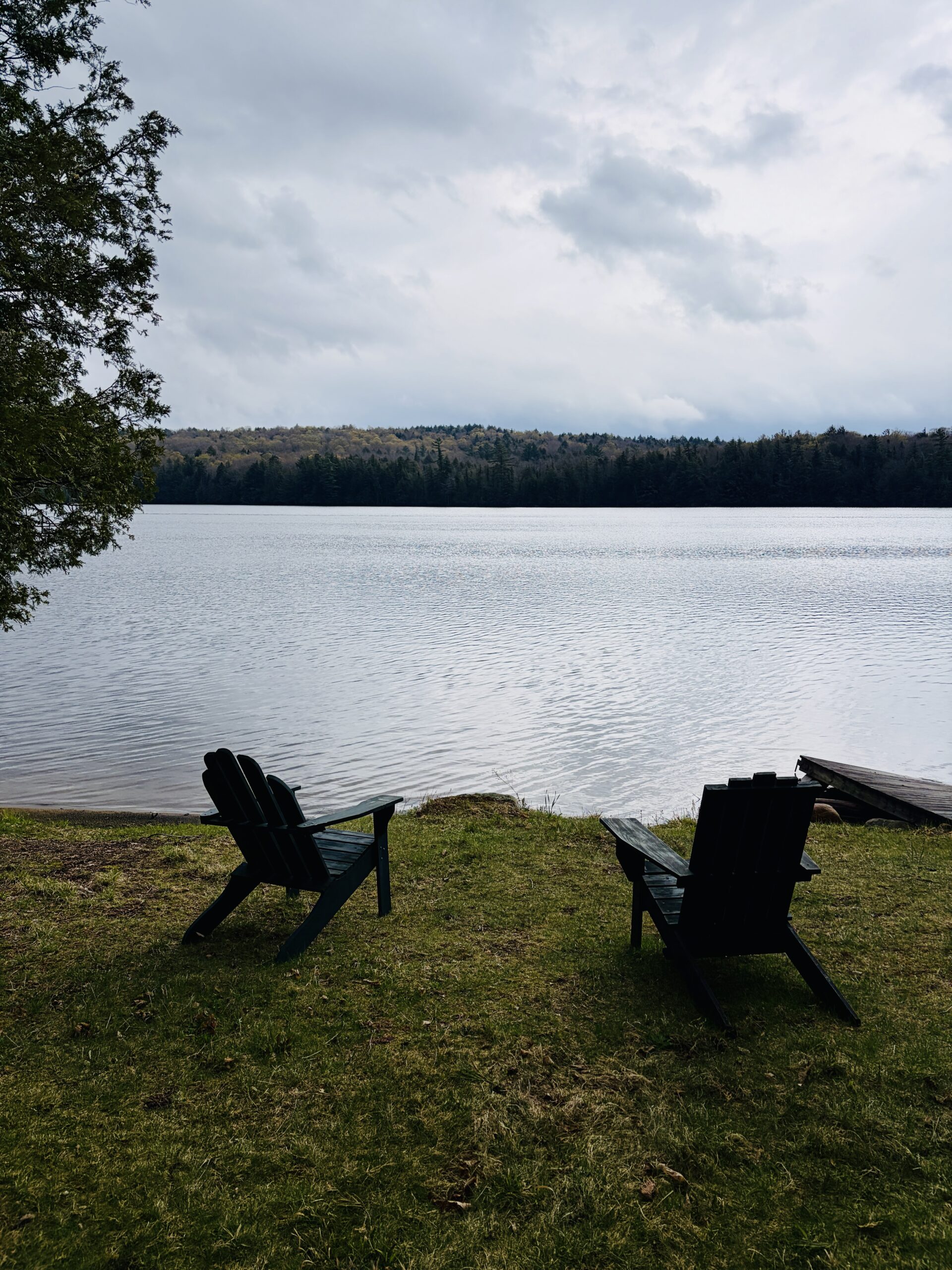
Between May 13th and 17th, Sahiyo, Equality Now, and The U.S. End FGM/C Network hosted a convening of FGM/C survivors, advocates, policy experts, and LGBTQIA+ allies at a retreat center in the Adirondack Mountains Participants gathered to hold conversations centered on building shared understanding and strategic messaging around bodily autonomy, female genital mutilation/cutting (FGM/C), gender-affirming care, intersex movements, and harmful conflations in public discourse and policymaking. This reflection is part of a series of reflections from participants who attended the convening:
By: Steven Muleme
There are moments when advocacy moves beyond strategy sessions, policy conversations, and organizational work, moments when it becomes deeply human again.
The retreat in the Adirondack Mountains was one of those moments for me.
As an African queer storyteller and human rights advocate, I arrived carrying many things with me: memories of displacement, years of community organizing, grief, hope, and the ongoing responsibility of telling stories that many systems would rather erase and keep quiet. I expected thoughtful conversations and collaborative learning from this retreat. What I did not expect was how deeply moved I would be by the power of shared vulnerability across movements, identities, and lived experiences.
Throughout the retreat, we spoke about bodily autonomy, gender justice, storytelling, healing, survival, and resistance. We explored the ways harmful systems attempt to control bodies, silence identities, and disconnect people from their own humanity. Yet within those conversations, I also witnessed something profoundly beautiful; people choosing honesty over performance, care over competition, and connection over isolation.
One of the most meaningful parts of the experience was recognizing how storytelling can become a bridge between movements that are too often discussed as separate issues. Listening to survivors, advocates, artists, and organizers share their experiences reminded me that while our realities may differ, the desire for dignity, safety, visibility, and belonging is what connects us.
As someone who works to center African queer narratives through theater, literature, and community engagement, I found myself reflecting on the importance of creating spaces where people are not reduced to statistics, headlines, or political debates. Stories allow us to encounter one another fully. They challenge stigma, complicate assumptions, preserve memory, and create possibilities for empathy that policy language and data sets cannot reach.
The retreat also reminded me that healing itself can be collective. In a world where many marginalized communities are constantly asked to justify their humanity, there was something quietly powerful about gathering in a space where people could simply exist, reflect, listen, and imagine together.
I left the retreat thinking deeply about the future of storytelling within movements for justice. I thought about oral histories, theater, poetry, community dialogue, and the responsibility we carry as storytellers to hold complexity with care. I thought about the importance of preserving stories not only of pain, but also of joy, resilience, imagination, and survival.
Most of all, I was reminded that solidarity is not built only through statements or campaigns. Sometimes it begins in much quieter ways, in listening, in witnessing, and in recognizing pieces of ourselves within each other’s stories.
Watch the video below to learn more about the retreat!