By: Nuzhat Zaman
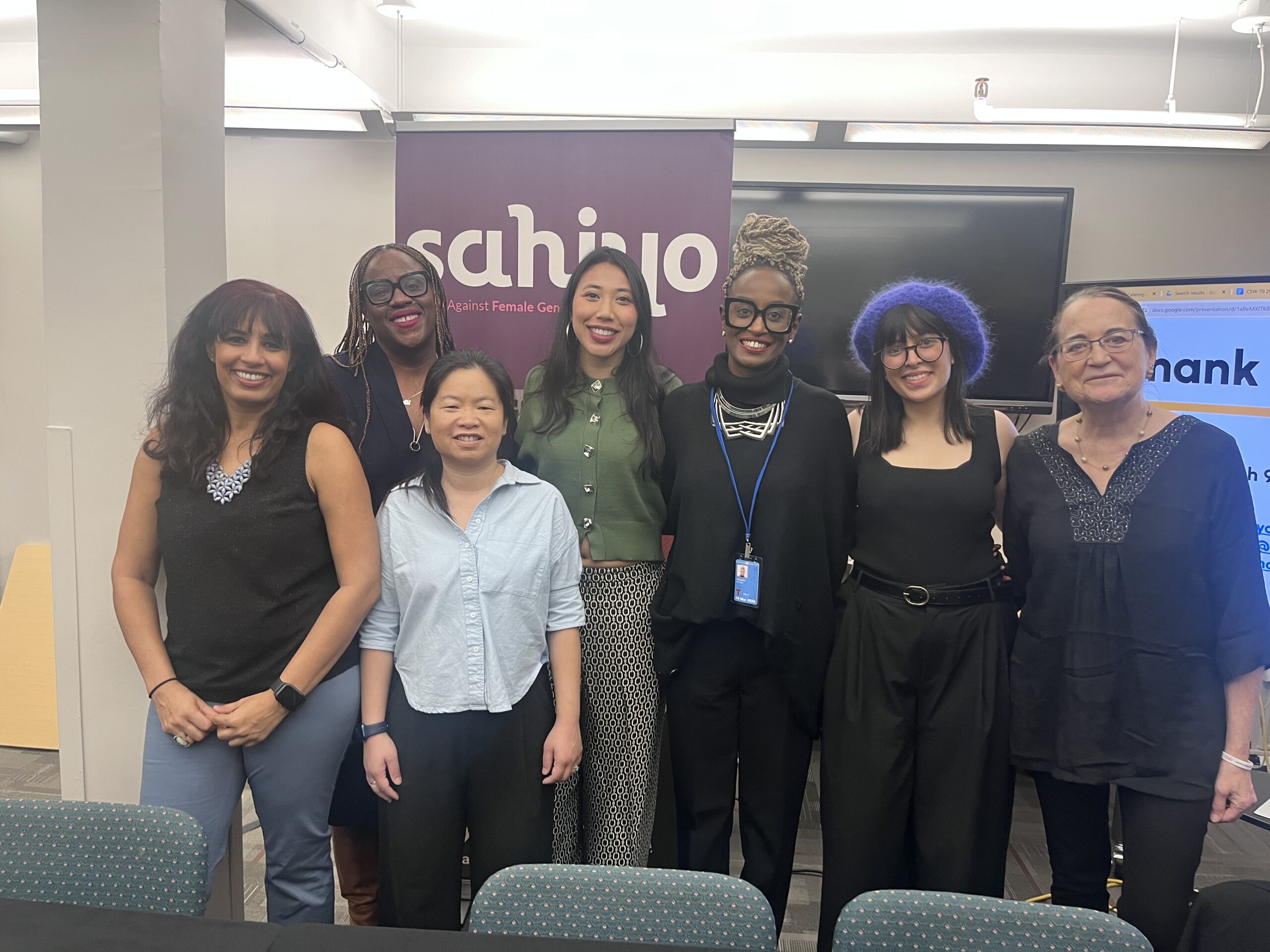
This March, Sahiyo participated in the 70th Session of the UN Commission on the Status of Women (CSW70) in New York City, bringing critical survivor-led perspectives to global conversations on FGM/C, gender-based violence, and bodily autonomy.
At CSW70, Sahiyo led and contributed to a series of events that deepened these conversations and challenged dominant narratives within the movement. On March 9, Sahiyo hosted Dismantling Racism in Anti-FGM/C Movements: Path to Decolonial, Survivor-Led Advocacy. This powerful parallel event created space for honest dialogue on how anti-Blackness, racial hierarchies, and harmful “severity” framings continue to shape and challenge the movement. Grounded in Sahiyo’s Critical Intersections Research Project and insights from a 2025 global survivor convening, the session featured a moving survivor-advocate fireside conversation followed by small-group discussions focused on advancing more equitable, survivor-centered approaches.
Later that day, Sahiyo co-hosted Resisting the Conflation of FGM/C with Gender-Affirming Care alongside partners. This timely panel unpacked the increasing conflation of these issues in policy and public discourse, highlighting key human rights, legal, and medical distinctions. Speakers emphasized the broader risks such narratives pose to women, girls, and LGBTQI+ communities globally.
On March 11, Sahiyo partnered with The Girl Generation and The Global Platform for Action to End FGM/C to convene an evening gathering of advocates, donors, legal professionals, and movement leaders. During the event, Sahiyo officially launched its Dismantling Racism in Anti-FGM/C Movements: Path to Decolonial, Survivor-Led Advocacy: Position Paper developed following a December 2025 global survivor-expert convening. The paper examines how racism, anti-Blackness, and power inequities shape the global movement and offers a practical framework to strengthen survivor-led, grassroots leadership while advancing more equitable systems of decision-making and resource distribution.
Across all events, a shared message emerged: Representation is not enough. Advisory roles are not enough. True decolonial practice requires redistribution of power, transparent accountability, and resourcing survivor leadership structurally, not symbolically. Racism within anti-FGM/C movements is not incidental. It is systemic. Until it is dismantled, our work remains incomplete. Ending FGM/C requires dismantling the racial hierarchies embedded in advocacy, funding, and institutions.